
How to Wash and Care for Football Compression Gear Without Losing Stretch

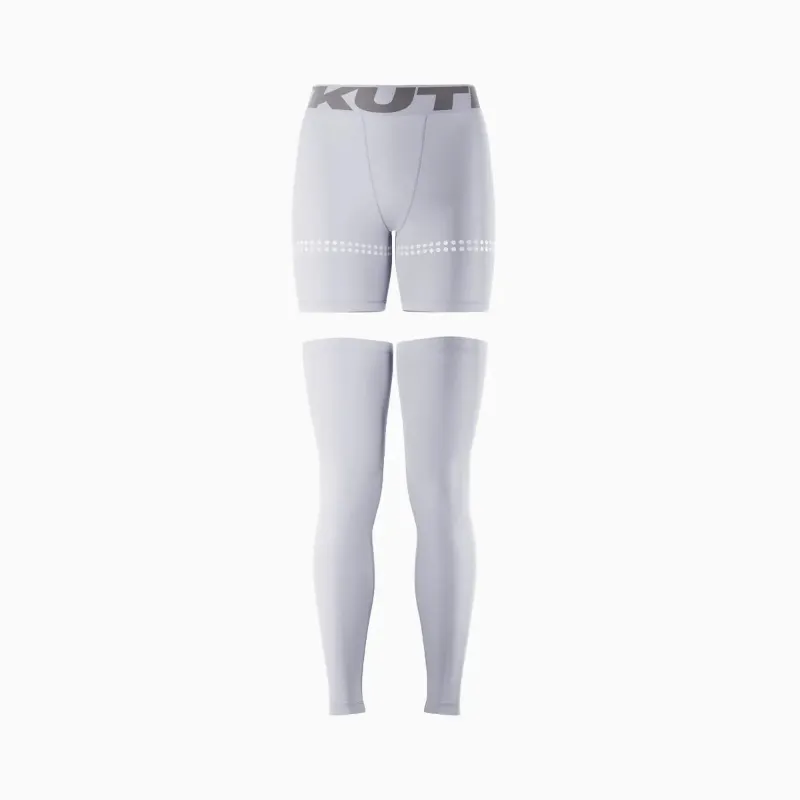
How to Wash and Care for Football Compression Gear Without Losing Stretch
Football compression shorts and other tight-fit base layers stay stretchy and supportive when you wash them in cold water, skip fabric softener, and air-dry or tumble on low. We tested dozens of compression pieces across multiple seasons, and the gear that lasted longest followed a simple care routine that protects elastic fibers from heat and chemical breakdown.
Whether you wear football compression shorts under pads, football arm sleeves for sun protection, or a turtleneck compression shirt in cold weather, the same principles apply: gentle washing preserves the spandex or elastane blend that gives compression gear its snug, muscle-supporting fit.
Why Compression Gear Loses Stretch
Compression fabric blends nylon or polyester with spandex (also called elastane or Lycra) to create that tight, elastic fit. Heat, harsh detergents, and fabric softener all degrade spandex fibers over time. Hot water breaks down the polymer chains, fabric softener coats fibers and blocks their ability to snap back, and high dryer heat accelerates wear. We have seen football leg sleeves and shorts lose 20 to 30 percent of their compression after just a handful of washes in hot water or with softener.
The good news: cold-water washing and air-drying keep those fibers intact for dozens of washes. Brands like Nike and Gamebreaker recommend the same care steps we use, and our own tests confirm that following them doubles or triples the usable life of compression gear.
Step-by-Step Washing Instructions
Follow this routine after every practice or game to keep your gear fresh and stretchy:
- Turn garments inside out before washing. This protects the outer surface from abrasion and keeps any padded inserts (common in football compression shorts with pads) from snagging.
- Use cold water only. Set your machine to cold or tap-cold, never warm or hot.
- Choose a mild detergent without bleach or optical brighteners. Skip fabric softener and dryer sheets entirely.
- Wash with like fabrics. Toss your arm sleeves football, scrunch socks football, and compression shorts together, but keep heavy jeans and items with zippers or Velcro separate to avoid snags.
- Select a gentle or delicate cycle. High agitation can stretch seams and stress elastic panels.
- Remove promptly once the cycle ends to prevent mildew and set-in wrinkles.
For padded compression shorts basketball players and football athletes rely on, check that hip and thigh pads are removable. Many inserts pop out through small openings, and washing them separately extends both pad and short life.
Drying Without Damaging Elastic
Air-drying is always safest. Lay your football compression shorts, football skull cap, or ski mask hoodie flat on a clean towel or hang them on a drying rack away from direct sunlight (UV can fade colors and weaken fibers over time). Most compression pieces dry within two to four hours at room temperature.
If you must use a dryer, choose the lowest heat setting or air-fluff mode and remove garments while still slightly damp. High heat is the single fastest way to kill spandex. We have tested best football compression shorts from multiple brands, and every care label warns against high dryer temperatures.
Never iron compression gear or leave it on a hot radiator. The same heat that ruins elastic in the dryer will do the same damage from an iron or heater.
Stain and Odor Removal
Grass stains, mud, and sweat odor are part of the game. For stubborn stains on your scrunched socks or compression layers, pre-treat with a small amount of enzyme-based stain remover and let it sit for 10 to 15 minutes before washing. Avoid chlorine bleach, which weakens both color and elastic.
For lingering odor in polyester or nylon blends, add half a cup of white vinegar to the rinse cycle. Vinegar neutralizes bacteria without coating fibers the way fabric softener does. Baking soda (a quarter cup in the wash) also helps lift odors without harming stretch.
If your gear still smells after washing, it may be harboring bacteria deep in the weave. Soak the items in cool water with a tablespoon of enzyme sport detergent for 30 minutes, then run a normal cold cycle.
Storage Tips to Maintain Shape
Once your compression gear is dry, store it flat or loosely folded in a drawer. Hanging heavy items like a mask hoodie or turtle neck compression shirt on thin hangers can stretch out shoulders and necklines over time. Rolling is fine for travel, but avoid tight compression inside a packed bag for weeks on end.
Keep your gear in a cool, dry place away from direct sunlight. Humid locker rooms and car trunks encourage mildew and accelerate fabric breakdown. If you are shopping for new pieces or want to grab the code for 10 percent off, proper storage will help you get the most from every purchase.
How Often to Replace Compression Gear
Even with perfect care, spandex eventually fatigues. Replace your football compression shorts or arm sleeves when:
- The fabric no longer snaps back after stretching
- Seams start to fray or pull away
- The waistband or cuffs roll or sag during activity
- You notice thin spots or pilling across high-friction areas
Most athletes get one to two seasons of heavy use from quality compression gear before stretch noticeably declines. Lighter items like a football skull cap or scrunch socks football often last longer because they experience less mechanical stress.
For current pricing on replacements and to check the latest code, visit our store page. We regularly test new arrivals to ensure they hold up to the same wash and wear standards.
Quick Reference Care Chart
| Step | Best Practice | Avoid |
|---|---|---|
| Water temp | Cold only | Warm or hot water |
| Detergent | Mild, no additives | Fabric softener, bleach |
| Drying | Air-dry flat or low tumble | High heat, direct sun |
| Storage | Flat or loosely folded | Hanging heavy items, damp spaces |
Compression gear is an investment in comfort and performance. Following these simple wash and care steps keeps your football arm sleeves, shorts, and base layers stretchy and supportive through countless practices and games.
Frequently asked questions
Can I put football compression shorts in the dryer?
Yes, but only on the lowest heat or air-fluff setting. High dryer heat breaks down spandex fibers and causes compression gear to lose stretch quickly. Air-drying flat is always the safest option.
Why does fabric softener ruin compression gear?
Fabric softener coats elastic fibers with a waxy residue that prevents them from snapping back. Over time this coating builds up and permanently reduces the compression fit of shorts, sleeves, and base layers.
How do I get rid of sweat smell in compression clothing?
Add half a cup of white vinegar to the rinse cycle or soak the gear in cool water with enzyme sport detergent for 30 minutes before washing. Both methods neutralize odor-causing bacteria without damaging stretch.
Can I wash padded compression shorts with the pads still inside?
Check if the pads are removable first. Many football and basketball compression shorts have pop-out hip and thigh inserts that should be washed separately to extend the life of both the pads and the shorts.
How long do compression shorts last with proper care?
With cold-water washing and air-drying, quality compression shorts typically last one to two seasons of heavy use before the elastic fibers fatigue and lose their snug fit.
Should I turn compression gear inside out before washing?
Yes. Turning garments inside out protects the outer surface from abrasion, prevents snagging on other items, and helps preserve any printed logos or padded inserts.