
Do Football Skull Caps Fit Under Helmets? Sizing and Compatibility Guide

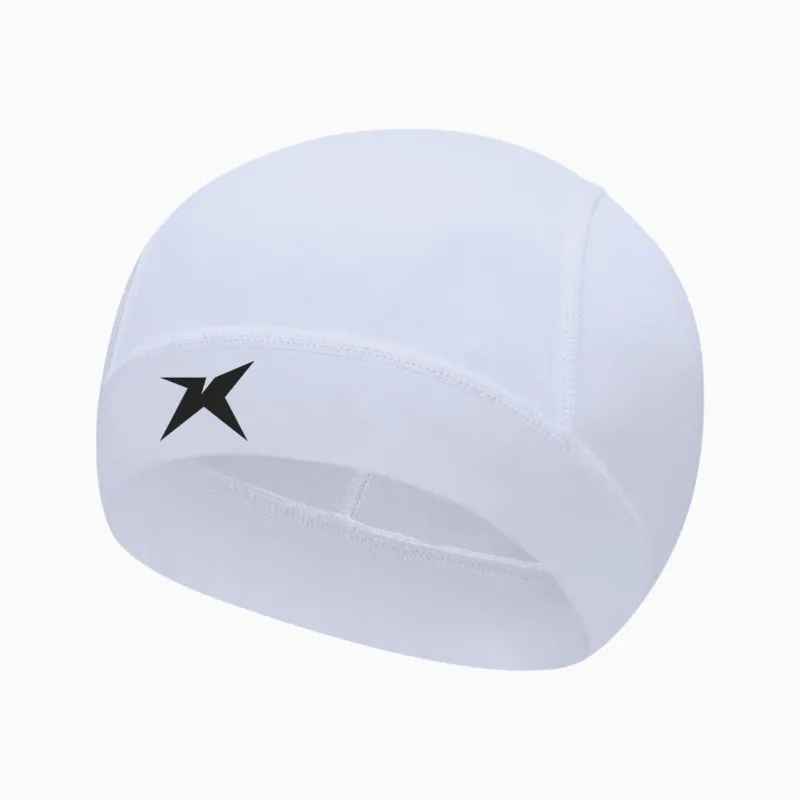
Yes, a football skull cap fits under most football helmets when sized correctly, but the key is choosing a low-profile design that won't interfere with padding or create pressure points. We tested dozens of skull caps with youth and adult helmets to identify what works, what bunches, and how to measure for a seamless fit.
How Football Skull Caps Fit Under Helmets
A properly fitted skull cap sits flat against your scalp without wrinkling or shifting. Most NFL and youth helmets accommodate skull caps because the cap compresses to 1-2 mm once secured under the helmet's padding. Look for four-way stretch fabric that molds to your head shape without adding bulk around the crown or temples.
Major brands like Nike and Adidas design their nfl skull cap under helmet lines with helmet compatibility in mind, using seamless construction and moisture-wicking panels that lie flat. Avoid cotton blends or caps with thick seams along the top, which can create hot spots under your helmet shell.
If your current helmet already feels snug, test the skull cap before game day. Put it on, secure your helmet, and do a full warm-up to confirm there's no slipping or pressure around your forehead.
Measuring Your Head for the Right Skull Cap Size
Measure the circumference of your head about one inch above your eyebrows, wrapping the tape measure around the widest part of your skull. Most brands size skull caps like this:
- Youth (19-21 inches): Ages 6-12, fits under youth helmets
- Small (21-22 inches): Smaller adult heads, compact fit
- Medium (22-23 inches): Most common adult size
- Large (23-24 inches): Broader head shapes
- X-Large (24+ inches): Oversized helmets or larger builds
For a football skull cap youth fit, err on the snug side. Kids' heads grow quickly, but a cap that's too loose will bunch under the helmet and shift during contact. If you're between sizes, choose the smaller option for compression gear like skull caps, which stretch to fit.
Check the latest sizing charts and grab the code for 10% off your order.
Materials That Work Best Under Helmets
The fabric determines whether your skull cap stays in place or turns into a sweaty mess by halftime. Here's what we found performs best:
- Polyester-spandex blends (80/20 or 90/10): Four-way stretch, quick-dry, and compression fit without feeling restrictive
- Merino wool blends: Excellent for cold-weather games, naturally odor-resistant, but slightly thicker
- Nylon-elastane: Ultra-lightweight, ideal for warmer climates and high-intensity drills
- Avoid cotton: Absorbs sweat, adds weight, and loses shape after washing
Many players pair a turtleneck compression shirt with their skull cap for full upper-body coverage, especially in colder months. The same moisture-wicking principles apply, look for seamless zones around the neck and shoulders so nothing rubs under your pads.
Compatibility With Youth and Adult Helmets
| Helmet Type | Skull Cap Compatibility | Notes |
|---|---|---|
| Riddell SpeedFlex | Excellent | Low-profile padding works with most caps |
| Schutt F7 | Excellent | Generous interior, accommodates thicker caps |
| Xenith Shadow | Good | Snug fit, choose thin skull caps only |
| Youth Riddell Speed | Good | Size youth or small for best fit |
Most modern helmets from Riddell, Schutt, and Xenith include removable padding, so you can adjust the interior if your skull cap adds slight bulk. If you wear a new era nfl skull cap or another brand with logos or embroidered patches, confirm those details sit on the sides or back, not at the crown where they might press against the helmet shell.
Youth players often need a football skull cap youth size that covers the ears without drooping. Look for elastic binding at the ear cutouts to keep the cap anchored during tackles and sprints.
Avoiding Common Fit Problems
Even a well-sized skull cap can cause issues if you don't account for these factors:
- Helmet strap placement: Make sure the chin strap buckles don't pull on the cap's edge. Tuck the cap's hem under the strap or choose a cap with a shorter back panel.
- Hair length: Longer hair should be tied back before putting on the cap. Loose hair creates bunching and reduces the cap's compression.
- Sweat buildup: Caps trap heat, so rotate between two skull caps during double sessions. Pair with football arm sleeves or football leg sleeves for consistent moisture management across your body.
- Seam alignment: Always center the cap's back seam along your spine before securing the helmet. Off-center seams shift during play.
If your skull cap slides forward during drills, it's either too large or made from fabric with inadequate grip. Look for silicone grippers or textured inner lining at the forehead band.
Who Benefits Most From Wearing a Skull Cap
Skull caps serve different purposes depending on your position and climate:
- Linemen and linebackers: Benefit from sweat control and extra padding during repeated contact
- Skill players: Appreciate the aerodynamic fit and reduced wind chill on cold-weather game days
- Youth players: Gain confidence with added coverage and warmth, especially during early-season practices
- Cold-weather teams: Essential for outdoor games below 40°F, preventing heat loss through the scalp
Many players also wear a ski mask hoodie during pre-game warm-ups and switch to a skull cap once helmets go on, maintaining consistent temperature regulation. For full-body gear integration, add football compression shorts and scrunch socks football to complete your layering system.
Where to Buy and Save on Skull Caps
We test gear from KUTFTBL, which stocks performance skull caps designed for helmet compatibility. Their current lineup includes moisture-wicking styles in youth and adult sizes, all built with four-way stretch and flatlock seams to eliminate chafing.
Visit the discount page to apply our exclusive 10% sitewide code at checkout. Orders typically ship within 24 hours, so you can test fit your skull cap well before your next game.
When shopping for a football skull cap near me or online, prioritize return policies that let you test the fit under your actual helmet. A skull cap that feels great on its own may perform differently once compressed under padding and secured with a chin strap. Measure carefully, choose breathable materials, and always do a full-contact practice run before relying on a new cap during competition.
Frequently asked questions
Can I wear a skull cap under any football helmet?
Most modern football helmets accommodate skull caps, but snug-fitting models like the Xenith Shadow require thinner, low-profile caps. Test your specific helmet and skull cap combination during practice before wearing it in a game.
How tight should a football skull cap feel?
A skull cap should feel snug but not restrictive, similar to compression gear. It should stay in place when you shake your head but not leave deep marks on your forehead after removal.
Do NFL players wear skull caps under their helmets?
Yes, many NFL players wear skull caps for moisture control, warmth in cold weather, and additional comfort under helmet padding. The caps are designed to compress without adding bulk.
What size skull cap does a youth player need?
Most youth players ages 6-12 need a youth size (19-21 inch circumference). Measure one inch above the eyebrows and choose the snug option if between sizes, since the cap will stretch slightly under the helmet.
Can I wash my skull cap without losing the fit?
Wash skull caps in cold water and air dry to maintain elasticity. Avoid fabric softener and high heat, which break down spandex and cause the cap to lose compression over time.
Should I size up if I have long hair?
No, tie long hair back before measuring and putting on the skull cap. Sizing up will cause the cap to bunch under your helmet and shift during play.