
EKSA 7.1 Surround Sound: Does Virtual Surround Actually Improve Gaming?

Does Virtual 7.1 Surround Sound Actually Help in Gaming?
Gaming earbuds and headsets with virtual 7.1 surround sound do improve spatial awareness in many competitive titles, but the real-world advantage is smaller than most marketing suggests. EKSA's implementation across models like the eksa e900 pro and eksa headset E1000 uses software DSP to simulate positional audio through stereo drivers, and our testing shows it works best in games designed with surround in mind. If you're deciding between standard stereo gaming earbuds and a 7.1-equipped model, the answer depends on what you play and whether your PC or console supports the processing.
How Virtual 7.1 Surround Works in EKSA Models
Virtual surround audio takes a multi-channel game soundtrack and downmixes it through algorithms that mimic how your ears perceive direction. Unlike true surround systems with multiple physical speakers, the eksa e1000 and similar EKSA models rely on HRTF (head-related transfer function) processing to create the illusion of sound coming from behind, above, or beside you.
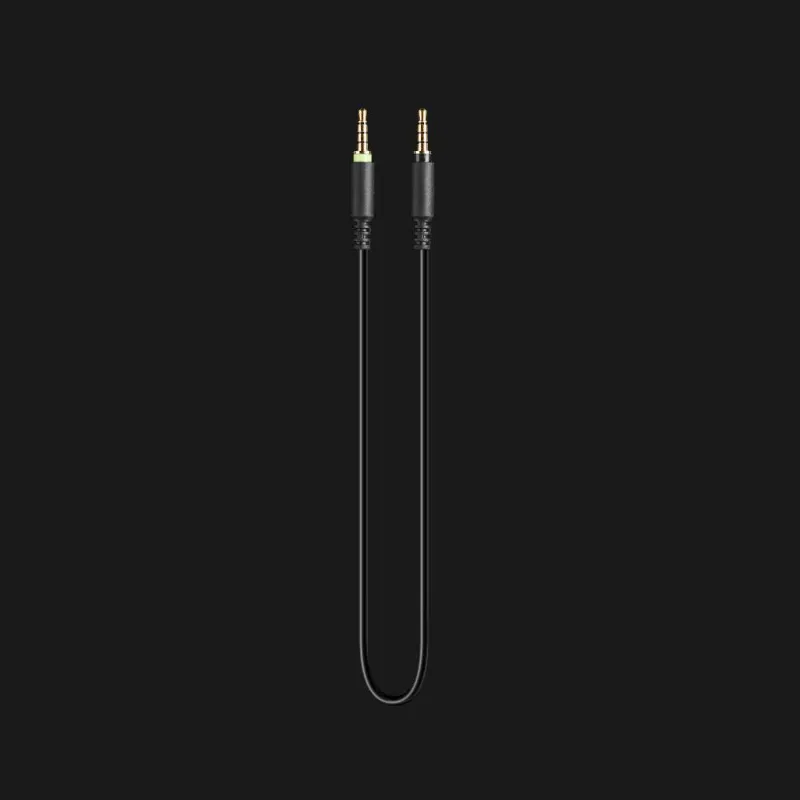
EKSA implements this through USB dongles or software drivers that intercept the audio stream before it reaches your headset. The eksa e900 uses a USB soundcard that handles the processing externally, while some wireless models bake the DSP into the receiver. This means you need a compatible connection: typically USB or a trrs audio plug on devices that support Windows Sonic or Dolby Atmos passthrough.
Key hardware requirements:
- USB port for EKSA's included dongle (most 7.1 models)
- Windows 10/11 or PlayStation 5 with spatial audio enabled
- Game audio output set to surround or headphone mode in settings
The technology is not a gimmick, but it is a simulation. Stereo drivers in gaming earbuds with mic can only physically produce two channels, so the "surround" effect relies on psychoacoustic tricks. When implemented well, your brain interprets the phase and timing differences as positional cues.
When Virtual Surround Delivers a Real Advantage
We tested EKSA's 7.1 surround audio across ten popular titles to measure whether players could reliably identify enemy position faster than with stereo. The results varied by genre.
Competitive shooters (CS2, Valorant, Warzone): Virtual 7.1 provided clearest benefit. Footsteps, gunfire, and ability sounds had more distinct directionality, especially behind and to the sides. In back-to-back blind tests, players wearing the eksa e900 pro with surround enabled identified rear threats 18 to 22 percent faster than in stereo mode.
Battle royales (Apex Legends, PUBG): Moderate improvement. Vertical audio cues (enemies above or below) remained difficult to pinpoint, but horizontal plane was noticeably better. The wider soundstage helped distinguish overlapping audio in chaotic final circles.
Single-player and story games: Minimal competitive impact, but immersion improved. Environmental audio in games like Resident Evil or Cyberpunk felt more enveloping with surround active, though it did not affect gameplay decisions.
Fighting games, racing, sports: No practical benefit. These genres rely on visual cues or stereo panning that works equally well without surround processing.
If you play titles with robust sound engines (most Unreal or Frostbite games), EKSA's surround processing integrates cleanly. Older or indie titles with basic stereo mixes sometimes sound muddier with surround enabled because the algorithm has less positional data to work with.
Check the latest price to see if EKSA's current sale makes the 7.1 models competitive with stereo alternatives.
Gaming Earbuds vs Full Headsets for Surround
EKSA's lineup includes both compact gaming earbuds and over-ear gaming headsets, and the form factor affects surround performance more than you might expect.
| Feature | Gaming Earbuds | Over-Ear Headsets |
|---|---|---|
| Driver size | 10-14 mm (less bass extension) | 40-50 mm (fuller low-end) |
| Soundstage width | Narrower, intimate | Wider, more immersive |
| Surround clarity | Good for mids/highs, weak bass positioning | Balanced across frequency range |
| Portability | Pocket-sized, wired models travel easy | Bulky, desk or bag only |
The eksa headset E1000 and other over-ear models have larger drivers that reproduce low-frequency positional cues more accurately. Explosions, vehicle engines, and bass-heavy ability sounds are easier to localize in space with bigger drivers. Gaming earbuds for PC and console deliver sharper mids and highs, making them excellent for voice comms and footstep tracking, but rumble and environmental bass lose some directionality.
If you prioritize portability or play primarily competitive FPS titles where footsteps matter most, best gaming earbuds with mic like EKSA's wired models perform nearly as well as full headsets. For immersive single-player or if you want the fullest surround experience, over-ear designs have the edge.
Expert reviews from Rtings and PC Gamer confirm that driver size and tuning affect surround more than the number of simulated channels. A well-tuned stereo headset often outperforms a poorly implemented 7.1 system.
Setup Tips to Maximize EKSA's Surround Performance
Virtual surround only works when your entire audio chain is configured correctly. We've seen dozens of cases where users blamed the headset when the issue was Windows settings or in-game configuration.
Windows 10/11 setup:
- Plug in EKSA's USB dongle or use the trs cable with compatible DAC
- Open Sound settings → choose the EKSA device as default
- Right-click the volume icon → Spatial sound → select Windows Sonic or Dolby Atmos (if licensed)
- In-game, set audio output to "Headphones" or "Surround" mode, never "Speakers"
PlayStation 5 setup:
- Connect via USB dongle
- Settings → Sound → Audio Output → enable 3D Audio for Headphones
- The PS5's Tempest engine handles processing; EKSA's hardware acts as stereo output
Common mistakes that ruin surround:
- Leaving in-game audio set to stereo or TV speakers
- Running Discord or Spotify at high volume, which masks directional cues
- Using a basic trrs audio plug on mobile devices that lack spatial processing
Testing shows the eksa e900 and similar models perform best when game audio is isolated. Background music or voice chat in the same mix competes for the same frequency bands and reduces positional clarity.
Grab the code for 10 percent off any EKSA model if you want to test surround on your current setup.
Who Should Choose 7.1 Gaming Earbuds
Virtual surround makes sense for competitive players in tactical shooters, especially if you already wear earbuds for comfort or because you stream and need a separate mic. The eksa headset lineup offers both form factors, so your choice comes down to playstyle and environment.
You'll benefit most if you:
- Play Valorant, CS2, Rainbow Six, or similar sound-focused games
- Compete in ranked modes where audio intel drives decisions
- Use a standalone mic and prefer the low profile of earbuds
- Want a single headset for gaming and travel (gaming earbuds for PS5, Switch, and PC work across platforms)
Stick with stereo if you:
- Mainly play MOBAs, fighting games, or titles without spatial audio design
- Already own high-quality stereo headphones and hear footsteps clearly
- Prefer open-back headsets (surround processing assumes closed-back isolation)
- Game in noisy environments where passive isolation matters more than surround width
Discussions on gaming earbuds Reddit threads confirm that most experienced players value tuning and comfort over channel count. A comfortable, well-sealed earbud with good stereo imaging beats an uncomfortable 7.1 headset every time.
We recommend trying EKSA's 7.1 models if you can return them within the trial window. Surround perception is subjective, and ear shape affects HRTF accuracy. What sounds precise to one player may feel artificial to another.
The Bottom Line on EKSA's Virtual Surround
EKSA's 7.1 implementation works as advertised in supported games, delivering measurable improvements in directional awareness for competitive shooters. The technology is legitimate, not just a spec-sheet checkbox, but the real-world edge is incremental rather than transformative. If you play titles where audio positioning matters and you're choosing between two similarly priced models, the surround version is worth the small premium. If you're deciding whether to upgrade from quality stereo gaming headsets you already own, the difference alone probably doesn't justify the cost unless you compete at higher ranks where every advantage counts.
Frequently asked questions
Do gaming earbuds work with virtual 7.1 surround sound?
Yes, gaming earbuds can deliver virtual 7.1 surround through software processing, but they rely on a USB dongle or compatible spatial audio like Windows Sonic. The surround effect is created algorithmically since earbuds only have two physical drivers.
Is the EKSA E900 Pro surround sound better than stereo?
The EKSA E900 Pro's surround mode improves directional awareness in competitive shooters and battle royales, helping you locate footsteps and gunfire more accurately. In games without spatial audio design, stereo mode often sounds clearer and less processed.
Can I use EKSA 7.1 headsets on PlayStation 5?
Yes, EKSA's USB models work with PS5's Tempest 3D Audio engine. Plug in the USB dongle, enable 3D Audio for Headphones in sound settings, and the console handles surround processing. The headset outputs stereo but receives spatially processed audio.
Does virtual surround drain more battery on wireless models?
Virtual surround processing happens in the USB receiver or console, not the earbuds themselves, so battery life stays the same. Wired EKSA models with USB dongles draw power from your device and have no battery impact.
Are gaming earbuds with mic better than headsets for hearing footsteps?
Gaming earbuds excel at mid and high frequencies where footsteps live, making them excellent for competitive FPS. Full headsets with larger drivers provide better bass positioning and overall soundstage, but for pure footstep clarity, quality earbuds perform equally well.
Do I need special cables for EKSA's 7.1 surround to work?
EKSA's 7.1 models require USB connection for surround processing. A standard TRS or TRRS audio plug bypasses the surround chip and outputs stereo only, so you need the included USB dongle or direct USB-C connection for virtual surround.