
How to Help Your Teenager Manage Greasy Hair and Oily Skin

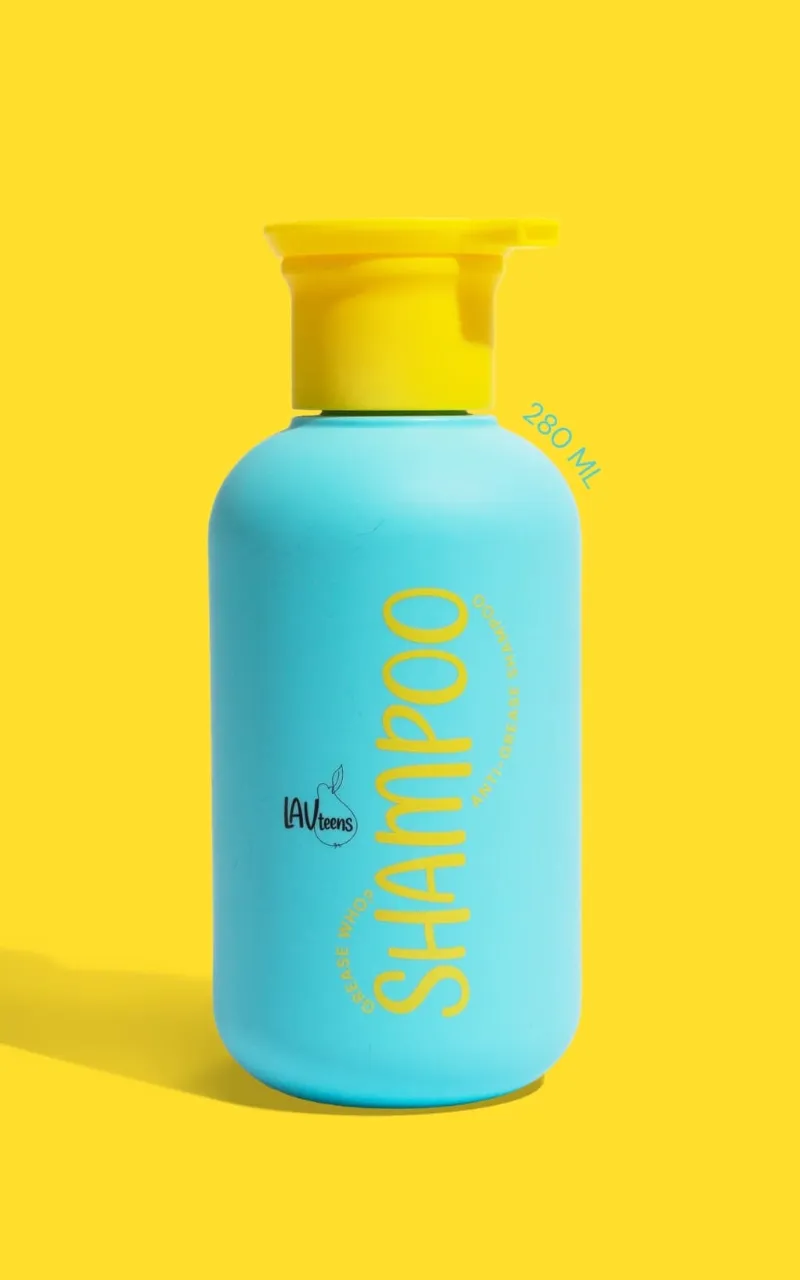
The best shampoo for teenage greasy hair combines gentle cleansing with oil control to help teens manage excess sebum without stripping their scalp or skin. Hormonal changes during puberty ramp up oil production, leaving many teenagers struggling with greasy roots by midday and shiny, breakout-prone skin. We tested products designed specifically for young skin and hair, focusing on formulas that balance effective cleansing with ingredients safe for developing bodies.
Why Teenagers Struggle With Greasy Hair and Oily Skin
Puberty triggers a surge in androgens, hormones that stimulate sebaceous glands to produce more oil. This affects both the scalp and facial skin, which is why many teens experience greasy hair and acne simultaneously. The T-zone (forehead, nose, and chin) becomes particularly oily, while hair can look limp and unwashed just hours after showering.
Overwashing or using harsh products often backfires. When you strip away too much oil, the scalp compensates by producing even more sebum. The key is finding products that cleanse effectively without triggering this rebound effect. Look for formulas labeled as balancing, clarifying, or designed for oily hair and skin.
Choosing the Best Everyday Shampoo for Oily Hair
The right shampoo should remove excess oil, product buildup, and environmental grime while maintaining scalp health. We recommend looking for these features:
- Sulfate-free or gentle surfactants that clean without overdrying
- Balancing ingredients like tea tree oil, salicylic acid, or clay
- Lightweight formulas that won't weigh down fine or thin hair
- Cruelty-free and clean ingredients suitable for young, sensitive skin
The best shampoo for teenage greasy hair from Lav Kids checks all these boxes. It's formulated specifically for teens dealing with hormonal oil production, using plant-based cleansers that remove buildup without harsh chemicals. Many hairdressers recommend shampoos with clarifying properties for teens, as these prevent the dull, heavy look that comes from oil and product accumulation.
For teens with oily scalp and dry ends—a common combination—focus the shampoo on the roots and scalp only. Let the lather rinse through the lengths, then apply a lightweight conditioner mid-shaft to ends only. This technique addresses both concerns without adding oil where you don't want it.
Check the latest price and grab our discount code to save 10% on your first order.
Managing Oily Skin: Face Wash and Cleansers for Teens
Greasy hair and oily skin often go hand in hand, so a complete routine addresses both. A proper facial cleanser removes excess sebum, dirt, and sweat without disrupting the skin's natural barrier.
The salicylic acid cleanser for teenagers is our top pick for oily, acne-prone skin. Salicylic acid is a beta hydroxy acid (BHA) that penetrates pores to dissolve oil and prevent breakouts. It's especially effective for teens because it targets the root cause of most teenage acne: clogged pores from excess sebum.
For younger teens or those with sensitive skin, a gentle kids face wash offers effective cleansing without active acids. Look for gel or foaming formulas that rinse clean and leave skin feeling fresh, not tight or stripped.
Building a Simple Routine
- Morning: Rinse face with lukewarm water or use a gentle cleanser, then apply a lightweight, oil-free moisturizer with SPF
- Evening: Cleanse thoroughly to remove the day's oil and dirt, then follow with a balancing toner or light moisturizer
- Hair: Shampoo every 1-2 days, focusing on the scalp; use dry shampoo between washes if needed
Consistency matters more than expensive products. We tested numerous options in the skincare for kids and kids skin care categories, and the best results came from teens who stuck to a simple twice-daily routine.
Best Shampoo for Oily Thin Hair: What Works
Fine, thin hair shows oil faster because there's less surface area to absorb sebum. Each strand gets coated more quickly, leading to that flat, greasy appearance. If your teen has thin hair, look for volumizing or lightweight shampoos that won't add weight.
The best shampoo for oily thin hair should:
- Contain volumizing ingredients like rice protein or biotin
- Avoid heavy oils, silicones, or rich conditioners on the roots
- Include clarifying agents to prevent buildup that flattens hair
Apply shampoo directly to the scalp and massage thoroughly for at least 60 seconds. This mechanical action helps dislodge oil and dead skin cells. Rinse with cool water to help close the hair cuticle and add shine.
Between washes, dry shampoo can absorb excess oil at the roots. Apply it to the scalp, wait a few minutes, then brush or massage it through. This extends time between washes and adds volume.
Products Designed for Different Ages and Skin Types
Not all teens have the same needs. A 13-year-old just entering puberty may need gentler products than a 17-year-old with established oily skin.
For younger teens (ages 9-12), skin care for 9 to 10 years olds offers age-appropriate formulas that introduce good habits without overwhelming young skin. These products typically avoid strong actives like high-percentage acids or retinoids, focusing instead on gentle cleansing and basic moisturizing.
Older teens with persistent oiliness and acne benefit from targeted treatments like salicylic acid cleansers or spot treatments. The key is starting with lower concentrations and building up as skin adapts.
| Age Range | Hair Needs | Skin Needs |
|---|---|---|
| 9-12 years | Gentle clarifying shampoo | Mild foam or gel cleanser |
| 13-15 years | Balancing shampoo for oily scalp | Salicylic acid or gentle BHA |
| 16-18 years | Clarifying or targeted oil control | Active treatments for persistent acne |
Tips for Long-Term Oil Control
Managing greasy hair and oily skin is a marathon, not a sprint. These habits help teens maintain balance:
- Don't skip moisturizer. Even oily skin needs hydration; skipping it triggers more oil production
- Wash pillowcases weekly. Oil and bacteria transfer from fabric to skin and hair overnight
- Avoid touching your face and hair. Hands transfer oil and dirt throughout the day
- Stay hydrated and eat balanced meals. Internal health affects oil production
- Be patient with new products. Skin and scalp need 4-6 weeks to adjust to a new routine
We also recommend checking reviews and ingredient lists carefully. Cruelty-free options that target teenage greasy hair are increasingly available, reflecting growing demand for ethical products that still deliver results.
Visit our discount code page to save on the full Lav Kids range, including shampoos, cleansers, and complete skincare sets designed for teens navigating puberty's oiliest challenges.
Frequently asked questions
How often should teenagers with greasy hair wash their hair?
Most teens with greasy hair should wash every 1-2 days. Washing too frequently can strip the scalp and trigger rebound oil production, while waiting too long allows buildup that clogs pores and looks visibly greasy.
Can the same product work for both oily scalp and oily skin?
While some ingredients like salicylic acid help both, hair and skin need different formulations. Use a clarifying shampoo for the scalp and a facial cleanser designed for oily skin—face products are pH-balanced differently and won't rinse clean from hair.
What ingredients should I avoid in shampoo for teenage greasy hair?
Avoid heavy silicones, sulfates (SLS/SLES in high concentrations), and rich oils like coconut or argan oil in formulas for oily hair. These can weigh hair down and add to the greasy appearance instead of controlling it.
Will my teenager's oily skin and greasy hair improve after puberty?
For many people, oil production decreases somewhat in the early twenties as hormones stabilize. However, some continue to have oily skin and hair into adulthood, so building good cleansing habits now helps long-term.
Is salicylic acid cleanser safe for teenagers?
Yes, salicylic acid cleansers are safe and effective for most teens when used as directed. Start with lower concentrations (0.5-2%) and use once daily, gradually increasing frequency if needed and tolerated.
Should I use conditioner if my teen has greasy hair?
Yes, but apply lightweight conditioner only from mid-length to ends, avoiding the scalp and roots entirely. This prevents dryness and breakage on the lengths while keeping the oily root area clean and volumized.