
What Skincare Routine Is Safe for a 9 to 10 Year Old?

What Skincare For Kids Aged 9 to 10 Is Safe?
Skincare for kids between 9 and 10 years old should focus on gentle cleansing, basic sun protection, and light moisturizing. At this age, children's skin is still developing its natural barrier, so harsh actives, fragrances, and anti-aging ingredients can do more harm than good. We recommend sticking to mild formulas designed specifically for young skin, like a kids face wash that removes dirt without stripping natural oils.
Why 9 to 10 Year Olds Need a Different Approach
Pre-teen skin differs significantly from adult skin in both structure and needs. The sebaceous glands are not yet fully active, meaning most children this age have naturally balanced or even slightly dry skin. Introducing adult products with retinoids, strong acids, or anti-aging peptides can irritate their delicate barrier and cause redness, peeling, or sensitivity.
According to experts at KidsHealth, children typically don't need elaborate routines. Instead, the goal is to establish healthy habits while protecting their skin from environmental damage. Skin care for 9 to 10 years olds works best when it addresses the specific concerns of this age group: occasional dryness, sun exposure from outdoor play, and the earliest signs of puberty-related changes in some children.
Building a Simple Morning and Evening Routine
A complete yet minimal routine for this age includes three core steps that take less than five minutes total.
Morning routine:
- Rinse face with lukewarm water or use a kids skin care gentle cleanser if needed
- Apply a broad-spectrum SPF 30 or higher sunscreen to face, neck, and ears
- Moisturize any dry patches with a fragrance-free lotion
Evening routine:
- Cleanse with a mild, sulfate-free face wash to remove sunscreen, dirt, and sweat
- Pat dry and apply a light moisturizer if skin feels tight
This two-step approach (cleanse and protect) covers the essentials without overwhelming young skin. For children who play sports or spend significant time outdoors, a proper cleanse in the evening becomes especially important to prevent clogged pores from sunscreen buildup.
Ingredients to Seek and Ingredients to Skip
When shopping for skincare for kids, the ingredient list matters more than marketing claims. Look for formulas built around these gentle, effective components:
- Glycerin – a humectant that draws moisture into skin without irritation
- Ceramides – lipids that support the skin barrier
- Colloidal oatmeal – soothes irritation and reduces redness
- Zinc oxide or titanium dioxide – mineral sunscreen actives safe for sensitive skin
Avoid these ingredients commonly found in teen and adult products:
- Retinoids and retinol – too strong for undeveloped skin, can cause peeling and sensitivity
- High-percentage acids (AHA, BHA over 0.5%) – unnecessary at this age and risk over-exfoliation
- Fragrance and essential oils – common irritants that offer no benefit
- Alcohol denatured – drying and disruptive to the skin barrier
The Environmental Working Group warns that the trend of young children using complex adult routines exposes them to unnecessary chemicals and allergens. Simpler is genuinely better for developing skin.
When Acne or Oily Skin Starts to Appear
Some 9 and 10 year olds begin experiencing early puberty symptoms, including increased oil production or the occasional breakout. If this happens, resist the urge to jump straight to strong acne treatments. Instead, upgrade the cleanser to one formulated for combination or oily skin.
A salicylic acid cleanser for teenagers can work well for pre-teens *if* it contains a low concentration (0.5% to 1%) and is used only once daily. Salicylic acid gently exfoliates inside pores to prevent buildup without the irritation of higher percentages marketed to older teens. Pair it with a non-comedogenic moisturizer to keep skin balanced.
For children whose hair becomes noticeably greasier as hormones shift, switching to the best shampoo for teenage greasy hair helps prevent forehead and scalp breakouts. Oily hair that touches the face transfers sebum and can clog pores along the hairline.
| Skin Concern | Recommended Product Type | Frequency |
|---|---|---|
| Normal, balanced skin | Gentle cream or gel cleanser | Once daily (PM) |
| Early oily patches | Low-dose salicylic acid wash | Once daily (PM) |
| Dryness or sensitivity | Fragrance-free hydrating cleanser | Every other evening |
| Greasy hair affecting skin | Clarifying shampoo for teens | 2-3 times per week |
Teaching Good Habits Without Obsession
Introducing skin care for 9 to 10 years olds is as much about building lifelong habits as it is about the products themselves. We recommend keeping the conversation focused on health and protection rather than appearance or perfection. Emphasize that skincare is like brushing teeth—a quick, practical routine that keeps their body healthy.
Involve your child in choosing products so they feel ownership over the routine. Let them pick a sunscreen scent (if you opt for a lightly scented mineral formula) or a cleanser texture they enjoy. When children understand *why* they're doing each step, they're more likely to stick with it independently as they grow.
Set a realistic expectation that skin won't look flawless every day, and that's completely normal. According to guidance from dermatologists, the goal at this age is prevention and protection, not correction.
Where to Find Gentle, Age-Appropriate Products
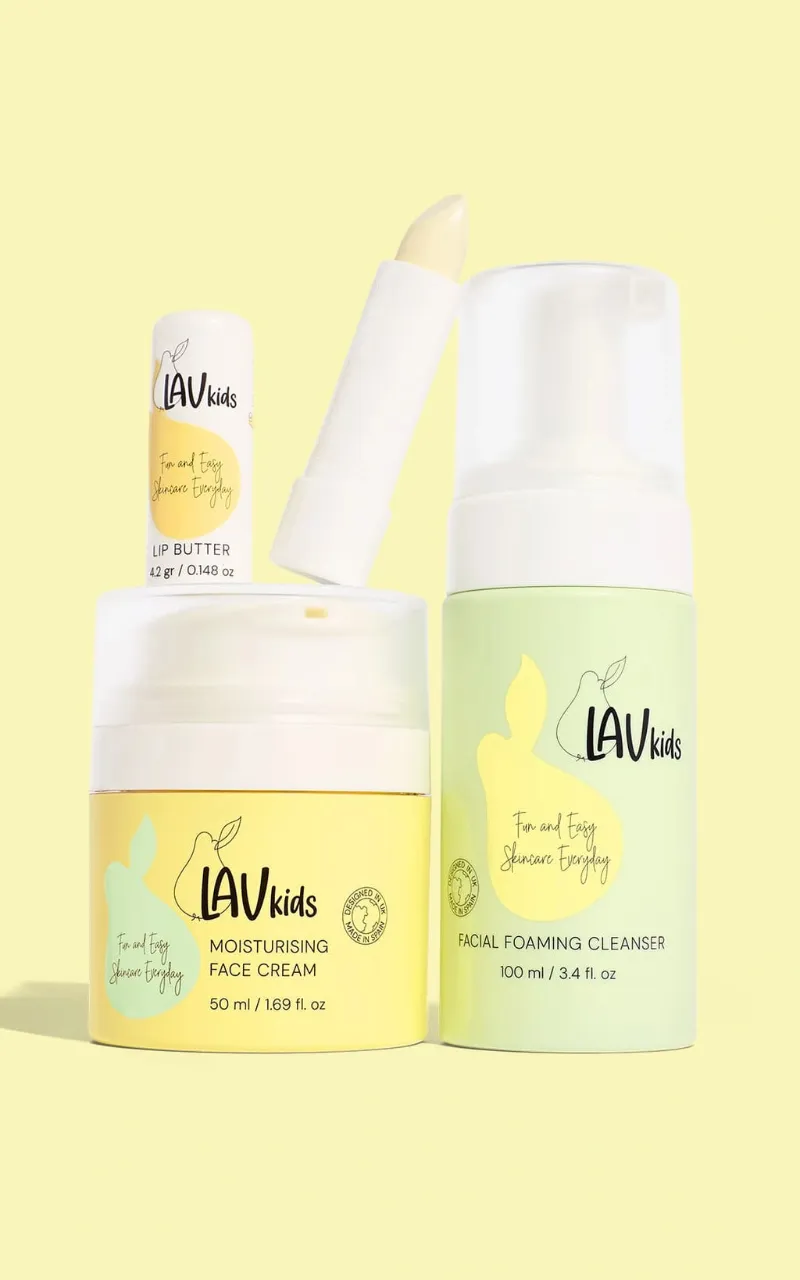
We test and recommend products from Lav Kids, a brand that formulates specifically for children's developing skin. Their line avoids common irritants and focuses on dermatologist-backed ingredients at appropriate concentrations. Grab the code for 10% off sitewide, which applies to cleansers, moisturizers, and sun protection designed for pre-teens.
When shopping, look for labels that say "pediatrician-tested," "hypoallergenic," or "suitable for sensitive skin." Avoid anything marketed as "anti-aging," "pore-minimizing," or "maximum strength." Those products target adult concerns and use actives that young skin doesn't need.
If your child has specific concerns like eczema, persistent redness, or unusual breakouts, consult a pediatric dermatologist before starting any new routine. They can recommend prescription options if needed or confirm that over-the-counter products are safe. Check the latest price on age-appropriate formulas that dermatologists commonly recommend for this age group.
The Bottom Line on Pre-Teen Skincare
Kids skin care at ages 9 to 10 works best when it's minimal, gentle, and focused on protection rather than correction. A simple cleanse-moisturize-protect routine builds healthy habits without exposing young skin to unnecessary irritants or actives. As your child approaches their teen years, you can gradually introduce targeted treatments if hormonal changes bring new concerns—but there's no need to rush. Let their skin develop naturally while you provide the basics it needs to stay healthy.
Frequently asked questions
What age should kids start using skincare products?
Most children can start a basic routine around age 8 to 10, focusing on gentle cleansing and sun protection. The routine should remain simple until puberty brings hormonal changes that may require targeted products.
Can a 9 year old use salicylic acid?
Yes, but only in low concentrations (0.5% to 1%) and only if early oiliness or breakouts appear. A salicylic acid cleanser designed for teens is safer than leave-on treatments at this age.
Is kids face wash different from regular soap?
Yes. Kids face wash is formulated with a lower pH and gentler surfactants that won't strip the skin's natural barrier. Regular bar soap can be too alkaline and drying for facial skin.
Do 10 year olds need moisturizer every day?
Not necessarily. If their skin feels comfortable after cleansing, moisturizer is optional. Use it on dry patches, after sun exposure, or in cold weather when skin tends to lose moisture more quickly.
Should I avoid all fragrance in skincare for kids?
Fragrance is a common irritant and offers no benefit, so fragrance-free is the safest choice for children's developing skin. If a product has a light scent from natural ingredients, check that it doesn't cause redness or itching.
How do I know if a product is too harsh for my child?
Watch for signs like redness, tightness, peeling, or stinging after application. If any of these occur, stop using the product immediately and return to water-only cleansing until the skin calms down.