
When Should Kids Start Using Skin Care Products?

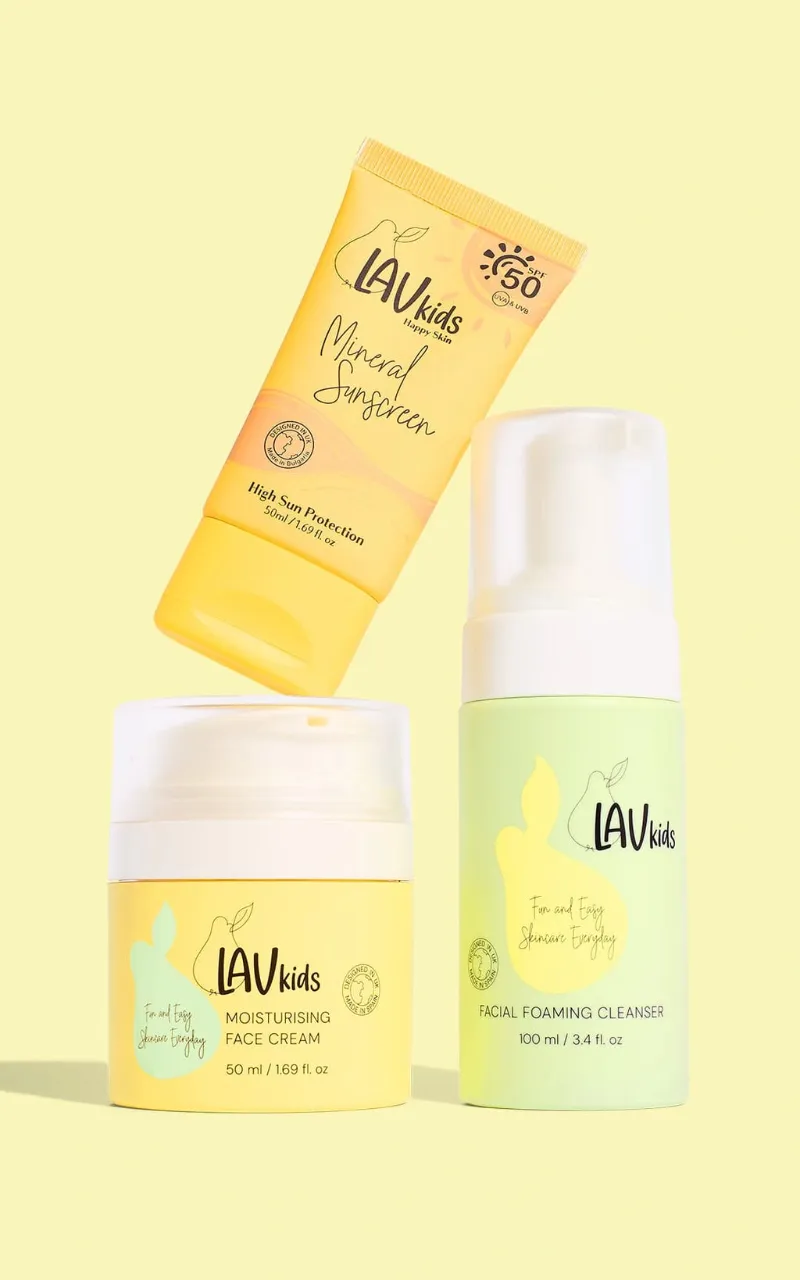
Kids skin care can start earlier than most parents think. A simple routine built around a gentle cleanser and moisturizer makes sense from around age 6 to 8, when kids are old enough to wash their own face and start noticing sweat, dirt, and oil on their skin. The real shift happens between 9 and 12, when early puberty kicks in and oil production ramps up. That is when a dedicated routine stops being optional and starts preventing problems like clogged pores and breakouts.
This guide walks you through when to start, what products actually matter at each age, and how to build a routine your child will stick to, using real products like kids face wash and a salicylic acid cleanser for teenagers.
Why Age Matters in Kids Skin Care
Children's skin is thinner and more sensitive than adult skin, so the "start early, use more" approach that works for adults backfires on kids. The goal at younger ages is not treatment. It is building a habit with products that respect the skin barrier.
Here is a rough age map:
- Ages 4 to 6: Nothing needed beyond bath time. Mild, fragrance-free body wash only.
- Ages 6 to 8: A gentle kids face wash once daily, plus moisturizer if skin feels dry or tight. This is habit-building territory.
- Ages 9 to 10: Oil production often starts here. A proper skin care for 9 to 10 years olds routine should include a gentle cleanser morning and night, a light moisturizer, and daily sunscreen.
- Ages 11 to 13 (teens): Pores clog, breakouts appear, and hair gets greasy. Active ingredients like salicylic acid become genuinely useful, along with targeted shampoo for oily hair.
If you are unsure where your child falls, check for visible oil by mid-afternoon or small clogged bumps on the nose and forehead. Those are your signals to upgrade the routine.
Building a Starter Routine for Ages 6 to 10
Keep it to three steps max. Kids abandon complicated routines within a week.
- Cleanse once or twice a day. A gentle kids face wash removes sweat, playground dirt, and early oil without stripping the skin. Look for sulfate-free, fragrance-free formulas.
- Moisturize if needed. A lightweight, non-comedogenic lotion keeps the barrier happy, especially in winter or after swimming.
- Sunscreen every morning. This is the single highest-value habit. UV damage starts in childhood, and it is the one thing that genuinely pays off decades later.
A purpose-built set like skincare for kids takes the guesswork out, because every product in the range is formulated for young skin rather than diluted-down adult products. For a deeper dive into ingredient safety by age, this guide on choosing the best skin care for kids is a solid reference.
When Teen Skin Needs More: Actives and Targeted Products
Puberty changes the rules. Around ages 11 to 14, sebum production can double or triple, which is why teen routines earn a fourth step.
Salicylic acid is the workhorse ingredient here. It is oil-soluble, so it gets inside pores and clears out the gunk that causes blackheads and whiteheads. A salicylic acid cleanser for teenagers used once daily is the gentlest way to introduce it, and it is far better tolerated than starting with harsh spot treatments. Start with every other day for two weeks, then move to daily if the skin tolerates it well.
If breakouts are mild and occasional, a dedicated daily kids skin care set with a balancing cleanser and light moisturizer is often enough. Persistent or painful acne is a reason to see a GP or dermatologist, not to layer on more products.
Hair and Scalp: The Forgotten Half of the Routine
Greasy hair and oily skin go together, and an unwashed scalp can make forehead and back breakouts worse. Teenagers often need to wash their hair three to four times a week instead of twice.
- Choose a balancing shampoo designed for oily roots. A formula marketed as the best shampoo for teenage greasy hair will typically use gentle surfactants that cut oil without triggering rebound grease.
- Teach teens to shampoo the scalp, not the lengths, and to condition only the ends.
- Keep hair off the face during sports; sweat plus hair oil is a reliable pimple recipe.
For skin care for 9 to 10 years olds who are not yet oily, twice-weekly hair washing with a mild kids shampoo is plenty.
What to Look For (and Avoid) on the Label
Reading labels is the easiest way to separate good kids skin care from marketing dressed up as dermatology.
Look for:
- Fragrance-free or naturally scented with clearly listed botanicals
- Sulfate-free cleansers
- Non-comedogenic moisturizers and sunscreens
- Low-percentage salicylic acid (typically 0.5% to 2%) for teen cleansers
- Simple ingredient lists you can actually pronounce
Avoid:
- Harsh physical scrubs with large, sharp particles
- High-strength retinoids or prescription-strength actives without a doctor's input
- Alcohol-heavy toners that leave skin tight
- "Anti-aging" anything. Kids' skin does not need it, and these formulas are too rich
Quick comparison by age:
| Age | Core products | Actives? | Wash frequency |
|---|---|---|---|
| 6-8 | Gentle face wash, moisturizer | No | 1x daily |
| 9-10 | Cleanser, moisturizer, SPF | No | 1-2x daily |
| 11-13 | Cleanser, moisturizer, SPF, oily-hair shampoo | Salicylic acid cleanser | 2x daily face, 3-4x weekly hair |
| 14+ | Teen routine | Salicylic acid, possibly niacinamide | 2x daily face, as needed hair |
Making the Routine Actually Stick
The best routine is the one your child does without being reminded three times.
- Anchor it to existing habits. Face wash right after brushing teeth. Sunscreen before school shoes.
- Keep products visible on the bathroom counter, not stored in a cabinet.
- Let them choose between two parent-approved options. Ownership drives consistency.
- Two minutes maximum. If it takes longer, it will not last a month.
- Explain the why. Kids follow rules; tweens follow reasons.
Where to Start (and What It Costs)
If you are starting from zero, begin with a cleanser and sunscreen, then add moisturizer within a week or two. Our pick for most families is the skincare for kids starter set for ages 6 to 10, stepping up to the salicylic acid cleanser for teenagers when oil and breakouts appear. We also keep an eye on current offers at Lav Kids, so check the latest price and grab the code before you buy; there is a 10% off sitewide deal running that works on everything mentioned above, and we update the page whenever the offer changes.
The short version: start kids skin care around age 6 to 8 as a gentle habit, upgrade between 9 and 10 as oil appears, and bring in salicylic acid and targeted shampoo in the early teen years. Small steps, right timing, and a routine your child will actually keep.
Frequently asked questions
Can a 7-year-old use face wash every day?
A gentle kids face wash once a day is plenty at this age. Twice daily is fine if they get sweaty or visibly oily, but avoid anything with strong actives yet.
Is salicylic acid safe for young teenagers?
Yes, when oil and clogged pores appear, usually ages 11 to 14. Start with a low-percentage salicylic acid cleanser used every other day, then build to daily if the skin tolerates it.
What is the best shampoo for teenage greasy hair?
Look for a balancing, sulfate-free shampoo designed for oily roots. Teen hair often needs washing three to four times a week, focusing the shampoo on the scalp and conditioning only the ends.
What does a 10-year-old's skin care routine need?
Skin care for 9 to 10 years olds should include a gentle cleanser morning and night, a lightweight moisturizer, and daily sunscreen. Skip actives unless oil and breakouts have clearly started.
How long should a kids skin care routine take?
Keep it to two minutes: cleanse, moisturize, and sunscreen in the morning, plus a second cleanse at night for tweens. Routines that take longer rarely last.
Do kids really need sunscreen every day?
Yes, daily broad-spectrum sunscreen is the most valuable habit a child can build. Use a lightweight, non-comedogenic formula rated SPF 30 or higher.