
Irish Moss vs Sea Moss: Are They the Same Thing?

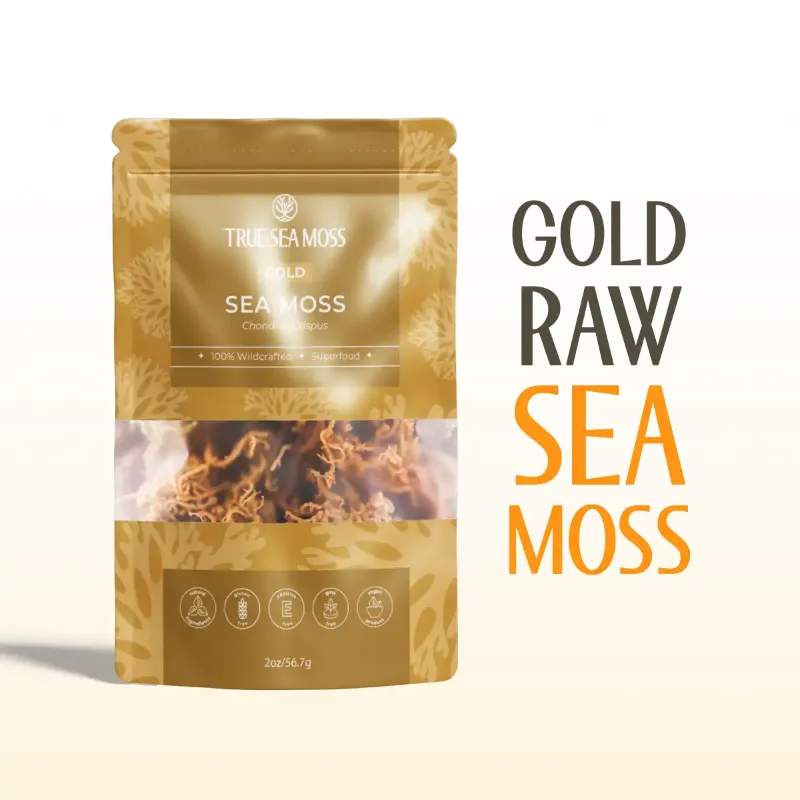
Are Irish Moss and Sea Moss the Same?
Sea moss and Irish moss refer to the same family of red algae, but the terms can mean different things depending on context. True Irish moss (Chondrus crispus) grows in the cold Atlantic waters off Ireland and North America, while most products labeled sea moss today come from Gracilaria or Eucheuma species harvested in warmer Caribbean and tropical waters. Both deliver similar nutritional profiles rich in minerals, iodine, and carrageenan, but wildcrafted seamoss from colder regions tends to have a denser texture and slightly different mineral ratios. For most buyers, the practical differences come down to sourcing, texture, and how you plan to use the product rather than dramatic gaps in benefits.
We tested raw, gel, and powdered forms from True Sea Moss to help you decide which type suits your routine. Whether you are blending sea moss gel into smoothies or rehydrating sea moss powder for recipes, knowing what you are actually buying makes all the difference.
What Makes Irish Moss Different from Caribbean Sea Moss
Chondrus crispus, the species most people call Irish moss, thrives in rocky tidal zones along the coasts of Ireland, Scotland, and the northeastern United States. It has a tighter, bushier structure with flat, fan-shaped fronds that range from purple to reddish-brown. Caribbean sea moss, typically Gracilaria or Eucheuma, grows on ropes or naturally in warmer tropical waters and features longer, thinner branches with a lighter gold or green hue.
Key distinctions:
- Habitat: Irish moss prefers cold, nutrient-rich Atlantic water; Caribbean varieties favor warm, shallow tropical zones
- Appearance: Irish moss is denser and darker; Caribbean sea moss is lighter and more golden when dried
- Harvest method: Irish moss is wild-harvested from rocks; Caribbean sea moss is often pool-grown or rope-farmed
- Carrageenan type: Irish moss contains lambda and kappa carrageenan; Gracilaria leans toward agar-like polysaccharides
Both types deliver the trace minerals and mucilage that make sea moss popular for gut health and skin care. If you see real irish moss labeled explicitly, expect a product closer to the Chondrus crispus standard, though labeling is not always precise. Check current pricing and our discount code to compare True Sea Moss options side by side.
Raw Sea Moss vs Gel vs Powder: Which Form to Choose
Your choice between raw, gel, and powder depends on how much prep time you have and how you plan to consume it.
| Form | Prep Required | Best For |
|---|---|---|
| Raw dried | Soak 12–24 hrs, rinse, blend | Maximum freshness, bulk prep, DIY gel |
| Gel | Ready to use | Smoothies, quick spoons, skin masks |
| Powder | Mix into liquid | Travel, baking, capsules, instant drinks |
Raw sea moss requires an overnight soak to expand and soften, then a rinse to remove salt and any sand. Once hydrated, you blend it with water to create your own gel. We found true seamoss in raw form retains more of the ocean aroma and lets you control consistency, but it demands planning and refrigerator space.
Sea moss gel is pre-blended and ready to scoop. It stays fresh for two to three weeks in the fridge and works well if you add a tablespoon to morning smoothies or oatmeal. Flavored options like mango sea moss or pineapple sea moss mask the briny taste, making them easier for first-timers.
Sea moss powder is dehydrated and milled, so you can stir it into coffee, tea, or baked goods without the slippery texture. It travels easily and does not require refrigeration, though some users report a slightly less pronounced mineral taste compared to fresh gel. Powder also works if you want to fill your own capsules.
All three forms share similar sea moss benefits, including iodine for thyroid support and soluble fiber for digestion. Pick the format that fits your routine rather than chasing one "superior" type.
Sea Moss Benefits and What the Research Actually Shows
Sea moss delivers 92 of the 102 minerals the human body uses, though those numbers are marketing approximations rather than lab-confirmed counts for every batch. The standout nutrients include iodine, potassium, calcium, magnesium, and sulfur.
Documented benefits:
- Thyroid function: High iodine content supports hormone production, but excess iodine can suppress thyroid activity in sensitive individuals
- Digestive health: Soluble fiber and mucilage coat the gut lining, which may soothe irritation
- Skin hydration: Topical gels provide a moisture barrier and deliver minerals directly to skin
- Immune modulation: Polysaccharides in sea moss may influence gut bacteria and immune signaling, though human trials remain limited
Research on sea moss benefits and side effects is still emerging. Most studies focus on carrageenan extracts rather than whole-food sea moss, so results do not always translate directly. Anecdotal reports highlight energy gains and clearer skin, but individual responses vary widely.
Potential side effects:
- Excess iodine can trigger hyperthyroidism or interfere with thyroid medication
- Heavy metals like arsenic or lead may concentrate in algae harvested from polluted waters
- Digestive upset or bloating during the first week as your gut adjusts to added fiber
Start with one tablespoon of gel or one teaspoon of powder daily, and watch for any thyroid symptoms if you already take levothyroxine or have Hashimoto's. Pregnant or nursing women should consult a healthcare provider before adding sea moss, since iodine needs shift during those periods.
How to Use Sea Moss in Drinks, Smoothies, and Recipes
Sea moss blends invisibly into most liquids once you get the ratio right. For smoothies, add one to two tablespoons of sea moss gel along with your usual fruit, greens, and protein. The gel thickens the texture without adding strong flavor, especially if you pair it with banana, mango, or berries.
Easy sea moss drink ideas:
- Morning moss water: Stir one teaspoon of sea moss powder into eight ounces of water with lemon and a pinch of honey
- Iced coffee boost: Blend cold brew with moss water or a spoonful of gel for creaminess without dairy
- Tropical smoothie: Combine pineapple sea moss gel, frozen pineapple, coconut milk, and a handful of spinach
For cooking, sea moss gel works as an egg replacer in vegan baking (three tablespoons gel per egg) or as a thickener in soups and sauces. Powder can go into energy balls, homemade protein bars, or overnight oats. Because sea moss is nearly flavorless when diluted, it does not compete with other ingredients.
If you prefer ready-to-drink convenience, pre-made moss water offers a grab-and-go option with light fruit flavoring. We tested it cold and found it refreshing, with a subtle minerality that does not overpower.
Where to Buy Quality Sea Moss and What to Look For
Not all sea moss is created equal. Pool-grown or chemically treated algae can look pristine but may lack the mineral density of ocean-harvested varieties. Wildcrafted seamoss means the algae was hand-harvested from natural reefs or rocks rather than farmed, which typically results in richer color and stronger ocean aroma.
Quality markers:
- Color variation: Authentic dried sea moss ranges from gold to purple to dark brown; uniform bright gold can indicate bleaching or single low-mineral species
- Salt and sea debris: A few bits of shell or sand after soaking confirm minimal processing
- Certifications: Look for third-party testing for heavy metals, especially if sourcing from unfamiliar tropical regions
- Smell: Fresh raw or gel should smell briny and slightly seaweed-like, not fishy or sour
True Sea Moss sources from vetted suppliers and tests each batch for contaminants. You can grab the current discount code for 15% off any format, whether you want to try real irish moss for its traditional Chondrus profile or experiment with flavored gels.
Avoid products labeled simply as "sea moss" on generic marketplaces without species or sourcing details. If a seller cannot tell you whether it is Chondrus, Gracilaria, or Eucheuma, that is a red flag for quality control.
Who Should Use Sea Moss and Who Should Skip It
Sea moss suits anyone looking to add trace minerals and soluble fiber without extra calories or stimulants. It is especially popular among plant-based eaters seeking iodine and among people managing gut inflammation or dry skin.
Good candidates:
- Vegans and vegetarians who need iodine and may not eat fish or dairy regularly
- People with low energy or subclinical thyroid sluggishness (after checking with a doctor)
- Anyone building a whole-food supplement routine focused on minerals over synthetic vitamins
- Skin-care enthusiasts looking for natural hydrating masks
Who should proceed cautiously:
- Individuals with hyperthyroidism or taking thyroid medication, since added iodine can interfere with dosing
- Those with shellfish or iodine allergies, though true sea moss allergy is rare
- Anyone with kidney issues, as potassium content can be significant in large servings
If you are new to sea moss, start with a small serving and monitor how you feel over two weeks. Some people notice better digestion and skin hydration within days; others see no change. The wide range of results reflects both individual biochemistry and the variable mineral content across batches and species.
True Sea Moss offers sample sizes and combo packs so you can test raw, gel, and powder before committing to bulk orders. Visit the store page to explore current bundles and see which format fits your lifestyle.
Frequently asked questions
Is Irish moss the same as the sea moss sold online?
Irish moss traditionally refers to Chondrus crispus from cold Atlantic waters, while most online sea moss comes from warmer-water Gracilaria or Eucheuma species. Both are red algae with similar benefits, but texture and mineral ratios can differ slightly.
Can I take sea moss every day?
Most people tolerate one to two tablespoons of gel or one teaspoon of powder daily without issue. Monitor iodine intake if you have thyroid conditions or take thyroid medication, since excess iodine can interfere with treatment.
Does sea moss gel need to be refrigerated?
Yes, fresh sea moss gel should be refrigerated and used within two to three weeks. Powder and dried raw sea moss do not require refrigeration and last several months in a cool, dry place.
What does wildcrafted sea moss mean?
Wildcrafted means the sea moss was hand-harvested from natural ocean reefs or rocks rather than rope-farmed or pool-grown. It typically has richer color and higher mineral density.
Which form of sea moss is best for smoothies?
Sea moss gel blends most easily into smoothies without extra prep. Powder also works but may clump if not pre-mixed with liquid. Raw sea moss requires soaking and blending before you can add it to drinks.
Are there any side effects from taking sea moss?
Possible side effects include digestive upset during the first week, excess iodine affecting thyroid function, and rare allergic reactions. Start with a small serving and consult a healthcare provider if you take thyroid medication or are pregnant.