
How Long Does Sea Moss Gel Last in the Fridge?

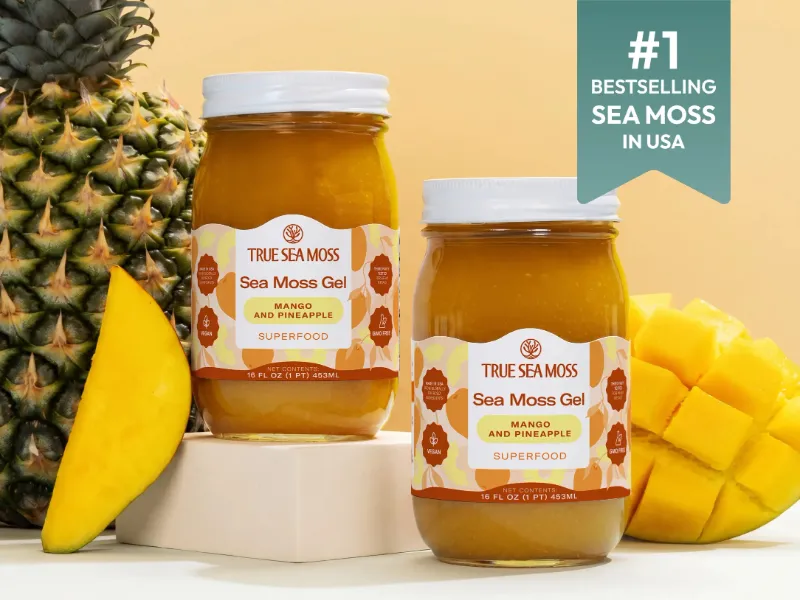
Sea moss gel lasts 3 to 4 weeks in the refrigerator when stored correctly in an airtight container. Fresh sea moss gel from True Sea Moss contains no preservatives, so proper storage is essential to maintain its nutrient profile and prevent spoilage. Whether you buy ready-made gel or make your own from wildcrafted seamoss, understanding shelf life helps you get the most value and benefits from every batch.
What Affects Sea Moss Gel Shelf Life
Several factors determine how long your gel stays fresh. The main variables include preparation method, container cleanliness, refrigerator temperature, and whether the gel contains added flavors or ingredients.
Homemade vs store-bought plays a significant role. When you prepare gel from raw sea moss at home, the shelf life depends on your kitchen hygiene and how thoroughly you cleaned the moss before blending. Commercial options like true seamoss gel often undergo quality-controlled processing in sterile environments, which can extend freshness by a few days compared to typical home batches.
Flavored varieties such as mango sea moss or pineapple sea moss may have slightly shorter shelf lives because fruit additions introduce natural sugars and additional moisture that bacteria find appealing. Plain gel without additives typically lasts the full 3 to 4 weeks, while flavored versions are best consumed within 2 to 3 weeks.
Temperature consistency matters too. Your refrigerator should stay at or below 40°F. Frequent temperature fluctuations from door opening or power outages accelerate spoilage.
How to Store Sea Moss Gel Properly
Proper storage extends freshness and preserves the sea moss gel benefits you are after. Follow these steps to maximize shelf life:
- Use glass containers with airtight lids rather than plastic, which can harbor bacteria in scratches
- Fill containers to the top to minimize air exposure, which causes oxidation
- Store on refrigerator shelves rather than the door, where temperature varies more
- Keep a clean spoon dedicated to scooping gel to avoid cross-contamination
- Label with the date you made or opened the gel so you track freshness accurately
If you notice you will not finish your batch within 3 weeks, freezing is a practical option. Portion the gel into ice cube trays or small containers, then transfer frozen cubes to a freezer bag. Frozen gel keeps for up to 6 months and thaws quickly in the refrigerator overnight or at room temperature within an hour.
Check the latest price on True Sea Moss gel if you prefer the convenience of pre-made options that arrive fresh and ready to use.
Signs Your Sea Moss Gel Has Gone Bad
Spoiled gel shows clear warning signs. Recognizing them prevents consuming a product past its prime and ensures you are getting the nutritional value you expect.
Visual changes are the first indicators. Fresh gel has a translucent, amber or light tan color depending on the sea moss gel ingredients and source. When it spoils, you may see mold spots (green, white, or black dots), discoloration, or separation that does not remix when stirred.
Smell test is equally reliable. Quality gel has a mild ocean scent or almost no smell at all. A sour, fermented, or unpleasant odor means bacterial growth has started, and the gel should be discarded immediately.
Texture shifts also signal trouble. While sea moss gel naturally thickens when cold, spoiled gel becomes watery with a slimy film on top, or conversely, develops an unusually hard crust. Either extreme indicates the gel is no longer safe to consume.
If you are uncertain, err on the side of caution and discard the batch. The cost of replacing a jar is far lower than the risk of foodborne illness.
Extending Freshness Beyond Four Weeks
For those who want gel on hand without weekly preparation, strategic planning and preservation methods help.
Freeze in portions as mentioned earlier. This works especially well if you use gel in smoothies or moss water where slight texture changes after thawing are unnoticeable. Frozen gel blends smoothly into beverages and recipes without compromising the nutritional benefits.
Make smaller batches more frequently rather than large quantities at once. If you use two tablespoons daily, prepare only enough for two weeks. This approach ensures you always consume gel at peak freshness.
Consider powder alternatives when long-term storage is a priority. Sea moss powder has a shelf life of 1 to 2 years when kept in a cool, dry place, and you can mix it with water to create fresh gel whenever needed. The powder offers the same mineral content and versatility as gel but without the refrigeration requirement.
Buy from trusted sources to start with the freshest product. True Sea Moss sources wildcrafted sea moss that is sustainably harvested and processed quickly to preserve quality. Grab the code for 15% off your order and stock up with confidence.
Comparison: Fresh Gel vs Powder vs Ready-Made
Different formats suit different lifestyles and storage needs. Here is how they stack up:
| Format | Fridge Shelf Life | Prep Time | Best For |
|---|---|---|---|
| Homemade gel | 3-4 weeks | 30-45 min | Weekly users, custom recipes |
| Store-bought gel | 3-4 weeks | None | Convenience, consistency |
| Sea moss powder | Not required | 5 min to mix | Long-term storage, travel |
Each option delivers the same core nutrients when sourced from quality real irish moss, so your choice depends on whether you prioritize convenience, cost, or control over ingredients and texture.
Who Should Pay Attention to Storage
Anyone incorporating sea moss into their wellness routine benefits from understanding proper storage, but certain groups should be especially vigilant.
Daily users who consume gel every morning in smoothies or directly by the spoonful need reliable storage practices to avoid waste. A spoiled batch mid-week disrupts your routine and means missing out on the consistent mineral intake that makes sea moss valuable.
Bulk buyers who stock up during sales or grab discounts must have a freezer plan in place. Purchasing multiple jars makes financial sense only if you can preserve them properly before they expire.
People with compromised immune systems should be particularly careful about freshness dates and spoilage signs, as foodborne bacteria pose greater risks. When in doubt, choose commercially prepared gel with batch testing and quality controls.
By understanding how long your gel lasts and how to store it correctly, you maximize both the nutritional benefits and the value of every jar you purchase or prepare.
Frequently asked questions
Can you freeze sea moss gel to make it last longer?
Yes, freezing extends shelf life up to 6 months. Portion the gel into ice cube trays or small containers, then transfer to freezer bags. Thaw in the refrigerator overnight or at room temperature for about an hour before use.
Does flavored sea moss gel expire faster than plain?
Yes, flavored varieties with fruit or sweeteners typically last 2 to 3 weeks compared to 3 to 4 weeks for plain gel. The added ingredients introduce natural sugars and moisture that accelerate bacterial growth.
How can I tell if my gel has gone bad?
Look for mold spots, unusual discoloration, a sour or fermented smell, or texture changes like excessive wateriness or a slimy film. Fresh gel has a mild ocean scent, translucent color, and smooth consistency.
Should I store sea moss gel in the fridge door or on a shelf?
Always store it on a refrigerator shelf rather than the door. The door experiences more temperature fluctuations from frequent opening, which accelerates spoilage. Keep your fridge at or below 40°F for best results.
Is sea moss powder better than gel for long-term storage?
Yes, powder lasts 1 to 2 years in a cool, dry place without refrigeration. You can mix it with water to create fresh gel as needed, making it ideal for travel or infrequent use while maintaining the same nutritional benefits.
Does homemade gel last as long as store-bought?
Both last 3 to 4 weeks when stored properly, but commercially prepared gel may stay fresh a few days longer due to sterile processing environments. Homemade shelf life depends on kitchen hygiene and how thoroughly you cleaned the raw moss.