
How to Keep Your Snorkel Mask from Fogging Up

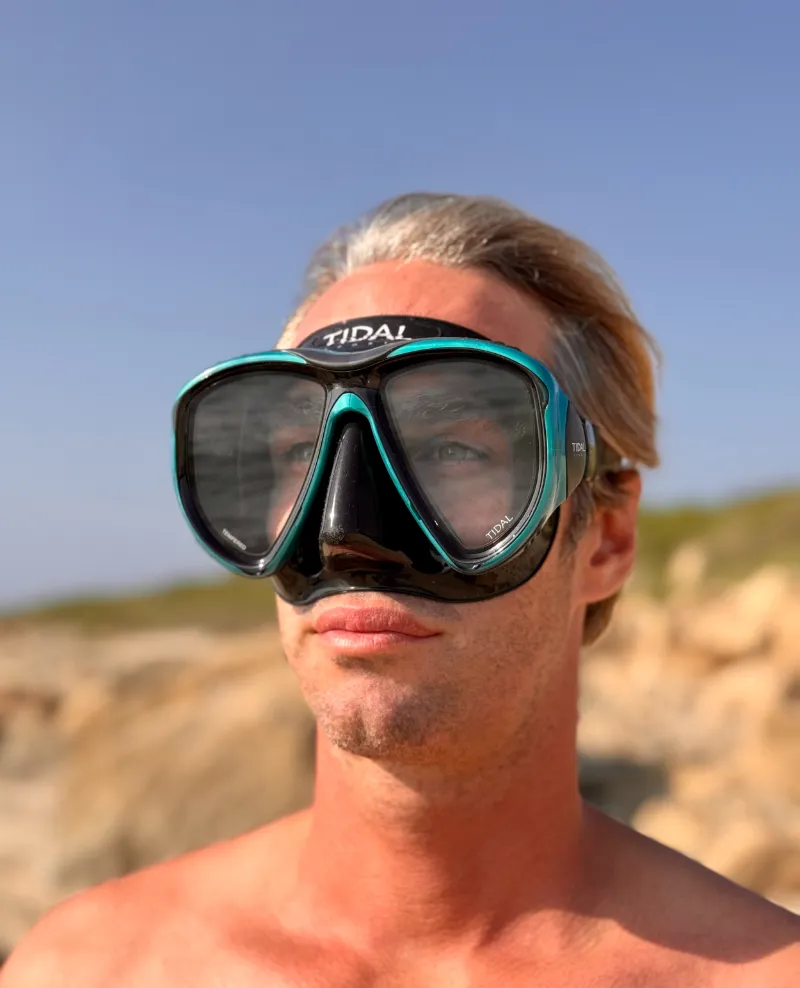
A non fogging snorkel mask is what separates a crystal-clear underwater adventure from a frustrating, blurry session spent surfacing every few minutes. Fogging happens when warm, humid air from your breath meets a cooler lens, and it is one of the most common complaints among snorkelers at every level. The good news is that it is almost entirely preventable with the right prep, the right product, and a few easy habits.
Why Your Snorkel Mask Fogs Up in the First Place
Lens fogging is a condensation problem. The silicone skirt seals warm air inside the mask, and when that air contacts the colder lens surface, water droplets form. A few factors make it worse:
- New mask silicone residue. Factory-fresh lenses have a thin film of silicone or mold-release compound that accelerates fogging. This is the single biggest reason a brand-new mask fogs badly.
- Scratched or degraded lens coating. Micro-scratches give water droplets more surface area to cling to.
- Insufficient anti-fog treatment. Skipping prep, or rinsing it off too aggressively, leaves you unprotected.
- Poor fit. A mask that leaks constantly pulls in cold water that drives temperature swings and worsens condensation.
Understanding the root cause helps you pick the right fix rather than guessing. For a deeper look at the science, How to Defog a Scuba Mask and Prevent Fogging breaks it down clearly.
The Burn-In Method: Essential for Any New Mask
Before you apply any spray or gel, you need to strip that factory silicone film off a new lens. This is called the burn-in method and it is the single most effective long-term fix for a fogging mask.
- Hold a lighter or candle flame about 1 cm from the inside of the glass lens (not the silicone skirt). Move it in small circles.
- The lens will turn black with soot. That is normal and intentional.
- Once it cools, wipe the soot away gently with a clean cloth.
- Repeat 2 to 3 times until the lens stops blackening quickly, which signals the film is gone.
- Finish with a polish using toothpaste (plain, non-gel) rubbed in circular motions, then rinse.
Important: This method applies to tempered glass lenses only. Do not use flame on polycarbonate or plastic lenses.
Best Anti-Fog Methods Compared
Once the burn-in is done, or if you have an older mask, you need a reliable ongoing treatment. Here is how the main options stack up:
| Method | Effectiveness | Cost | Convenience |
|---|---|---|---|
| Commercial snorkel anti fog spray | High | Low to mid | Very easy |
| Baby shampoo (DIY) | Moderate | Very low | Easy |
| Saliva (spit) | Low to moderate | Free | Instant |
| Toothpaste polish | Moderate (prep only) | Very low | Takes time |
A dedicated snorkel anti fog spray is the most reliable everyday option. Apply a few drops to the dry inside of the lens, spread it around, leave it for 30 to 60 seconds, and then give it one quick rinse. Do not over-rinse or you wash the treatment away.
For a homemade anti fog for snorkel mask, a drop of baby shampoo diluted with a little water works in a pinch. It is not as durable as a commercial product but is a solid backup when you are already at the beach.
Saliva is the classic last-resort method. Spit on the inside of the lens, spread it around, and rinse lightly. It works for short sessions but breaks down quickly, especially in warm water.
For more techniques including the best mask defogger options used by experienced divers, No more fogging Dive Masks: Tips against fogging is worth bookmarking.
Choosing the Right Anti-Fog Snorkel Gear
The mask itself matters as much as the treatment. A low-volume mask with a well-fitted silicone skirt reduces the amount of warm air trapped inside, which means less condensation to fight. Wide-angle single-lens designs also give you better visibility if fogging does start at the edges.
If you are shopping for anti fog swimming goggles or prefer a more streamlined fit for laps and surface snorkeling, a dedicated swim goggle with a factory anti-fog coating is a great complement to a full snorkel mask for different conditions. Similarly, anti mist swimming goggles are worth considering if you move between pool and open-water sessions.
When you are planning a session at a proper snorkeling spot or looking for the best places to swim with turtles, clear vision is non-negotiable. No amount of marine life is enjoyable through a white fog wall.
Protecting Your Phone Underwater
Once your mask is sorted, the next thing you will want at any snorkel session is a reliable way to capture what you see. A quality scuba phone case keeps your device dry at depth while still letting you shoot photos and video. If you are on an iPhone, an iphone waterproof case or a case underwater iphone designed for full submersion is far more reliable than a general splash-proof sleeve.
Pixel users are covered too: the scuba case case pixel 9 pro is built specifically for underwater photography. For a broader look at options, the best waterproof phone case guide covers the full lineup. You can check the latest price and grab the current discount code to save on any of these before your next trip.
Mask Care Habits That Keep Fogging Away Long-Term
Good habits between sessions extend the life of your anti-fog treatment and the mask itself:
- Rinse with fresh water after every use. Salt and chlorine degrade lens coatings and silicone over time.
- Store out of direct sunlight. UV breaks down silicone and can warp lens coatings.
- Never wipe the inside of the lens with a cloth between dives. You will scratch the coating and remove any treatment still on the glass.
- Re-apply anti-fog treatment before every session, not just new ones.
- Check the skirt seal regularly. A warped or cracked skirt lets water in and disrupts temperature balance inside the mask.
Following these steps means your non fogging snorkel mask stays that way session after session, whether you are at a local reef or chasing sea turtles across an open bay.
Who Gets the Most Out of Anti-Fog Prep
This matters most for:
- New snorkelers who are still learning breath control and surface more often, giving warm air more chances to condense.
- Underwater photographers who need an unobstructed view to frame shots accurately.
- Divers in warm tropical water where the temperature difference between body heat and lens surface is greatest.
- Anyone using a new or budget mask that may not have had the factory film removed.
For gear recommendations beyond the mask, 7 Top Retailers For Your Next Anti Fog Snorkel Mask In 2025 is a useful comparison of where to buy and what to look for. And if you are stocking up on snorkel or waterproof phone gear, check our discount page before you checkout.
Frequently asked questions
What is the fastest way to get a non fogging snorkel mask before a dive?
Apply a few drops of commercial anti-fog spray to the dry inside of the lens, spread it around, wait about 30 seconds, then do a single light rinse. If you have no spray, saliva works as a quick backup for short sessions.
Does the burn-in method work on all snorkel masks?
The flame burn-in method is safe only on tempered glass lenses. If your mask has a polycarbonate or plastic lens, skip the flame and use repeated toothpaste polishing sessions instead to remove the factory silicone film.
How often should I reapply anti-fog treatment to my mask?
Reapply before every single session. Even the best commercial treatments break down in salt water or chlorine, so treating the lens once at the start of a trip is not enough to last all week.
Can anti fog swimming goggles replace a full snorkel mask?
Anti fog swimming goggles are great for surface swimming and pool sessions, but they do not cover your nose, so they are not a direct replacement for a snorkel mask. Many snorkelers carry both for different conditions.
What homemade anti fog option works best if I have no spray?
A drop of plain baby shampoo diluted with a small amount of water is the most effective DIY alternative. Spread it on the inside of the lens, let it sit for 30 seconds, then rinse very lightly so a thin film remains.
Is a waterproof phone case necessary for snorkeling trips?
If you want to photograph what you see underwater, yes. A dedicated scuba phone case or underwater iPhone case is built to handle depth pressure and submersion, whereas standard phone water resistance ratings are not designed for repeated diving.