
Top Snorkeling Destinations for Turtle Encounters (Plus What to Pack)

The best snorkeling spot for a turtle encounter is one with shallow seagrass beds or protected reef flats where green and hawksbill turtles feed, and the destinations below all deliver exactly that. We have tested the gear and swum most of these waters, and we will walk you through where to go, what makes a snorkeling spot turtle-friendly, and what to pack so your phone, mask, and goggles all perform on the day.
What Makes a Good Snorkeling Spot for Turtles
Not every reef holds turtles. Before you book a trip, look for these three conditions, which show up again and again across the best snorkeling spots in the world:
- Shallow seagrass or algae beds. Green turtles graze here, often in water only 2 to 5 meters deep, close enough to the surface for easy viewing.
- Calm, protected bays. Turtles surface regularly to breathe, and they prefer low-traffic, low-swell water. A sheltered cove beats an exposed point every time.
- Warm water year round. Sea turtles are reptiles. They concentrate in waters that stay warm, which is why nearly every classic turtle destination sits in the tropics or subtropics.
A good snorkeling map helps you spot shallow reef zones before you even arrive, and many of the destinations below publish one through their local marine park or tourism board.
The Best Places to Swim with Turtles
If you want the short list of the best places to swim with turtles, these six consistently produce encounters for regular snorkelers, not just divers:
| Destination | Why It Works | Best For |
|---|---|---|
| Akumal Bay, Mexico | Seagrass beds inside a protected bay; turtles feed in shallow water just off the beach | First-time turtle snorkelers |
| Gili Islands, Indonesia | Resident green turtles on easy shore-accessible reefs | Budget travelers and long stays |
| Hanauma Bay, Oahu | Protected crater bay with regular green turtle sightings | Families |
| Lady Elliot Island, Australia | Southern Great Barrier Reef with green and loggerhead turtles in crystal water | Reef quality purists |
| Derawan and Sangalaki, Indonesia | Minimal crowds with frequent hawksbill encounters | Escaping the crowds |
| Culebra, Puerto Rico | Flamenco Beach and nearby reefs hold resident greens | Caribbean trips |
For readers planning a Florida route, the state's Gulf and Atlantic coasts host five of the seven sea turtle species, and this Florida snorkeling guide covers the reef sites where sightings are most common. On the West Coast, green sea turtles gather in San Diego's South Bay, and this roundup of snorkeling in San Diego breaks down the most accessible entries.
Timing matters as much as location. Go early morning: turtles feed in low light, tour boats have not arrived, and the water is usually flattest.
Packing the Right Mask and Goggles
Nothing ruins a turtle encounter faster than a mask that fogs every time you exhale. Here is what we actually bring:
- A quality mask with a proper seal. A non fogging snorkel mask with a soft silicone skirt beats a cheap rental mask every single time. Press it to your face without the strap; if it holds on suction, the fit is right.
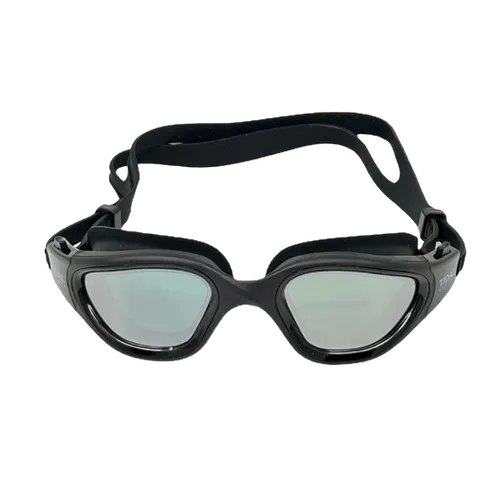
- Swim goggles for the swim out. If the entry involves a long surface swim before the reef, a pair of anti fog swimming goggles keeps your vision clear while you cover ground, then you switch to the mask on site.
- Anti-mist treatment as backup. Even good anti mist swimming goggles benefit from a pre-dip rinse in fresh water. Spit-and-rinse works, but baby shampoo wiped and lightly rinsed lasts longer.
Skip full-face masks for turtle trips. Turtles move, and you will want to duck-dive a meter or two; a classic two-window mask gives you that flexibility and a more reliable seal.
Keeping Your Phone Safe for the Money Shot
Every turtle swim ends the same way: you surface, and the first thing you want is the photo. A bare phone in a plastic bag is not a plan. We shoot everything with a purpose-built waterproof housing, and for stills and short clips a dedicated best waterproof phone case rated for snorkeling depths protects far better than a pouch with a zip seal.
For iPhone users, a locking iphone waterproof case with a hard shell and a lanyard is the setup we recommend to every reader; the shutter works through the case, and the housing survives being dropped on the boat deck. If you shoot on Android, a scuba phone case built for deeper ratings gives you the same confidence. Check the depth rating before you buy: snorkeling demands far less than scuba, but a rating with real headroom means a leak is never a worry.
Pro tip: shoot video while swimming parallel to the turtle, not toward it. You will get longer clips, and the turtle will stay relaxed.
Turtle Etiquette: How to Get Closer Without Being That Person
Marine turtles are protected in almost every country on this list, and good etiquette is what keeps these snorkeling spot ecosystems open to visitors:
- Never touch or chase. Let the turtle come to you or swim past. Chasing stresses the animal and burns its limited breath.
- Keep a few meters of distance and never block its path to the surface. A turtle that cannot breathe is a turtle in real danger.
- No flash photography and no grabbing the shell for a photo.
- Use reef-safe sunscreen. Common chemical filters harm the coral that turtles rely on for cover.
Follow those four rules and you will often find the turtle is curious enough to hang around, which is when the best photos happen.
Quick Checklist Before You Get In the Water
- Mask fitted and anti-fog treated
- Fins sized snug (rentals run large)
- Phone in its waterproof housing, lanyard attached, test-sealed at home
- Reef-safe sunscreen applied 30 minutes before entry
- Rash guard or thin wetsuit top (less sunscreen needed, more warmth on long swims)
- Dry bag left on shore with a towel and your car key
If you are buying any of this gear for the trip, check our ProShotCase discount code page before you check out, because we keep current offers there and it is the cheapest way to get the same housing we use. Planning a full gear run for a trip like this? The same coupon page usually has a site-wide code that covers everything in one order.
Pick your destination, pack the right housing, and respect the animal. Do those three things and your first wild turtle encounter is usually the first of many.
Frequently asked questions
What makes a snorkeling spot good for seeing turtles?
Shallow seagrass beds and protected, calm bays are the reliable signs. Green turtles feed in seagrass in water shallow enough for easy surface viewing, so look for sheltered coves rather than exposed reef points.
Can I take my phone underwater to photograph turtles?
We shoot with a hard-shell waterproof phone case rated for snorkeling depths, with a lanyard attached. A test seal at home in the sink takes thirty seconds and saves you a drowned phone.
Should I use a full-face snorkel mask for turtle swims?
A classic two-window mask with a silicone skirt is our pick. Full-face masks make it harder to duck-dive a meter or two when a turtle changes depth, and the seal is less reliable.
What time of day should I snorkel for turtle encounters?
Early morning is best. Turtles feed in low light, the water is usually flattest, and tour boats have not yet arrived, so the bay is calmer and less crowded.
Is it okay to touch a sea turtle while snorkeling?
No. Keep a few meters away, never touch, and never block a turtle's path to the surface. Turtles are protected in most countries, and relaxed turtles stay longer and make better photos.
Which destinations are the best places to swim with turtles for beginners?
Akumal Bay in Mexico, the Gili Islands in Indonesia, Hanauma Bay on Oahu, and Lady Elliot Island in Australia are the classic choices, with shallow feeding grounds and easy shore access.