
The Ultimate Guide to Snorkeling Gear for Beginners

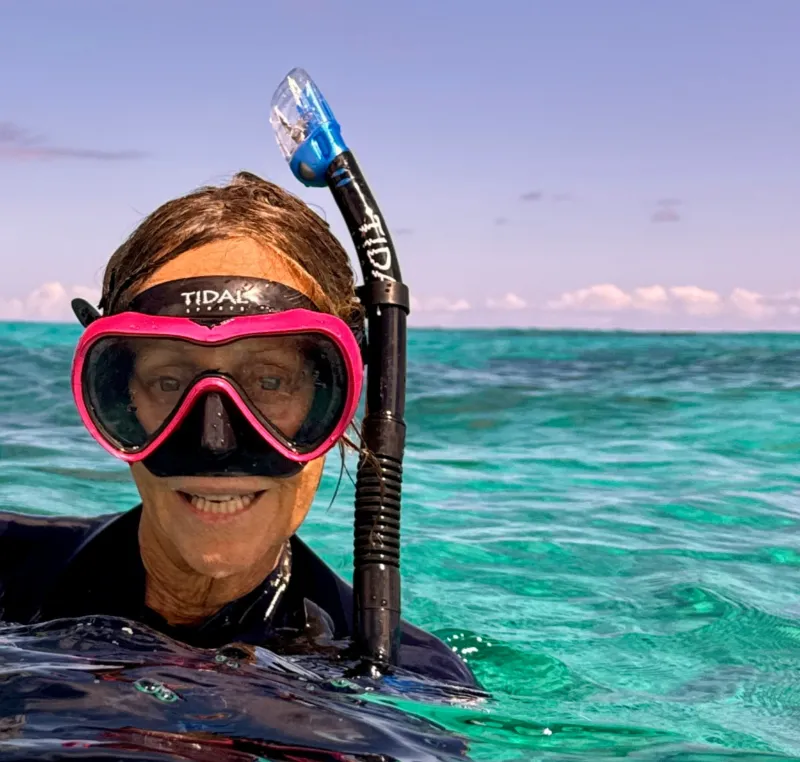
# The Ultimate Guide to Snorkeling Gear for Beginners
There's nothing quite like dipping your face below the surface for the first time and discovering a whole new world — coral gardens, shimmering schools of fish, and maybe even a sea turtle gliding past. But the difference between a magical first snorkeling experience and a frustrating one usually comes down to one thing: your gear.
This beginner's guide covers everything you need to know before your first trip to a snorkeling spot — from masks and fins to the often-overlooked accessory that changes everything: a waterproof phone case for capturing it all.
---
Why the Right Gear Matters
Snorkeling looks simple — and it is! But ill-fitting gear is the #1 reason beginners give up after five minutes. A leaking mask, fogged lenses, or a snorkel that floods constantly can turn an exciting adventure into an exercise in frustration.
Before you plan your trip, spend a few minutes on a snorkeling map to research conditions at your destination, then invest in gear that actually fits. Here's what you need.
---
1. The Snorkel Mask: Your Window to the Underwater World
Your mask is the most important piece of equipment you'll buy. A good seal means no leaks, no saltwater stinging your eyes, and clear views of marine life.
What to Look For
- Tempered glass lens – Safety glass that won't shatter and resists scratches.
- Silicone skirt – Soft, flexible silicone molds to your face and creates a watertight seal.
- Proper fit – Place the mask on your face (without the strap) and inhale gently through your nose. If it sticks in place, the fit is right.
One common beginner complaint is fogging. A non fogging snorkel mask solves this permanently — no more spitting in your mask or rinsing it every two minutes. If you also swim laps for fitness, the same technology applies to anti fog swimming goggles and anti mist swimming goggles, which keep pool and open-water sessions crystal clear.
Pro tip: New masks often have a thin factory coating on the lens. Wash yours with a drop of mild dish soap before the first use to prevent fog.
---
2. The Snorkel: Dry, Semi-Dry, or Classic?
Not all snorkels are created equal:
- Dry snorkels have a float valve that seals the top when submerged — the best choice for beginners.
- Semi-dry snorkels deflect most splashes with a wave guard but can let in a little water.
- Classic (wet) snorkels are simple and cheap but flood easily.
For your first few trips, go dry or semi-dry. You'll spend more time watching fish and less time purging water.
---
3. Fins: Power Without the Burn
Fins let you move efficiently without splashing (which scares fish away). Beginner-friendly options include:
- Full-foot fins – Lightweight, comfortable, perfect for warm water and boat trips.
- Open-heel fins with booties – Better for rocky shore entries and cooler water.
Sizing tip: full-foot fins should fit like snug slippers. If they slip at the heel, size down.
---
4. The Underrated Game-Changer: A Waterproof Phone Case
Here's the accessory most beginners don't think about until it's too late: how do you *capture* what you're seeing?
Disposables and GoPros are options, but your smartphone already has an incredible camera. A quality best waterproof phone case lets you use the phone you already own underwater — photos, videos, and all. For iPhone users, a dedicated iphone waterproof case or case underwater iphone delivers a secure seal with full touchscreen access, so you can shoot video and switch camera modes mid-swim.
Android users aren't left out: a scuba phone case or the scuba case case pixel 9 pro is built for true underwater use, rated to depths well beyond snorkeling range.
Before you buy any case, check:
- Depth rating (snorkeling only needs ~10 meters, but more headroom is better)
- Touchscreen functionality through the case
- A lanyard or wrist strap so you never lose it to the current
Want to test your case before the trip? Use it in the pool first — with a paper towel inside as a test payload.
---
5. Sun Protection & Comfort Extras
- Rash guard – Reef-safe sun protection that doesn't wash off.
- Reef-safe sunscreen – Regular sunscreen damages coral. Choose mineral-based formulas.
- Mesh gear bag – Lets your mask and fins drain and dry between uses.
- Anti-fog spray or baby shampoo – Backup for your mask if you're not using a fog-free model.
---
Where to Go: Picking Your First Snorkeling Spot
The world is full of incredible best snorkeling spots — but beginners should prioritize three things: calm water, easy entry, and lots of marine life.
If swimming alongside sea turtles is on your bucket list, check out this guide to the best places to swim with turtles for destinations where encounters are almost guaranteed in shallow, beginner-friendly water.
A few classic beginner-friendly regions:
- Hawaii (Oahu) – Calm lagoons like Hanauma Bay are perfect first-timers' territory. See detailed site-by-site info in this guide to Best Oahu Snorkel Sites.
- Florida – Warm, shallow, and accessible year-round. Explore South Florida Snorkeling Sites for reefs reachable right from the beach.
- The Caribbean & Mexico – Sheltered bays with gentle conditions and vibrant fish populations.
- Europe – The Mediterranean is full of underrated, beginner-friendly beaches if you're wondering about the top 10 snorkeling spots in europe.
When researching a snorkeling spot near me, look for:
- Flat water in the morning – Wind and waves pick up in the afternoon.
- Sandy or gradual entries – Much easier than jumping off rocks.
- Lifeguard presence – Extra peace of mind for your first outings.
- Depth of 3–10 feet – Shallow enough to stand, deep enough for fish.
And if you ever see "REEF" as a snorkeling spot crossword clue 4 letters answer — yes, reefs really are the heart of every great snorkeling destination.
Dreaming bigger? Once you've got a few local sessions under your belt, the top 10 best snorkeling in the world reads like the ultimate bucket list — the Great Barrier Reef, Raja Ampat, Palawan, and beyond.
---
6. Basic Techniques: Your First 10 Minutes
- Practice in shallow water first. Stand where you can touch the bottom and practice breathing through your snorkel.
- Float, don't swim hard. Snorkeling is about floating at the surface — relaxed, slow kicks.
- Keep your face down and breathe normally. It feels strange for the first minute, then clicks.
- Purge, don't panic. If water gets in your snorkel, exhale sharply — most dry snorkels also clear themselves.
- Never touch coral or marine life. Look, don't touch — for your safety and the reef's.
---
7. Beginner Gear Checklist
| Item | Priority | Notes |
|---|---|---|
| Mask (fog-free if possible) | Essential | Fit matters more than price |
| Dry snorkel | Essential | Seals automatically when submerged |
| Fins | Essential | Full-foot for warm water |
| Waterproof phone case | Highly recommended | Use the camera you already own |
| Rash guard | Recommended | Sun + jellyfish protection |
| Reef-safe sunscreen | Recommended | Protects coral reefs |
| Mesh bag | Nice to have | Drying and carrying gear |
---
8. Caring for Your Gear
Rinse everything in fresh water after every use — salt degrades silicone, straps, and seals fast. Let gear air-dry in the shade (UV damages silicone too), and store your mask unzipped in a soft case so the skirt keeps its shape. A well-rinsed snorkeling spot kit lasts for years.
---
Final Thoughts
Snorkeling is one of the most accessible ways to explore the ocean — no certification, no heavy tanks, just a mask, a snorkel, and a sense of adventure. Get gear that fits, choose calm, shallow water for your first outings, and don't forget a waterproof case for your phone, because you *will* want photos of your first turtle.
Ready to gear up? Use code at checkout for 20% OFF All Orders on the /proshotcase-discount-code/ page and start your underwater adventure fully equipped.
Safe snorkeling — and keep your eyes open for those turtles. 🐢
Frequently asked questions
What gear does a beginner need for snorkeling?
Beginners need a properly fitted mask (ideally a non-fogging one), a dry-top snorkel, fins, and sun protection like a rash guard. A waterproof phone case is also a game-changer for capturing underwater photos and videos with the phone you already own.
How do I stop my snorkel mask from fogging?
Pre-treat a new mask with mild dish soap to remove the factory coating, avoid touching the inside of the lens with sunscreen-coated fingers, or upgrade to a non-fogging snorkel mask designed to stay clear without sprays or spit.
What makes a good beginner snorkeling spot?
Look for calm, shallow water (3–10 feet), an easy sandy entry, and abundant marine life. Popular beginner-friendly destinations include Hanauma Bay on Oahu, the beaches of South Florida, and sheltered Caribbean bays.
Can I use my phone underwater while snorkeling?
Yes — a quality waterproof phone case rated for at least 10 meters is perfect for snorkeling depths and lets you use your smartphone's camera underwater. Look for touchscreen access, a secure seal, and a wrist strap so you never lose it.
What is a dry snorkel and do I need one?
A dry snorkel has a float valve that seals the tube's top when submerged, keeping water out almost entirely. It's the best choice for beginners because you spend less time purging water and more time enjoying the view.