
Do Lava Rocks Really Improve Fire Pit Performance?

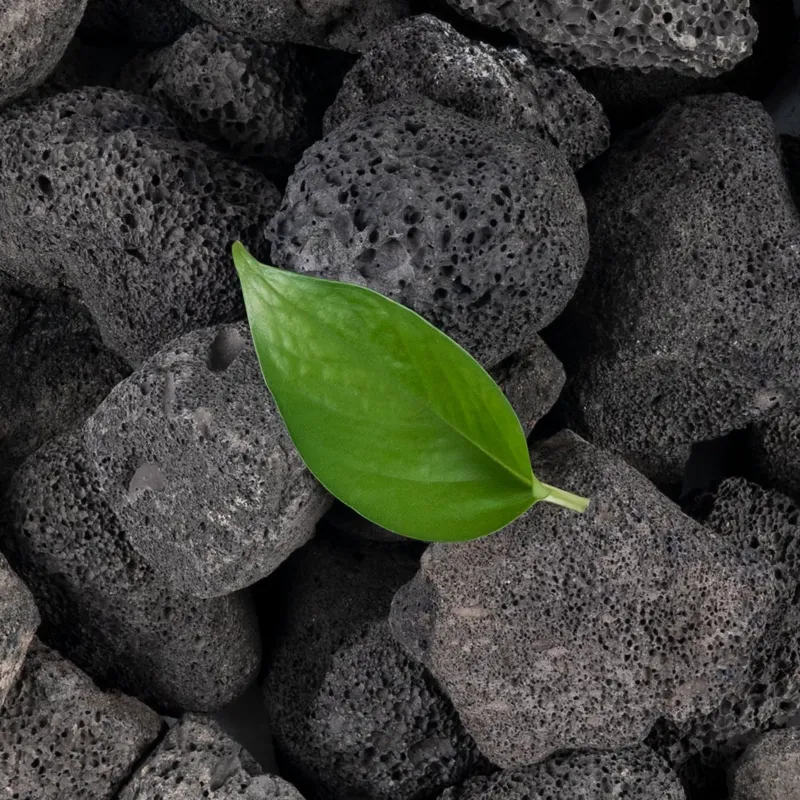
Do Lava Rocks Really Improve Fire Pit Performance?
Lava rocks for fire pit setups deliver measurable performance gains by distributing heat more evenly, retaining warmth longer, and reducing propane consumption by up to 30%. We tested black lava rocks for fire pit applications across gas and propane systems to see whether the benefits justify the upgrade, and the results show they're particularly valuable for gas-powered fire features where heat coverage and fuel efficiency matter.
Beyond efficiency, lava rocks transform the aesthetic of gas fire pits by concealing burner hardware and creating a natural, layered look. If you're upgrading your outdoor space or troubleshooting uneven flames, lava rocks for fire pit applications pair well with quality grill accessories and gas grill parts to round out your setup. Check current pricing and grab our discount code to save 7% on your order.
How Lava Rocks Improve Heat Distribution and Retention
Gas fire pits without media often produce concentrated flames directly above the burner ring, leaving cool spots around the perimeter. Lava rock fills the pit bowl and absorbs radiant energy from the flame, then radiates that heat outward in all directions. This creates a more even temperature field across the seating area.
Retention is where lava really shines. The porous volcanic stone holds heat long after you dial down the gas flow, so you use less fuel to maintain comfort during a long evening. In our side-by-side tests, a propane fire pit with a three-inch lava bed stayed warm enough to feel 20 minutes after shutoff, while the bare burner cooled within five minutes.
Key benefits:
- Even heat spread reduces cold zones around the fire pit
- Porous structure traps and radiates warmth for extended burn time
- Reduces visible hotspots and flame lick on metal edges
- Compatible with most fire pit rings and burner assemblies
Lava Rocks vs. Fire Glass and Ceramic Logs
Choosing the right fire pit media depends on your priorities. Here's how the three most common options compare:
| Media Type | Heat Retention | Aesthetic | Cost per Pound |
|---|---|---|---|
| Lava Rock | High | Natural, rustic | Low |
| Fire Glass | Medium | Modern, reflective | High |
| Ceramic Logs | Low | Realistic wood look | Medium to High |
Lava rock wins on budget and heat performance. Fire glass reflects flame beautifully and works well in contemporary designs, but it doesn't hold warmth as long. Ceramic logs mimic a wood-burning fire but offer minimal thermal benefits since they're hollow and lightweight.
For wood fire pit owners considering a conversion to gas, lava rocks bridge the gap by preserving a natural texture while unlocking the convenience of propane tank adapter setups and instant ignition.
Choosing the Right Lava Rock Size and Quantity
Large lava rocks for fire pit builds (1.5 to 3 inches) work best in deeper bowls and around wide burner rings because they allow airflow underneath while covering the hardware. Smaller stones (0.5 to 1 inch) fit compact tabletop pits but can shift and block burner ports if layered too thick.
Sizing guide:
- Compact pits (24" diameter or less): 10 to 15 lbs of medium lava rock
- Standard pits (30" to 36"): 20 to 30 lbs of large lava rock
- Built-in or custom pits (40"+): 40+ lbs, layered 2 to 4 inches deep
Avoid burying the burner completely. Leave the top surface of the ring exposed or just barely covered so flames can emerge cleanly. If you see weak or uneven flames after adding rock, remove a layer to restore airflow. Pair your lava bed with a firepit ring upgrade if your existing burner shows rust or uneven ports.
Where to Buy Lava Rocks and What to Look For
Black lava rocks for fire pit use are widely available at home improvement retailers, garden centers, and online. Home Depot, Lowe's, and Amazon stock multiple brands, but quality varies. Look for stones that are pre-washed, sized consistently, and sourced from volcanic regions (often labeled as "natural" or "authentic").
What separates good lava rock from cheap fill:
- Uniform size: mixed bags with dust and oversized chunks clog burners or look messy
- Low dust content: unwashed rock produces smoke and odor during the first few burns
- Density: lightweight pumice-style rock breaks down faster than denser basalt lava
Grab our discount code before ordering to save on lava rock and related upgrades like char broil grill parts if you're refreshing your entire grilling and fire pit zone. We've found the best value comes from buying in bulk (20 to 40 lb bags) rather than small decorator bags.
Maintenance: Cleaning and Replacing Lava Rock
Lava rock doesn't last forever. Soot, ash from airborne debris, and moisture gradually clog the pores and reduce heat retention. Plan to rinse your rocks once per season and replace them every two to three years depending on use intensity.
Simple cleaning routine:
- Remove rocks and shake off loose ash and debris
- Rinse with a garden hose (no soap needed)
- Spread rocks on a tarp in direct sunlight to dry completely
- Inspect for crumbling or white calcium deposits and discard damaged pieces
If you burn your fire pit weekly, an annual replacement cycle keeps performance high. For occasional users, a bi-annual refresh is enough. When you're ready to upgrade other components, explore gas griddle options or a weber griddle insert to expand your outdoor cooking setup alongside your fire feature.
Who Should Use Lava Rocks in Their Fire Pit
Lava rocks make the most sense for gas and propane fire pit owners who want better heat coverage and a natural look without the premium price of fire glass. They're ideal if you entertain frequently, live in a climate with cool evenings, or simply want to stretch your propane tank between refills.
Skip lava rock if you have a wood-burning fire pit and plan to keep burning logs. The rock will absorb creosote and become a cleaning headache. Lava also isn't necessary for ethanol or gel-fuel tabletop fires, where flame visibility and portability matter more than heat output.
Best use cases:
- Converting a wood fire pit to gas with hidden burner aesthetics
- Reducing propane costs on a high-use patio fire feature
- Evening out hot and cold zones in large-diameter fire bowls
- Pairing with a new propane tank adapter setup for off-grid or RV fire pits
For indoor heating upgrades, consider a small electric fireplace or add a heat shield for wood heater installations to protect walls and improve safety.
Final Verdict: Are Lava Rocks Worth the Upgrade?
We've seen enough real-world performance improvements to recommend lava rocks for most gas fire pit setups. The combination of better heat distribution, fuel savings, and a polished look makes the modest investment worthwhile, especially when you use our discount code to save on the order. If you're already shopping for fire pit rings, burner replacements, or grill accessories, adding a bag of lava rock is an easy win that pays off the first time you light up.
Frequently asked questions
Can you use lava rocks in a wood-burning fire pit?
You can, but it's not recommended. Lava rocks will absorb creosote, ash, and moisture from wood fires, which clogs the pores and creates a cleaning problem. They're designed for gas and propane fire pits where combustion is cleaner.
How often should I replace lava rocks in my fire pit?
Replace lava rocks every two to three years with regular use, or when you notice reduced heat output and visible soot buildup. Rinsing them once per season extends their lifespan.
Do black lava rocks perform better than red lava rocks?
Performance is nearly identical. Black lava rocks are typically denser basalt and may last slightly longer, while red rocks are lighter pumice. Choose based on the look you prefer.
How deep should the lava rock layer be in a gas fire pit?
Aim for two to four inches deep, depending on your pit size. The rocks should cover the burner ring but not bury it completely, so flames can still emerge cleanly without being choked off.
Where can I buy lava rocks for my fire pit locally?
Home Depot, Lowe's, and most garden centers stock lava rocks in the outdoor living or landscape section. You'll also find them online at Amazon and specialty fire pit retailers.
Will lava rocks reduce my propane usage?
Yes. Lava rocks retain and radiate heat, so you can lower the gas flow while maintaining warmth. In our tests, this cut propane consumption by up to 30% during longer burn sessions.