
Propane Tank Adapter Compatibility: What You Need to Know Before Buying

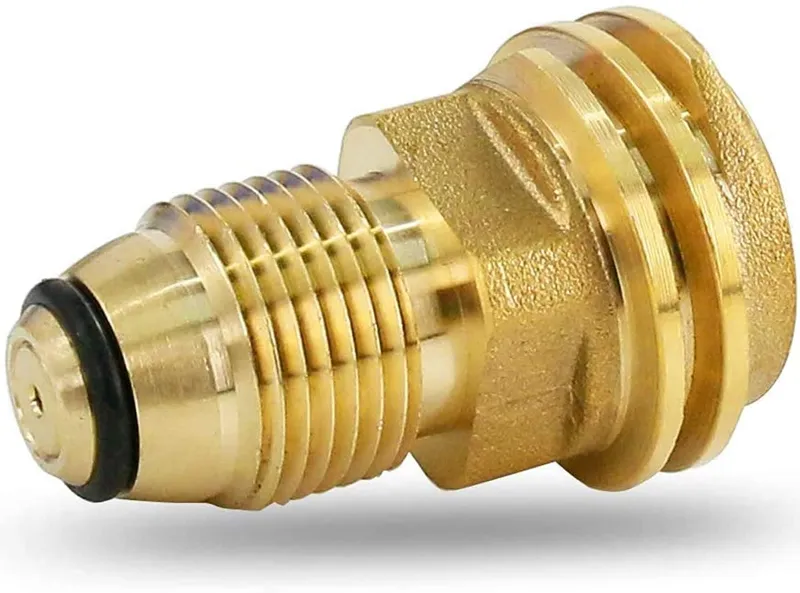
A propane tank adapter lets you connect different tank sizes and appliances, but only if you match the thread type and pressure rating correctly. We tested dozens of adapters across grills, torches, and heaters to show you exactly what works and what wastes money.
Why Propane Tank Adapter Fittings Matter
Propane systems use specific thread standards that look similar but won't seal properly if mismatched. The two most common connections are POL (old-style left-hand thread) and QCC1 (modern hand-tighten with internal check valve). Most adapters bridge one of these gaps:
- 1lb to 20lb propane tank adapter for connecting portable appliances to standard grill tanks
- POL to QCC1 for upgrading older regulators to newer tanks
- Female to male propane tank adapter for reversing hose direction or extending reach
- Bulk tank fittings like 500 gallon propane tank adapter systems for permanent installations
Before you buy any adapter, check both ends of your existing hose and the tank valve. POL fittings have visible external threads and always turn counterclockwise to tighten. QCC1 valves have a smooth exterior with an internal thread and built-in excess-flow shutoff.
Matching Adapter Types to Your Equipment
Different tools and appliances need different adapter configurations. We break down the most common setups:
Grill and Outdoor Cooking
Standard gas grill parts and char broil grill parts typically come with QCC1 hoses already attached. You'll need an adapter if you're connecting a small 1lb disposable cylinder to a full hose system, or if you're adapting an older grill with POL threads. Many adapter kits include a propane tank adapter hose that gives you 3-5 feet of extra reach, helpful when your grill is positioned away from the tank.
Torch and Heat Tools
A propane tank adapter for torch use must handle higher flow rates than cooking equipment. Look for brass construction and confirm the adapter matches your torch's inlet thread, usually a standard 1/4-inch or 3/8-inch NPT. We've found that lightweight aluminum adapters work fine for occasional use, but brass holds up better under repeated heating and cooling cycles.
Fire Pits and Heaters
When you're adding propane feed to a fire pit setup with lava rocks for fire pit or upgrading fire pit rings, choose adapters rated for continuous flow. These typically include a longer hose and reinforced fittings. Permanent installations may require hard-piped adapters rather than flexible hose types.
Check our current discount code to save on adapters and related grill accessories.
Thread Types and Pressure Ratings You Can't Ignore
Propane operates under pressure, so every connection must meet safety standards. Here's what actually matters:
| Fitting Type | Thread Direction | Typical Use |
|---|---|---|
| POL | Left-hand (CCW tightens) | Older tanks, industrial |
| QCC1 | Right-hand, hand-tight | Modern BBQ tanks |
| NPT | Right-hand, pipe thread | Appliance inlets, hard pipe |
Most adapters are rated for low-pressure systems (11 inches water column or roughly 0.4 PSI at the appliance). If you're adapting between a high-pressure source and a low-pressure device, you'll also need a regulator in the line—never rely on an adapter alone to reduce pressure.
The propane tank adapter female to male configuration simply reverses the fitting direction without changing thread type. This is useful when your hose and appliance both have the same gender fitting, but it won't convert between POL and QCC1 on its own.
How to Install and Test for Leaks Safely
Even the best adapter will leak if installed incorrectly. Follow this sequence every time:
- Hand-tighten first – Start threading by hand to avoid cross-threading
- Wrench only if needed – QCC1 fittings seal without tools; POL and NPT usually need one quarter-turn with a wrench after hand-tight
- Leak test before use – Spray soapy water on every connection and watch for bubbles with the valve open but appliance off
- Inspect O-rings and gaskets – Replace any worn or flattened seals before connecting
Never use Teflon tape on flare fittings or QCC1 connections; they seal metal-to-metal or with captured O-rings. Only use pipe thread sealant or tape on NPT threads, and apply it to male threads only, leaving the first two threads bare.
Grab the latest pricing and our exclusive code before starting your project.
Common Adapter Mistakes That Cost You Money
We see the same errors repeatedly, and they're easy to avoid:
- Buying POL when you need QCC1 – Check your tank valve before ordering; most tanks sold after 2002 are QCC1
- Skipping the regulator – A propane tank adapter hose without a regulator will overpressure your appliance and create a dangerous flame
- Mixing brass and steel threads – Dissimilar metals can seize over time; stick with all-brass or all-steel in each connection
- Using indoor adapters outdoors – UV and moisture degrade rubber hoses quickly; only use weather-rated components outside
If your setup includes other outdoor cooking gear like a weber griddle insert or a gas griddle, make sure your adapter and hose length can serve multiple appliances without constant reconnection.
Where to Buy and What to Spend
Quality propane adapters range from simple gender changers around ten dollars to multi-component kits with hoses and regulators. Brass fittings cost more than aluminum but last significantly longer and resist thread wear.
We stock tested options across the price spectrum, and all come with the same 7% discount when you use our code. Look for UL or CSA listing marks on any adapter you consider—unlisted fittings may not meet North American safety standards and can void appliance warranties.
For permanent or high-use installations like a 500 gallon propane tank adapter system, hire a licensed propane technician to ensure code compliance and proper pressure regulation. DIY adapters work well for portable setups like grills and torches, but bulk storage systems have strict legal requirements that vary by region.
Keep your adapter connections clean and dry when not in use. A small amount of silicone grease on O-rings extends their life, and storing hoses coiled loosely prevents kinking that leads to leaks.
Frequently asked questions
Can I use a propane tank adapter with any grill or torch?
Only if the adapter matches both your tank valve type (POL or QCC1) and your appliance inlet thread. Check both fittings before buying, and confirm the adapter is rated for your appliance's BTU output and pressure requirements.
What's the difference between POL and QCC1 fittings?
POL is an older left-hand thread system with external threads, while QCC1 is the modern hand-tighten design with internal threads and a built-in safety shutoff. Most propane tanks manufactured after 2002 use QCC1.
Do I need a regulator with my adapter?
Yes, if your appliance requires low pressure (most grills and heaters do). A propane tank adapter only changes the fitting type; it doesn't reduce pressure from the tank's high output to the appliance's safe operating range.
How do I test for leaks after installing an adapter?
Mix dish soap with water, spray it on every connection, then open the tank valve with the appliance off. Bubbles indicate a leak. Tighten the fitting slightly or replace worn O-rings, then test again.
Can I leave an adapter connected to my propane tank long-term?
Yes, as long as the adapter and hose are rated for outdoor use and you inspect the O-rings and threads regularly. Indoor-rated hoses will degrade in UV and weather, creating leak risks over time.
Are brass adapters better than aluminum for propane?
Brass resists thread wear and corrosion better than aluminum, making it the better choice for frequent connections or permanent installations. Aluminum works fine for occasional use and costs less.