
Life Jacket Types Explained: When a Type 3 Life Jacket Is the Right Pick for Boating

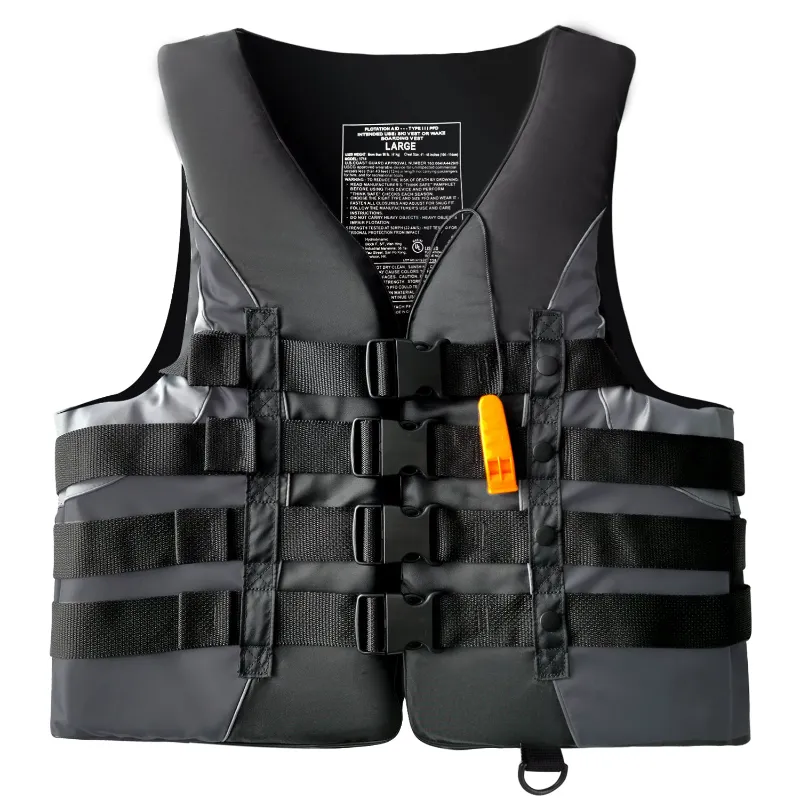
A type 3 life jacket is the right pick when you are boating in calm or nearshore water, you are a competent swimmer, and you expect a rescue to be quick. It is the most comfortable vest you can wear all day, which is exactly why it is the standard choice for fishing, tubing, water skiing, and casual pontoon or runabout boating. The trade-off: it is designed to keep you face-up with your help, not to turn an unconscious wearer automatically like a type 1 will.
If you outfit a boat, you probably already know us for boat seat upgrades and gear for the tow rig. Life jacket categories confuse a lot of buyers, so here is a plain guide to the types, the type 3 life jacket characteristics that matter, and when each type earns its place on your boat.
What a Type 3 Life Jacket Actually Is
A type 3 life jacket is a flotation aid built for conscious wearers in calm, inland water where rescue is close by. Per the USI Type III PFD overview, these vests offer good buoyancy and freedom of movement but are not guaranteed to turn an unconscious face-down wearer upright.
- Buoyancy: typically rated around the same foam level as most recreational vests, enough to keep a relaxed adult afloat
- Fit: snug, low-profile, and sized by chest size and weight range, not one-size-fits-all
- Comfort: the defining trait. Thin foam panels, wide arm cutouts, and soft liners make it wearable for hours
- Activity fit: many are built for a specific sport, like kayak fishing or waterskiing, with pockets, drainage, or impact panels
- Limitation: requires the wearer to be conscious and, ideally, a decent swimmer
Type 1 vs Type 2 vs Type 3: The Real Differences
The old numbering system still dominates listings and boating conversations, so it helps to compare the three head-to-head. We break the differences down in more depth in this life vest types explainer, but here is the short version:
| Type | Best For | Turns Unconscious Wearer Face-Up? | Comfort |
|---|---|---|---|
| Type 1 | Offshore, rough water, delayed rescue | Yes, most designs | Bulky, least comfortable |
| Type 2 | Nearshore, calm inland water | Yes, some designs | Moderate |
| Type 3 | Calm water, active sports, strong swimmers | No, wearer assists | Excellent, all-day wear |
Pick a type 1 life jacket if you run big open water or wear one as a backup offshore, where a rescue could take hours. Pick a type 2 for general nearshore boating where you want some self-righting ability at a lower cost. Pick a type 3 when you will actually wear it, because the best life jacket is the one on your body, not stuffed in a hatch.
When a Type 3 Life Jacket Is the Right Pick
Choose a type 3 when most of these match your situation:
- You boat on lakes, calm rivers, or nearshore water
- You or your passengers are reasonably confident swimmers
- Other people are on the boat who can help quickly
- The day involves paddling, fishing, tubing, skiing, or moving around a lot
- Comfort matters, because you plan to wear it the entire outing
Skip the type 3 and step up to a type 1 when you run offshore, boat solo in cold water, or carry non-swimmers on open water. Cold water changes the math too: shock and limited swim ability make the higher-flotation, self-righting types the safer call.
Type 3 Life Jackets for Adults: Fit Comes First
The most common mistake with type 3 life jackets for adults is buying by habit instead of by measurement. A vest that rides up past your ears in the water is a hazard, not protection.
- Measure chest size at the widest point and match it to the vest's stated size range.
- Check the weight range on the label; both numbers must fit the wearer.
- Do the snug test: fasten everything, then have someone lift the vest at the shoulders. It should not slide past your chin or ears.
- Adjust the side straps so the vest stays in contact with your torso when wet.
- Sit in it. A vest that pins against a low backrest all day will come off, guaranteed.
This matters double on boats with fixed backrests. When we test gear, we always pair the vest with seating that does not fight it, like a supportive boat seat with room behind the shoulders for a vest.
What Makes the Best Type 3 Life Jacket
There is no single best type 3 life jacket for everyone; the right one depends on the activity. Use these filters when comparing models:
- Activity match: ski vests cut high for mobility, fishing vests add pockets and tool tabs, paddle vests use short waists and high-cut armholes
- Foam and drainage: look for flexible segmented foam and mesh drainage so the vest does not turn into a sponge
- Closure system: zips plus at least two adjustable side straps beat zip-only designs
- Ratings and compliance: check the label for US Coast Guard approval or the newer USCG float rating, since requirements have been modernized
- Color: bright shells make a swimmer easier to spot
A quick word on shopping: we often see readers searching for a type 3 life jacket amazon listing and buying purely on price. Fit and activity match beat price every time, so check the size chart before the checkout button. And before you buy anything for the boat, grab the code for 10% off sitewide on Leader Accessories gear; you can also check the latest price there before committing.
Other Gear Worth Upgrading While You Are At It
If you spend weekends on the water, chances are you tow with a truck or haul an RV to the lake, and that is where we do our deepest testing:
- Protect the interior of the tow rig from wet swimsuits and lake grit with seat covers for trucks
- Keep the tow rig's finish and glass safe from branches and road grime with a fitted truck cover
- Shade the launch-ramp staging area with a pop up gazebo or add bug protection with a pop up screen tent
- For campers and trailers parked at the lake all season, properly fitted rv covers and camper cover options beat sun-faded gelcoat and cracked tires
The Bottom Line
A type 3 life jacket is the right pick for calm-water boating, active water sports, and anyone who will actually keep a vest on all day. Match it to your chest size, weight range, and activity, and keep a type 1 or throwable on board for open water or emergencies. Wear it, don't stow it. That single habit is the biggest safety upgrade you can make on any boat.
Frequently asked questions
Is a type 3 life jacket good for boating?
Not for every situation. A type 3 is ideal for calm inland water and strong swimmers who will wear it all day, but for offshore boating, cold water, or non-swimmers, a type 1 or type 2 with self-righting buoyancy is the safer choice.
What are the key type 3 life jacket characteristics?
The main difference is that a type 3 is not designed to turn an unconscious wearer face-up, while type 1 and most type 2 vests are. Type 3 vests trade that automatic righting for far better comfort and freedom of movement.
How do I know what size type 3 life jacket to buy?
Measure chest circumference at the widest point, match it to the vest's stated size and weight range, then do the snug test: have someone lift the vest at the shoulders while it is fastened, and it should not slide past your chin or ears.
What is the best type 3 life jacket for adults?
It depends on the activity: waterskiing and tubing favor high-mobility ski vests, kayak fishing favors vests with pockets and a short waist, and general boating favors a simple zip-and-strap design. Pick the vest built for how you actually use the water.
Can kids wear a type 3 life jacket?
Yes, as long as the vest is US Coast Guard approved (or carries the newer USCG float rating), fits the wearer correctly, and is appropriate for the water conditions. Always check the approval label before buying.
How should I care for a foam life jacket after a lake day?
Rinse it with fresh water, hang it to dry away from direct sunlight, and store it flat or loosely folded. Avoid leaving it in a hot vehicle or compressed under gear, since heat and pressure break down the foam over time.