
Will a Camper Cover Actually Protect Your RV Through Winter? What to Look for in a Waterproof Fit

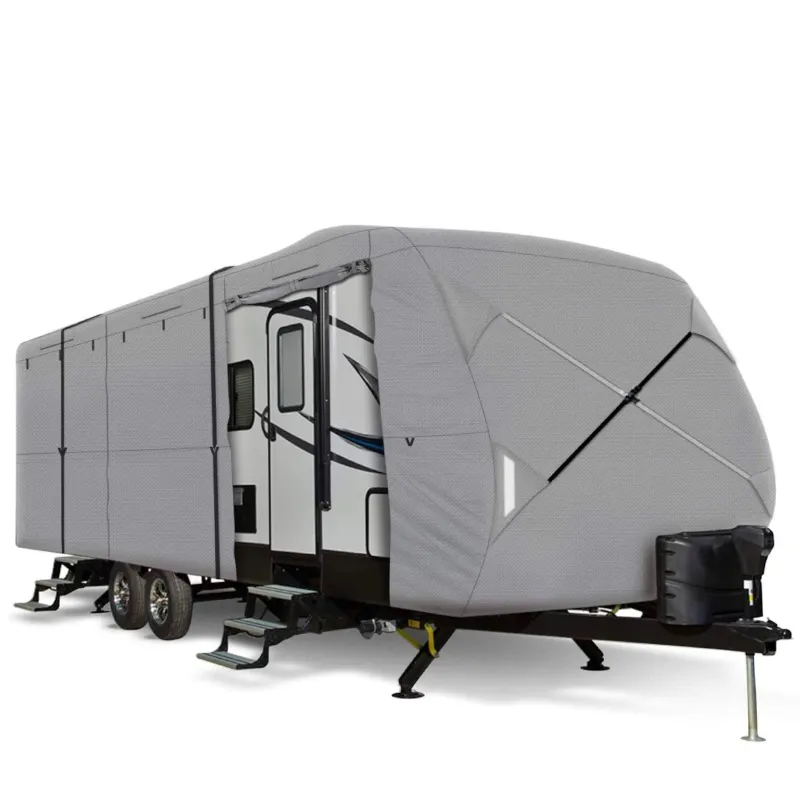
Yes, a properly fitted, waterproof camper cover genuinely protects your RV through winter, but only if you get three things right: the fit, the fabric, and the ventilation. A cheap, loose tarp can do more harm than good by trapping moisture and flapping against your finish. Here's how to pick a cover that actually earns its keep from the first snowfall to spring thaw.
Why a Camper Cover Matters More in Winter Than Any Other Season
Winter is the harshest test your RV will face all year. Snow load stresses the roof, ice dams work water into seams, freeze-thaw cycles crack caulking, and UV rays fade gel coat and rubber roof membranes even on gray January days. A quality cover also blocks the debris you can't see: bird droppings, sap, and road grime that etch into paint when they sit for months.
The key insight most buyers miss: winter protection is less about blocking water and more about managing moisture. A cover that seals perfectly tight becomes a humidity dome, and trapped condensation causes mold, mildew, and delamination. The best camper cover designs balance waterproof fabric with ventilation panels that let moist air escape.
Waterproof Camper Cover Fabrics: What Actually Holds Up
Not all waterproof means the same thing. You'll see three main material families when shopping rv covers:
- Polypropylene (non-woven): The budget standard. Breathes well, resists UV decently, but lighter layers can abrade in wind. Multi-layer versions (3-ply and up) handle winter far better.
- Polyester with waterproof coating: Denser weave, more tear-resistant, and coated versions shed rain and snow reliably. A good middle ground for four-season storage.
- Solution-dyed acrylic or heavy vinyl: Premium tier. Extremely durable and waterproof, but heavier, pricier, and some vinyl options breathe poorly, so venting matters even more.
Look for these features on any waterproof camper cover worth buying:
- Reinforced corner patches (corners are where covers tear first)
- Integrated air vents on opposing sides to release humidity
- Adjustable tension panels and straps to prevent wind flap
- Zippered access panels so you can check on the inside without stripping the cover off
- Elasticized hems or toss-bag systems sized to your rig's roof height
If you want to compare fabric grades and manufacturer reputations before you commit, RV Covers & Accessories by ADCO, Carver, Classic is a good reference point for what the major cover makers offer at each tier.
Sizing: Why a Camper Cover 28 FT or 30 FT Fit Beats Guessing
Fit is the single biggest predictor of whether your cover survives winter. Measure your rig from rear bumper to the farthest forward point, including the hitch-free body length, ladders, and spare tires if they extend past the body. Then round down to the nearest available size, not up.
Here's why: a camper cover 30 ft draped over a 28 ft travel trailer leaves billowing pockets that catch wind. Every gust works the fabric back and forth, and that abrasion is what turns a three-season cover into a one-season regret. A snug camper cover 28 ft on a 28 ft rig, tensioned properly, barely moves.
- Class C motorhomes and travel trailers with roof AC units need covers with extra roof height, often 8 ft or more of sidewall height listed in the specs.
- Fifth wheels need the front-cap profile accounted for; check the cover's shape, not just length.
- Pop-ups and teardrops can often use standard small covers, but verify door and access panel placement.
The guides from Choosing the Perfect RV Cover for Your Camper walk through measuring quirks for different rig types if yours is an odd shape.
Camper Cover vs. Tarp vs. Metal Carport
Budget is real, so let's compare the three common winter storage approaches honestly:
| Option | Moisture Control | Install Effort | Cost Level |
|---|---|---|---|
| Fitted camper cover | Good, with proper vents | 20-40 minutes, two people | Low to mid |
| Poly tarp + bungees | Poor, traps water in folds | Cheap but fiddly | Lowest |
| Camper cover metal carport | Excellent, no fabric contact | None after install | Highest |
A camper cover metal carport, meaning a rigid steel or aluminum shelter, is genuinely the gold standard if you own your storage spot and can spend the money. But for most owners, a fitted cover delivers 80% of the protection at a fraction of the cost. Tarps are the false economy: they abrade paint, tear in the first windstorm, and pool meltwater.
How to Install a Camper Cover So It Survives Storms
Even the best cover fails if it's installed wrong. Follow this sequence:
- Clean and dry the rig first. Trapped dirt grinds into the finish under the cover all winter. Never cover a wet or moldy camper.
- Pad sharp points. Wrap towel or foam over corner caps, mirror arms, exhaust stacks, and ladder edges.
- Roll, don't throw. Unroll the cover from front to back over the roof rather than dragging it up, which scratches gel coat.
- Tension evenly. Work front to back cinching straps in rotation, not one side tight first. Pull out wind pockets.
- Recheck monthly. After every big storm, walk the rig and re-tension anything that loosened. Ten minutes a month is the difference between a cover lasting one winter and five.
Who Should Buy Which Cover This Winter
- Full-timers or covered storage owners: You may only need a breathable top cover or skip fabric entirely.
- Driveway storage, snow country: Invest in a multi-layer waterproof cover with vents and reinforced corners. Our camper covers picks cover the common travel trailer and motorhome size ranges, and grab the code before checkout to cut the cost on any of them.
- Truck campers and toads: If you're also winterizing a tow rig or truck camper shell, a dedicated truck cover sized separately beats stretching one cover over two vehicles.
Where to Buy and What to Pay
Camper cover amazon listings flood the search results, and quality varies wildly between sellers that look identical. Our advice: buy from a store that stands behind the fit and specs, and check the latest price with our code applied. When comparing camper covers for winter, read the layer count, denier, and warranty length, not just the photo. Among the best travel trailer covers for winter, the pattern is consistent: more layers, better vents, longer warranty.
The bottom line: yes, a camper cover works through winter, and the difference between protection and damage comes down to snug sizing, breathable waterproof fabric, and honest tension checks. Do those three things and you'll unwrap a clean, dry rig in spring.
Frequently asked questions
Will a camper cover damage my RV's paint or roof?
Not if it fits snugly and the rig is clean and dry when covered. Damage almost always comes from loose covers flapping in wind or trapped grit rubbing against the surface, so tension the straps properly and pad sharp edges first.
How do I know if I need a camper cover 30 ft or 28 ft?
Measure your rig's actual body length, including any ladder or bumper that extends past the body, then choose the size closest to that number without going under. If you're between sizes, size down, because extra fabric catches wind and abrades the finish.
Should a waterproof camper cover have vents?
Yes, absolutely. Waterproof fabric without ventilation traps condensation underneath, which leads to mold and mildew over a long winter. Look for built-in vents on opposite sides so humid air can escape.
Can I leave my camper cover on all winter without checking it?
We don't recommend it. After heavy snow or wind storms, recheck the tension and clear excessive snow buildup if you can. A monthly five-minute walk-around keeps small problems from ruining the cover or the rig.
Is a metal carport better than a fabric camper cover for winter?
A rigid metal shelter protects slightly better and requires no seasonal maintenance, but it costs far more and needs a permanent spot. For most owners, a quality fitted cover delivers excellent protection at a much lower price.