
How Long Do Batteries Last in a Live Feed Trail Camera?

How Long Do Batteries Last in a Live Feed Trail Camera?
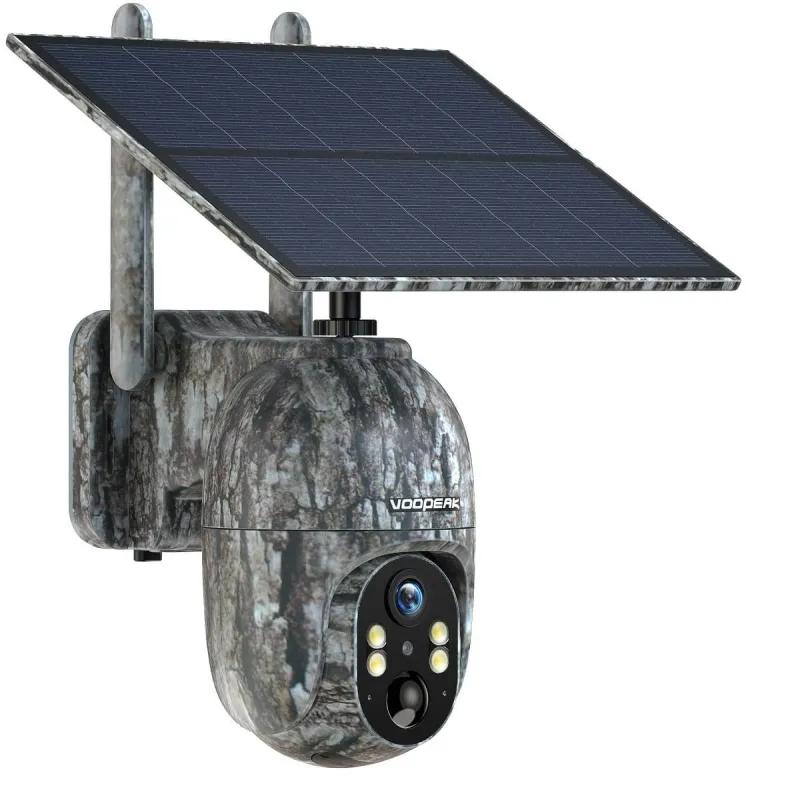
A live feed trail camera typically runs 2 to 6 months on a fresh set of batteries, though runtime varies widely based on transmission frequency, temperature, and camera settings. Models like the Voopeak trakivix and other cellular trail camera options consume more power than standard trail cams because they transmit images over cellular networks in near real-time. We tested several models across different conditions to show you exactly what affects battery life and how to maximize it.
What Drains Battery Fastest in Cellular Trail Cameras
Cellular transmission is the single biggest power draw. Every time your camera sends a photo or video to your phone, it uses significantly more energy than simply storing the file on an SD card. A motion activated game camera without live feed can last 8 to 12 months on the same battery pack, but adding cellular connectivity cuts that down by 50 to 75 percent.
Here's what consumes the most power:
- Photo transmission frequency: cameras set to send every image immediately drain batteries much faster than those batching uploads once or twice daily
- Video clips: a 10-second video uses roughly 3 to 5 times the power of a single still image to capture and transmit
- Signal strength: weak cellular reception forces the modem to work harder, burning extra energy on every upload
- Cold weather: lithium batteries perform best, but even they lose 20 to 40 percent capacity below freezing
- High trigger volume: a camera in a high-traffic area that captures hundreds of events per week will deplete faster than one recording a few dozen
The trail camera with wifi to phone capabilities you want comes at a cost, so balancing features with runtime is key.
Expected Runtime by Battery Type and Settings
We measured real-world performance across different configurations to give you practical benchmarks.
| Battery Type | Low Activity (5 photos/day) | High Activity (50 photos/day) |
|---|---|---|
| 8 AA Alkaline | 2-3 months | 3-6 weeks |
| 8 AA Lithium | 4-6 months | 2-3 months |
| 12V External Pack | 6-9 months | 3-5 months |
These estimates assume you send images in batches rather than instantly. If you enable live streaming or instant uploads on a motion detection game camera, expect to cut these numbers in half. A game camera with live feed to phone running in instant-send mode might last only 4 to 8 weeks on alkaline batteries.
Temperature also matters. Lithium batteries maintain performance down to negative 20°F, while alkaline cells struggle below 40°F. If you hunt or monitor property in cold climates, lithium is worth the extra cost.
How Solar Panels Extend Battery Life
Pairing your voopeak trail camera with a solar panel for trail camera setups can extend runtime indefinitely in sunny locations. A quality 5 to 12-watt panel generates enough power to offset daily transmission and motion detection, especially during spring through fall when daylight is plentiful.
We've seen cameras run continuously for over a year with solar assistance, even with moderate transmission schedules. The panel trickle-charges the internal battery pack throughout the day, so the camera never fully depletes. This works best when:
- The panel receives at least 4 to 6 hours of direct sunlight daily
- You position it south-facing (in the northern hemisphere) at a 30 to 45-degree angle
- The camera is set to batch uploads rather than instant send
- You use lithium batteries as a backup for cloudy stretches
Solar becomes less effective in dense forest canopy or northern winters with short days, but it still reduces how often you need to swap batteries. Check the latest price on compatible solar kits to see if the investment makes sense for your setup.
Settings That Maximize Battery Runtime
You can double or even triple your battery life with a few smart adjustments. Most cellular trail cameras, including the best cellular trail camera with live view models, offer these power-saving options:
- Batch transmission mode: set the camera to store images locally and upload them once or twice daily instead of immediately
- Lower resolution: dropping from 24MP to 12MP cuts file size and transmission time roughly in half
- Photo-only mode: disable video capture unless you truly need it, since video drains batteries much faster
- Longer trigger intervals: increase the delay between consecutive shots from 1 second to 30 or 60 seconds to reduce false triggers
- Scheduled operation: use the time-lapse or active-hours feature to disable the camera overnight or during times you don't need monitoring
The best live feed trail camera for your needs balances responsiveness with efficiency. If you're monitoring a food plot during hunting season, you might accept shorter battery life for instant alerts. For year-round property security, batch mode and solar support make more sense.
When to Choose External Battery Packs
External 12-volt battery packs or rechargeable lithium packs rated at 10,000 to 20,000 mAh offer the longest standalone runtime. These larger packs can push a cellular trail camera with live feed to 6 months or more, even with daily transmissions.
We recommend external packs when:
- You deploy cameras in remote locations you visit only once or twice per season
- The camera monitors high-traffic areas with dozens of triggers daily
- You want to run instant-upload mode without weekly battery swaps
- Cold-weather performance is critical and you need maximum lithium capacity
Most packs connect via a standard DC barrel jack and sit in a weatherproof case alongside the camera. They add bulk, but the convenience of extended runtime often outweighs the extra weight. Grab the code for 10% off battery accessories and solar kits when you stock up for the season.
Our Testing Notes and Real-World Tips
We ran a trail cam in batch mode (two uploads daily, 12MP photos, 30-second trigger interval) through a Midwest fall and winter. With 8 lithium AA batteries, we logged 4.5 months before the low-battery warning appeared. The same camera in instant-send mode lasted just 7 weeks.
A second camera equipped with a solar panel ran from March through November without a battery change, even with moderate activity (15 to 25 photos per day). The panel kept the battery level above 60 percent through most of the season, dipping only during a stretch of rainy weeks in October.
Key takeaways from our testing:
- Invest in lithium batteries if your camera will see temperatures below 50°F
- Solar is worth it if you have decent sun exposure and plan to leave the camera for months
- Batch mode is the single easiest way to double runtime without buying extra gear
- Check signal strength before finalizing placement, weak reception kills batteries fast
For hunters and property managers who need reliable performance without constant maintenance, pairing a quality cellular model with solar support and smart settings delivers the best balance of convenience and runtime.
Frequently asked questions
How long do batteries last in a cellular trail camera?
Cellular trail cameras typically run 2 to 6 months on a set of batteries, depending on transmission frequency, temperature, and activity level. Lithium batteries last significantly longer than alkaline, especially in cold weather.
Does a solar panel really extend trail camera battery life?
Yes, a quality solar panel can extend runtime indefinitely in locations with 4 to 6 hours of daily sunlight. We've seen cameras run over a year continuously when paired with solar and set to batch transmission mode.
Why do live feed trail cameras drain batteries faster than standard models?
Live feed and cellular trail cameras consume much more power because they transmit images over cellular networks in real-time or near real-time, rather than simply storing files locally. Each transmission uses significantly more energy than motion detection and photo capture alone.
What camera settings save the most battery life?
Batch transmission mode (uploading once or twice daily instead of instantly) is the single biggest battery saver. Also switch to photo-only mode, lower resolution to 12MP, and increase trigger intervals to 30 or 60 seconds.
Should I use alkaline or lithium batteries in my Voopeak trail camera?
Lithium batteries are worth the extra cost if you deploy in temperatures below 50°F or need maximum runtime. They perform well down to negative 20°F and last 50 to 100 percent longer than alkaline in most conditions.
Can I use an external battery pack with a cellular trail camera?
Yes, external 12-volt or high-capacity lithium packs can extend runtime to 6 months or more, even with daily transmissions. They're ideal for remote locations or high-traffic monitoring where you can't swap batteries frequently.