
What to Look for When Buying a Motion Detection Game Camera for Hunting

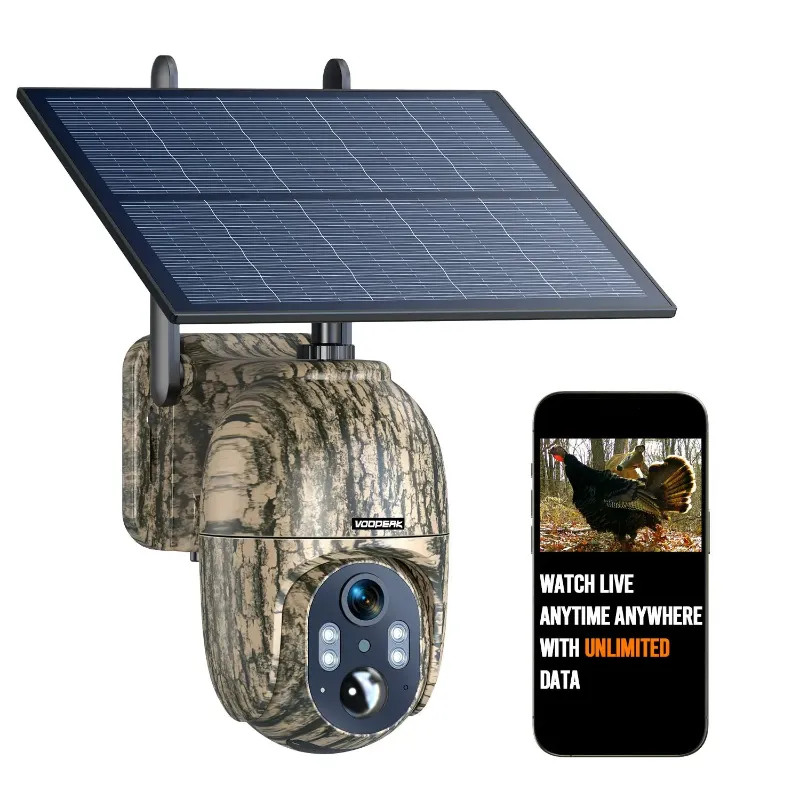
What to Look for When Buying a Motion Detection Game Camera for Hunting
A motion detection game camera delivers reliable hunting intel when it combines fast trigger speed, clear night vision, and durable weatherproof construction. We test dozens of trail cameras each season, and the difference between a camera that captures every deer pass and one that misses half your targets comes down to five core features. Whether you need a cellular trail camera for remote monitoring or a battery-powered unit for off-grid spots, this guide walks you through what actually matters.
Trigger Speed and Detection Range
Trigger speed determines whether you capture a buck mid-stride or just his tail disappearing from frame. We recommend cameras with trigger speeds under 0.5 seconds for hunting applications. Anything slower and you'll miss fast-moving game.
Detection range and angle work together to define your coverage zone. Most quality units detect motion 60 to 80 feet out with a 90 to 120-degree field of view. A motion activated game camera with a wider detection angle covers trails and food plots more effectively than narrow-beam models, but you'll burn through more photos if you mount it facing open fields where every branch sets it off.
Key specs to compare:
- Trigger speed: 0.3 to 0.5 seconds for deer-sized game
- Detection range: 60+ feet for open areas, 40+ feet for dense woods
- Detection angle: 100+ degrees for trail intersections, 60+ degrees for narrow choke points
- Recovery time: how quickly the camera resets between shots (under 1 second is ideal)
Night Vision Quality and Flash Type
Night vision separates cameras that deliver usable nighttime images from those that produce blurry shadows. We've tested three flash technologies, each with tradeoffs.
Infrared (IR) flash is the most common. It produces a faint red glow visible to some animals but captures clear black-and-white nighttime images out to 60 feet. Most trail cameras with night vision motion activated waterproof construction use IR because it balances image quality with battery life.
No-glow infrared eliminates the red glow entirely, making the camera invisible at night. It's ideal for security applications or pressure-heavy hunting areas where educated bucks notice IR flash. The tradeoff: slightly shorter flash range (40 to 50 feet) and marginally lower image clarity.
White flash captures full-color nighttime photos but spooks game with a bright burst. We only recommend it for property security or camera trap research where spooking animals doesn't matter.
For most hunting scenarios, standard IR delivers the best balance of image quality, flash range, and cost. If you're scouting mature bucks that pattern your cameras, invest in no-glow.
Battery Life and Power Options
Battery performance in the field rarely matches manufacturer claims. Cold weather, high photo volume, and cellular transmission all drain power faster than lab tests suggest.
A quality voopeak trail camera running on eight AA batteries typically delivers 3 to 6 months of use capturing 20 to 30 photos per day. If you're shooting video or transmitting images over cellular, expect half that. Check the latest pricing and specs to compare battery configurations across current models.
Power strategies for longer deployments:
- Use lithium batteries in cold climates (they outperform alkaline below 40°F by 40 percent or more)
- Pair battery-powered units with a solar panel for trail camera charging on south-facing mounts
- Choose cellular models with photo scheduling to limit transmission during off-peak hours
- Set cameras to photo mode instead of video (video drains batteries 3x faster)
Solar panels work well for cameras mounted in openings with 4+ hours of direct sunlight daily. In dense timber, solar rarely provides enough juice to offset cellular transmission.
Cellular Connectivity vs. SD Card Storage
Cellular cameras let you monitor hunting spots without spooking game with check-in visits, but they add monthly data costs and require cell signal. We use both types depending on the location.
A cellular trail camera makes sense when you're managing multiple properties, checking cameras more than twice per week, or monitoring access points where human scent matters. Most plans run $10 to $20 monthly for 1,000 to 5,000 photo transmissions. The Voopeak trakivix and similar models often bundle the first month free, then charge per image or offer unlimited plans.
When cellular pays off:
- Properties 30+ minutes from home
- High-security areas where theft is a concern (receive alerts before someone steals the camera)
- Scouting during season when you can't risk bumping deer
- Managing 5+ cameras across multiple locations
SD card cameras cost less upfront and work anywhere, but you'll need to pull cards every 2 to 4 weeks. For small properties you visit regularly or budget-conscious setups, SD storage delivers the same image quality without recurring fees. Some hunters run hybrid setups, using cellular cameras on key travel corridors and SD models on secondary spots.
Weather Resistance and Build Quality
Hunting cameras live outdoors year-round through rain, snow, humidity, and temperature swings. We've seen cheap housings crack after one winter and premium units run 5+ seasons without issues.
Look for cameras rated IP66 or higher (dust-tight and protected against powerful water jets). The housing should have gasket-sealed battery and SD compartments with locking latches, not friction-fit doors that pop open. Trail cameras with night vision motion activated waterproof construction typically feature rubber gaskets around every opening and recessed ports.
Durability features that matter:
- IP66 or IP67 rating (full dust protection, water jet or immersion protection)
- UV-resistant plastic housing (prevents sun damage and cracking)
- Steel security case compatibility (deters theft and bear damage)
- Operating temperature range of -20°F to 120°F
- Sturdy mounting strap with metal buckle (plastic clips break)
Bears occasionally chew camera housings out of curiosity. In bear country, mount cameras 8+ feet high or use a steel security box. We also wipe down housings with unscented cleaner to remove human odor and attractant residue.
Image Quality and Resolution
Resolution matters less than most marketing suggests. A 20-megapixel camera doesn't deliver twice the useful detail of a 12-megapixel model when both use the same lens and sensor size.
We find 12 to 16 megapixels hits the sweet spot: enough resolution to identify individual deer and antler characteristics without bloating file sizes. Higher resolutions fill SD cards faster and take longer to transmit over cellular. A live feed trail camera with moderate resolution and a quality lens will outperform a high-megapixel camera with cheap optics every time.
Evaluate image quality by:
- Daytime color accuracy (can you distinguish doe vs. button buck at 40 feet?)
- Nighttime IR clarity (are antler points and body size clearly visible?)
- Motion blur at close range (does a trotting deer stay sharp or blur?)
- Consistent exposure across the frame (are edges as clear as the center?)
Video capability adds versatility for analyzing deer behavior and movement patterns. We set cameras to 10 to 15-second video clips to capture entry and exit directions without killing battery life. Photo-only models work fine if you're just inventorying bucks and timing activity.
Where to Save Money and Where to Invest
Budget cameras under $60 compromise on trigger speed and build quality. Mid-range models from $80 to $150 deliver solid performance for most hunting applications. Premium cameras above $200 add cellular connectivity, faster processors, and longer warranty coverage.
We recommend investing in 2 to 3 quality cameras over 5 to 6 budget models. Reliable trigger speed and durability matter more than camera count when you're patterning deer. Grab our discount code to save 10% on Voopeak models, which consistently test well in the $100 to $180 range.
Accessories worth buying separately include lithium batteries for cold weather, SD cards rated for outdoor temperature extremes (not standard photo cards), and locking security boxes in high-traffic areas. Skip gimmicks like Bluetooth connectivity and built-in screens that add cost without improving scouting intel.
For property owners considering trail cameras for security applications beyond hunting, the same features that capture wildlife movement also monitor access points and structures. Many hunters reference community recommendations when choosing between models, and the consensus points toward fast trigger speed and reliable night vision as non-negotiable features regardless of use case.
The best motion detection game camera for your situation balances the features you'll actually use with your budget and monitoring strategy. A basic motion detection game camera with solid fundamentals will outperform a feature-loaded model with slow triggers or poor weatherproofing every season.
Frequently asked questions
What trigger speed do I need for a motion detection game camera?
For hunting applications, look for trigger speeds under 0.5 seconds. Cameras with 0.3-second triggers capture deer and other fast-moving game before they leave the frame, while slower triggers often miss the shot entirely.
Do cellular trail cameras require a monthly fee?
Yes, most cellular trail cameras require a data plan ranging from $10 to $20 per month for 1,000 to 5,000 photo transmissions. Some models include the first month free, and unlimited plans are available from certain manufacturers.
How long do batteries last in a trail camera?
Quality trail cameras running on eight AA batteries typically last 3 to 6 months when capturing 20 to 30 photos daily. Cold weather, video recording, and cellular transmission reduce battery life by 40 to 50 percent. Lithium batteries outperform alkaline in cold conditions.
What weatherproof rating should I look for?
Choose cameras rated IP66 or higher for year-round outdoor use. This rating ensures dust-tight construction and protection against heavy rain and water jets. Look for gasket-sealed compartments and UV-resistant housing for long-term durability.
Is infrared or no-glow flash better for hunting?
Standard infrared flash delivers better image quality and range (60 feet) but produces a faint red glow. No-glow infrared eliminates the glow entirely for pressured hunting areas but reduces flash range to 40-50 feet. For most hunters, standard IR offers the best balance.
Can I use a solar panel to extend battery life?
Solar panels work well for cameras mounted in openings with 4+ hours of direct sunlight daily. They're most effective with battery-powered models in open areas. In dense timber, solar panels rarely generate enough power to significantly extend battery life, especially for cellular cameras.