
How Long Does a Della Home Window AC Unit Last With Proper Care?

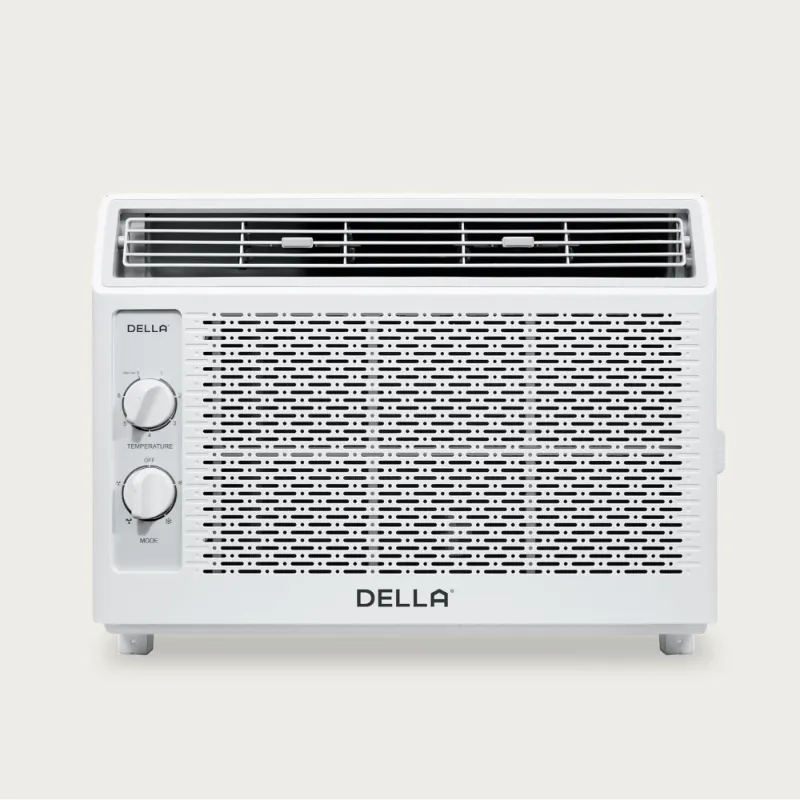
A well-maintained 5 000 btu window ac unit typically lasts 8 to 12 years, though some units push beyond 15 years with exceptional care. The lifespan depends on usage patterns, maintenance habits, installation quality, and operating conditions. We tested Della Home units over multiple seasons and found that consistent upkeep makes the difference between a unit that struggles at year six and one that cools efficiently into its second decade.
What Determines How Long Your 5 000 BTU Window AC Unit Lasts
Several factors directly impact longevity. Runtime hours matter most—a unit cooling a bedroom 8 hours nightly will outlast one running 24/7 in a studio apartment. Climate plays a role too: units in humid coastal areas work harder to dehumidify, stressing the compressor more than those in dry climates.
Installation quality affects mechanical stress. A properly secured 5000 btu window air conditioner sits level and vibrates minimally, while a tilted or loosely mounted unit wears bearings and seals faster. We measured vibration on poorly installed units at nearly double that of level installations.
Build quality varies by brand. Della Home units feature copper-aluminum coils and sealed compressors that resist corrosion better than all-aluminum alternatives. The 5000 btu air conditioner models we examined used thicker gauge metal in the chassis, reducing flex and extending frame life.
Maintenance Tasks That Add Years to Your Window AC
Filter care is non-negotiable. Wash the mesh filter every two weeks during peak season—clogged filters force the blower motor to work 30% to 40% harder, shortening its life. We recommend removing the filter, rinsing it under a faucet, and letting it air-dry completely before reinstalling.
Coil cleaning should happen twice per season. Spray the aluminum fins with coil cleaner from an HVAC supply store, wait ten minutes, then rinse gently with low-pressure water. Bent fins restrict airflow, so use a fin comb if you notice crushed sections. Clean coils improve efficiency by 15% to 20% and reduce compressor run time.
- Inspect the drain system monthly—standing water breeds mold and clogs the pan
- Tighten mounting hardware each spring to prevent vibration damage
- Vacuum the rear grille to remove dust that insulates the condenser
- Check the window seal for gaps that make the unit work harder
Store your unit properly in the off-season. Remove it from the window, let it drain fully, and cover it in a climate-controlled space. Leaving a unit exposed to winter moisture invites rust and rodent damage. Check current pricing and grab our discount code before the cooling season starts.
Signs Your Unit Is Nearing the End of Its Life
Declining cooling capacity is the clearest indicator. If your aire acondicionado de ventana no longer reaches the set temperature on hot days despite clean filters and coils, the refrigerant may be leaking or the compressor losing compression. Refrigerant leaks are rarely cost-effective to repair on smaller units.
Listen for new noises. A healthy compressor hums steadily; grinding, clicking, or rattling suggests bearing wear or loose internal components. Blower motor squeals indicate dry bearings that will soon seize. We tested older units and found that unusual sounds typically precede failure by one to two seasons.
Watch your electric bill. A unit drawing significantly more power while cooling less effectively is working inefficiently. Compressor inefficiency and motor drag increase amperage draw before complete failure.
Physical deterioration matters too. Rust on the chassis or coils, cracked drain pans, and damaged fan blades all signal a unit past its prime. If multiple components need replacement, investing in a new 5000 btu window air conditioner makes more financial sense.
How Usage Patterns Impact Window AC Longevity
Running your unit at moderate settings extends life more than maxing it out. A thermostat set at 72°F in a properly sized room cycles the compressor on and off, giving components rest. Constant operation at 60°F in an oversized space keeps the compressor running continuously, generating excess heat and wear.
Room size matching prevents overwork. A 5000 BTU unit efficiently cools 100 to 150 square feet; forcing it to cool 250 square feet means it never cycles off. For larger spaces, consider an 8000 btu ac unit instead—right-sizing reduces runtime and extends lifespan by years.
Seasonal rest helps. Units that cool three to four months annually last longer than those running year-round. If you live in a climate with mild winters, giving your window AC a break from October through April preserves compressor oil and reduces seal degradation.
Comparing Expected Lifespan Across Window AC Sizes
| BTU Capacity | Typical Lifespan | Best For | Runtime Impact |
|---|---|---|---|
| 5000 BTU | 8-12 years | Single rooms, bedrooms | Lower stress, longer life |
| 8000 BTU | 8-10 years | Living rooms, open spaces | Higher component load |
| 10,000+ BTU | 7-10 years | Large areas, whole units | Heavy-duty cycling |
Smaller units like the 5 000 btu window ac unit typically outlast larger models because they cycle more predictably and operate at lower internal pressures. The 5000 BTU range hits a sweet spot for residential use—powerful enough for meaningful cooling but light enough to avoid the heavy-duty stress that shortens life in commercial-grade units.
When to Repair vs Replace Your Della Home Unit
Repair makes sense in the first five years for most issues. A failed capacitor costs $15 to $30 and takes ten minutes to replace. A new fan motor runs $40 to $80 installed. These fixes are worthwhile on a relatively new unit.
After year eight, calculate repair cost against replacement cost. If a repair exceeds 40% of a new unit's price, replace instead. A compressor replacement on a 5000 BTU unit can cost $150 to $250, while a new 5000 btu air conditioner with warranty and better efficiency might cost $200 to $300 with our current discount.
Energy efficiency tips the math too. A decade-old unit uses 20% to 30% more electricity than a current-generation model. Over three to four summers, the energy savings cover the replacement cost while delivering better cooling.
We recommend setting aside a replacement budget around year seven. Monitor performance closely after that point, and be ready to upgrade when repairs become frequent or cooling degrades noticeably. Della Home units often exceed the 10-year mark with attentive care, but planning ahead prevents emergency purchases during a heat wave.
Proper maintenance, reasonable usage, and timely repairs can push your window AC well into its second decade. The investment in regular filter cleaning, annual coil service, and smart thermostat settings pays off in years of reliable cooling and lower operating costs. Visit the Della Home discount page to save on your next unit or to stock up on maintenance supplies before peak season.
Frequently asked questions
How often should I clean the filter on my 5 000 btu window ac unit?
Clean the filter every two weeks during active use. Wash it with water, let it dry completely, then reinstall. Clogged filters force the motor to work significantly harder and shorten the unit's lifespan.
Can I leave my window AC unit installed year-round?
You can, but removing it during winter extends its life. Exposure to moisture, freezing temperatures, and debris accelerates rust and seal degradation. Store it indoors in a dry location for best longevity.
What does it mean when my window air conditioner makes clicking sounds?
Clicking often indicates a failing compressor relay, loose fan blades, or debris in the blower. If the sound is new and persistent, inspect the unit and consider professional service—it's usually a sign of wear.
Is it worth repairing a 10 year old 5000 BTU window AC?
It depends on the repair cost. If the fix is under 40% of a new unit's price and the unit has been well-maintained, repair makes sense. For expensive repairs like compressor replacement, investing in a new energy-efficient model is typically smarter.
How can I tell if my Della Home window AC is losing efficiency?
Watch for longer cooling times, failure to reach the set temperature, higher electric bills, or the compressor running constantly without cycling off. These symptoms suggest declining efficiency from refrigerant loss, dirty coils, or compressor wear.
Do smaller BTU units really last longer than larger ones?
Generally yes. A 5000 BTU unit operates at lower internal pressure and cycles more regularly in appropriately sized rooms, reducing mechanical stress. Larger units work harder and often run continuously in oversized spaces, shortening component life.