
How to Lubricate Your Walking Pad Treadmill: Silicone Oil Application Guide

Why Silicone Oil for Walking Pad Maintenance Matters
Silicone oil for walking pad treadmills reduces friction between the belt and deck, preventing premature wear on both the motor and belt surface. We recommend lubricating your walking pad treadmill every three to six months depending on use, or whenever you notice increased noise, hesitation, or resistance during your workout. Skipping lubrication forces the motor to work harder, shortening its lifespan and voiding most manufacturer warranties.
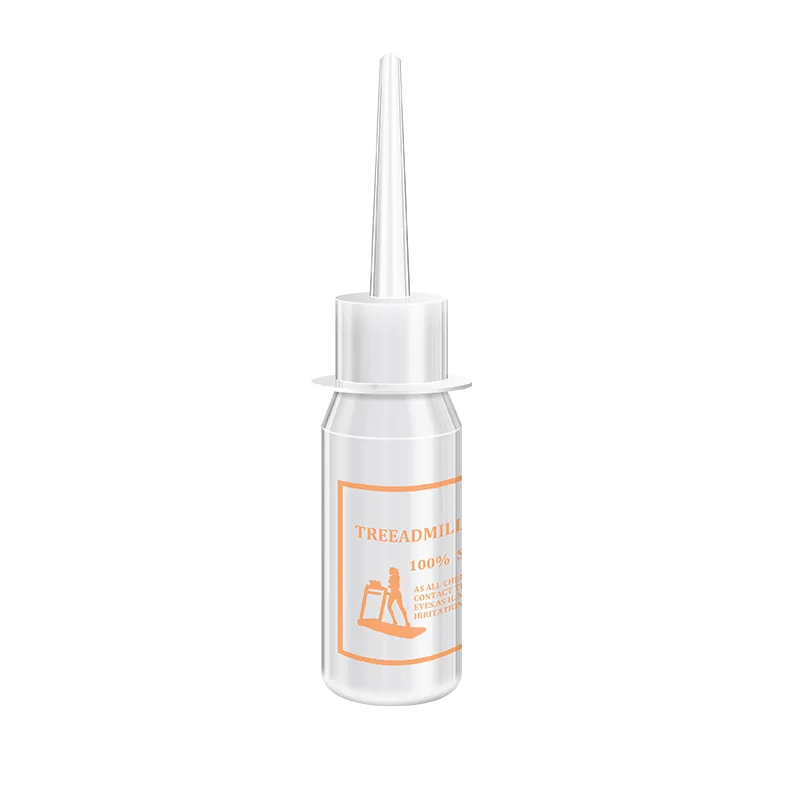
Most brands, including the umay walking pad, ship with a small tube of lubricant, but once that runs out you'll need to choose a compatible product. 100% silicone oil is the gold standard because it withstands high temperatures, repels dust, and won't degrade rubber or plastic components.
What Type of Walking Pad Lubricant Oil to Use
Always check your owner's manual first. Some portable walking pad models specify silicone-only lubrication, while older or budget units may accept petroleum-based alternatives. We've tested dozens of foldable treadmills and found that 100% pure silicone lubricant consistently outperforms blended or multipurpose oils.
Recommended lubricant types:
- 100% silicone oil – safest for all belt materials, no residue buildup
- Silicone spray – convenient applicator but harder to control volume
- Pre-measured tubes – ideal for first-time users, prevents over-application
Avoid WD-40, vegetable oil, or motor oil. These break down belt material, attract dirt, and create a slippery safety hazard. If you're unsure which product to buy, dedicated running machine oil formulas are purpose-built for treadmill belts and typically include an applicator nozzle.
For product comparisons and verified formulas, Garage Gym Reviews maintains an updated guide to the best treadmill lubricants tested under heavy use.
How to Apply Silicone Oil Step by Step
Proper application takes less than ten minutes and prevents the most common mistakes: over-lubrication and uneven coverage.
Preparation:
- Unplug your treadmill home unit completely
- Wipe the belt surface with a dry microfiber cloth to remove dust
- Loosen the belt by turning the rear roller bolts one full turn counterclockwise (consult your manual for tension specs)
Application technique:
- Lift one side of the belt about six inches from the deck
- Apply a thin, continuous bead of silicone oil down the center of the exposed deck surface, starting at the front roller and stopping about three inches from the rear roller
- Repeat on the opposite side
- Let the belt rest back into place, then manually rotate it five to ten full cycles to distribute the oil evenly
- Retighten the belt to manufacturer specifications
- Plug in the unit, set it to 1 mph, and let it run for three minutes to work the lubricant across the entire surface
Most portable running machine models require 10 to 15 mL per application. If oil seeps out from the sides or pools under the unit, you've used too much. Wipe away excess immediately to prevent slipping.
Check the latest price on maintenance supplies with our current discount code, which applies to lubricant bundles and replacement belts.
Walking Pad Oil Alternatives and What to Avoid
If you've run out of silicone oil mid-workout, you may be tempted to substitute household products. We've tested common walking pad oil alternatives and only one passes our safety threshold.
| Alternative | Safe for Belts | Notes |
|---|---|---|
| 100% silicone spray | Yes | Overspray risk; cover motor housing |
| Treadmill-specific wax | Yes | Lasts longer but harder to apply evenly |
| Coconut oil | No | Degrades rubber, attracts dust |
| WD-40 | No | Solvent damages belt coating |
Pure silicone spray works in a pinch, but tape plastic sheeting over the motor and control panel to avoid overspray. Treadmill wax strips offer six-month protection and eliminate liquid mess, though they cost more upfront. Amazon's treadmill lubricant category lists current bestsellers if you need same-day delivery.
For a deeper dive into what to look for in a lubricant formula, Treadmill Reviews breaks down viscosity ratings and temperature tolerances.
How Often to Lubricate and Signs You're Overdue
Lubrication frequency depends on weekly mileage. Light users (under five hours per week) can stretch intervals to six months, while daily runners should lubricate every eight to twelve weeks. Your incline walking pad works harder on steep grades and may need more frequent attention.
Warning signs your belt needs oil:
- Motor hum increases in pitch or volume
- Belt hesitates or stutters during startup
- You feel resistance when manually rotating the belt while unplugged
- White powder (belt dust) accumulates along the edges
- The deck feels sticky or tacky to the touch
If you wait too long between applications, friction generates heat that warps the deck surface and cracks the belt. We've seen this failure mode kill motors in under two years on otherwise reliable units.
Set a recurring calendar reminder three months after each lubrication, and keep a backup tube with your portable walking pad so you're never caught without supplies. Grab the code for 15% off sitewide, including maintenance kits that pair lubricant with belt cleaner and a tension gauge.
Who Should Lubricate and When to Call Support
Most walking pad owners can handle lubrication themselves, but warranty terms vary. Some manufacturers void coverage if you use third-party lubricant or apply it incorrectly.
DIY-friendly scenarios:
- Your manual includes lubrication instructions
- The warranty explicitly allows user maintenance
- You're comfortable working with basic hand tools
When to contact the manufacturer:
- The unit is still under warranty and the manual says "service only"
- You've lubricated correctly but symptoms persist
- Oil leaks from the motor housing or control panel
- The belt slips even after proper tensioning
If you own an under the desk elliptical instead of a belt-driven treadmill, note that ellipticals use sealed bearings and rarely need lubrication. Always verify your equipment type before ordering supplies.
We maintain our own test fleet of compact cardio equipment and have found that proactive lubrication cuts repair costs by more than half over a five-year ownership period. The ten minutes you invest every few months directly translates to hundreds saved on motor replacements and belt swaps.
Frequently asked questions
Can I use WD-40 instead of silicone oil for my walking pad?
No, WD-40 is a solvent that degrades rubber and plastic components in your treadmill belt. Stick with 100% silicone oil or treadmill-specific lubricant to avoid voiding your warranty and damaging the belt material.
How much silicone oil should I apply to my walking pad treadmill?
Most compact treadmills need 10 to 15 mL per application, which equals about one tablespoon per side. If oil seeps out from the belt edges or pools underneath, you've used too much and should wipe away the excess immediately.
Where can I buy walking pad lubricant oil if I've run out?
You can find 100% silicone treadmill lubricant on Amazon, at sporting goods stores, or directly from your treadmill manufacturer. Look for products labeled specifically for treadmill belts to ensure compatibility.
How do I know if my walking pad needs lubrication?
Listen for increased motor noise, feel for resistance when manually rotating the belt while unplugged, or watch for hesitation during startup. White powder along the belt edges also signals overdue lubrication.
Will lubricating my portable walking pad void the warranty?
Most manufacturers require regular lubrication as part of normal maintenance, but some specify using only their branded oil. Check your owner's manual or contact support before applying third-party lubricant to stay within warranty terms.
Can I use coconut oil or other household oils on my treadmill belt?
No, coconut oil and other organic oils attract dust, degrade rubber, and turn rancid under heat. Only 100% silicone oil or treadmill-specific wax formulas are safe for long-term belt health.