
Calf Raise Block Buying Guide: Height, Material, and Stability Explained

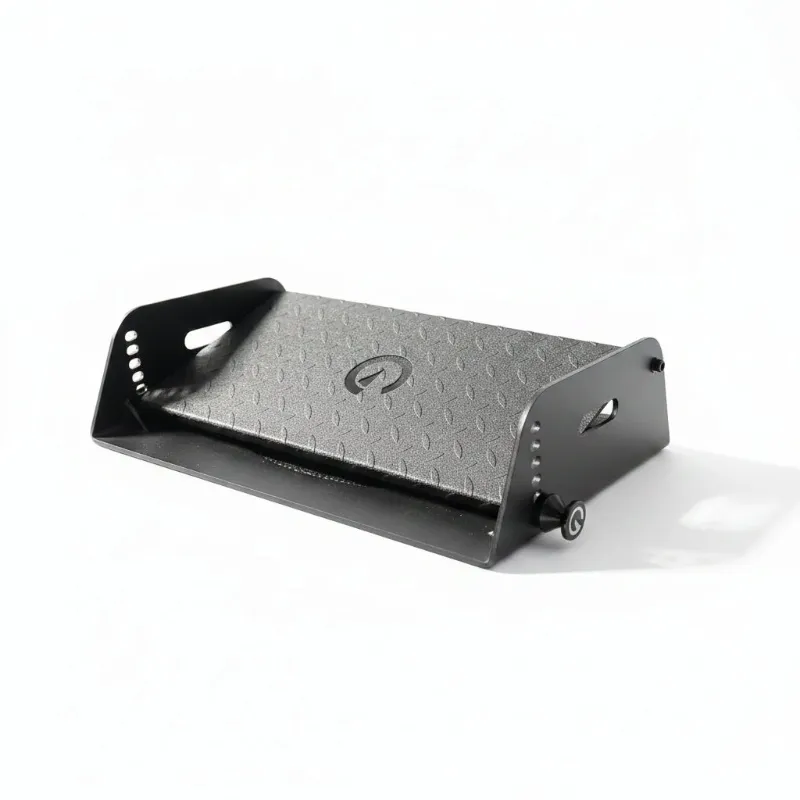
A calf raise block elevates your forefeet to maximize range of motion during standing and seated calf raises, targeting the gastrocnemius and soleus more effectively than flat-ground training. Whether you train in a commercial facility or a garage gym, the right block gives you a stable platform to stretch deeper at the bottom and contract harder at the top, driving real hypertrophy in stubborn lower legs.
We tested blocks across height, material, and load capacity to help you choose the setup that matches your training style. This guide walks through the specs that matter, compares wood and steel options, and explains how to pair a calf raise block with the rest of your lower-body toolkit.
Why Height and Range of Motion Matter
The primary job of any standing calf raise block is to drop your heels below the level of your toes at the bottom of each rep. That dorsiflexion stretch activates more muscle fibers and lengthens the working range, especially when you load heavy with a barbell or in a Smith machine.
Most commercial blocks sit between 3 and 5 inches tall. We found 4 inches to be the sweet spot for most lifters: tall enough to achieve a deep stretch without hyperextending the ankle, yet low enough to stay stable under 300+ lb loads. Taller blocks (6+ inches) can feel unstable and may force your knees forward, shifting tension away from the calves. Shorter blocks (2 inches or less) deliver minimal range advantage over standing on a standard weight plate.
If you are exploring a calf raise block diy approach, stick to the 3.5 to 4.5 inch range for your build height. Many home-gym builders report success with stacked plywood or 2x4 lumber, though commercial units add rubberized tops and beveled edges that DIY often lacks.
Material Showdown: Wood vs. Steel vs. Composite
Material directly affects weight capacity, grip, and long-term durability. Here is how the three most common options stack up.
| Material | Weight Capacity | Pros | Cons |
|---|---|---|---|
| Hardwood (Maple, Birch) | 500–800 lb | Natural grip, quiet, DIY-friendly | Can warp in humidity, may need sanding |
| Steel (Welded or Cast) | 800–1,200 lb | Indestructible, compact footprint | Slippery when wet, cold to touch |
| Composite / Rubber-Coated | 400–600 lb | Non-slip surface, weather-proof | Heavier than wood, limited height options |
We prefer hardwood for home gyms where you control climate and need a quiet platform. The textured surface grips barefoot or in lifting shoes, and you can sand or re-stain scratches. Steel blocks dominate commercial settings because they survive decades of abuse, but the slick surface demands chalk or textured tape if you train in socks.
Composite blocks often blend a polymer shell with a rubber top, making them ideal for outdoor setups or garages that see temperature swings. Check the latest price to compare material upgrades within your budget.
Stability and Footprint: What to Test Before You Buy
A wobbly block kills your focus mid-set and risks ankle rolls under load. Stability comes down to three design factors:
- Base width – Look for a footprint at least 12 inches wide and 10 inches deep. Narrow blocks (under 10 inches wide) tip forward when you lean into the top of the movement.
- Anti-slip bottom – Rubberized feet or textured pads prevent sliding on gym mats or concrete. Avoid bare wood or metal bases unless you anchor them to a platform.
- Beveled vs. flat edges – A gentle bevel (15–20 degrees) guides your foot into position and reduces trip hazards. Flat-top blocks with sharp corners are harder to mount in the middle of a high-rep set.
If you are pairing your block with a glute ham developer or ghd machine for a full posterior-chain session, confirm your block sits flush against the base of those machines without rocking. We have seen setups where mismatched heights force awkward foot placement during combination circuits.
Single vs. Dual Foot Platforms
Most blocks come in two configurations: a single wide platform (16+ inches) for both feet, or a pair of narrower pads (8 inches each) that you space to match your stance.
Single-platform blocks work well for standing calf raises with a barbell, Smith machine, or heavy dumbbell because your feet stay close together and balanced. They also take up less floor space and cost less to ship.
Dual-pad systems let you customize stance width for single-leg raises or wider stances during seated variations. Competitive bodybuilders and physical therapists prefer this flexibility, but casual lifters rarely need it. If you only train standard bilateral raises, save the money and stick with a single slab.
For advanced setups, a cambered bar resting on your traps can shift your center of gravity back slightly, making a wider single platform more stable than narrow dual pads.
Pairing Your Block with Bars and Machines
A standing calf raise block shines when you load it properly. Here is how we pair blocks with common equipment:
- Barbell or cambered barbell – Position the block inside a squat rack so you can step onto it with the bar already on your back. A cambered bar distributes weight more evenly across your traps, reducing upper-back fatigue during high-rep sets.
- Smith machine – Lock the bar at shoulder height, step onto the block, and unrack. The fixed bar path keeps you vertical and prevents forward drift.
- Dumbbells – Hold heavy dumbbells at your sides while standing on the block. This setup demands more core stability but allows a natural sway, which some lifters find more comfortable for calf exercises.
- Hack squat or leg press – Some machines accept a block placed on the footplate, turning the sled into a loaded calf-raise station. Verify your machine's manual allows this before experimenting.
If your gym includes a kettlebell rack nearby, grabbing a pair of moderate-weight kettlebells for warm-up sets on your block is an efficient circuit pairing.
Who Should Skip a Dedicated Block
Not every lifter needs a purpose-built calf raise block. You can achieve similar range-of-motion gains by standing on:
- A standard 45 lb bumper plate (roughly 1.75 inches tall)
- Two stacked 10 lb plates (around 2.5 inches combined)
- The edge of a lifting platform or sturdy step
These improvised solutions work fine for beginners or anyone training calves once per week as an accessory. Invest in a proper block when you program dedicated calf days, load over 200 lb regularly, or need a standing calf raise block that will not slide mid-set.
Advanced lifters who already own a glute ham machine or viking press often add a block to round out their lower-body accessory work without needing a separate machine.
Where to Buy and How to Save
Commercial gym suppliers, specialty strength-equipment brands, and even woodworking hobbyists sell blocks in the 50–150 dollar range, depending on material and finish. We track current offers and verified discount codes at our Exponent Edge discount code page, where you can grab the code for 5% off all orders.
Before you buy, measure your training space and confirm the block footprint fits inside your rack or platform area. If you are handy with tools, a calf raise block diy project can save money, though you will need to source non-slip material for the top surface and verify your build can handle your working loads safely.
Prioritize weight capacity, anti-slip features, and a 3.5 to 4.5 inch height for the best balance of range, stability, and versatility across barbell, dumbbell, and machine-based movements.
Frequently asked questions
What height should a calf raise block be?
Most lifters benefit from a block between 3.5 and 4.5 inches tall. This range provides deep ankle dorsiflexion without compromising stability or forcing your knees too far forward.
Can I use a wood block for heavy barbell calf raises?
Yes, hardwood blocks made from maple or birch typically support 500 to 800 lb, which covers most barbell loading. Verify the manufacturer's weight rating and ensure the block has a wide, stable base.
Do I need two separate blocks or one wide platform?
A single wide platform works for most bilateral calf raises and saves space. Dual-pad systems offer adjustable stance width for single-leg work or wider positioning, but casual lifters rarely need that flexibility.
Is a calf raise block better than standing on weight plates?
A dedicated block provides greater height (3 to 5 inches vs. 1 to 2 inches for plates), anti-slip surfaces, and a stable footprint. Weight plates work for beginners, but serious calf training benefits from a proper block.
Where can I find a discount code for Exponent Edge calf equipment?
We maintain updated coupon codes on our Exponent Edge discount code page, including the current 5% off sitewide offer. Check there before placing your order to ensure you get the best deal.
Can I build a DIY calf raise block at home?
Yes, many lifters successfully build blocks from stacked plywood or 2x4 lumber in the 3.5 to 4.5 inch range. Add rubberized matting on top for grip and verify your design can handle your working loads safely.