
How to Choose the Right Cambered Bar for Bench Press and Squats

How to Choose the Right Cambered Bar for Bench Press and Squats
The cambered bar bench press works best when you match the bar's camber depth and weight to your shoulder mobility and programming goals. A cambered bar drops the load below your grip, increasing range of motion on the bench and shifting tension during squats, so the right choice depends on whether you prioritize joint-friendly pressing, overload work, or squat variation.
We tested cambered barbells across different camber depths and construction styles to help you pick the model that fits your rack, your lift, and your budget. Here is what matters most.
What a Cambered Bar Does for Bench Press and Squats
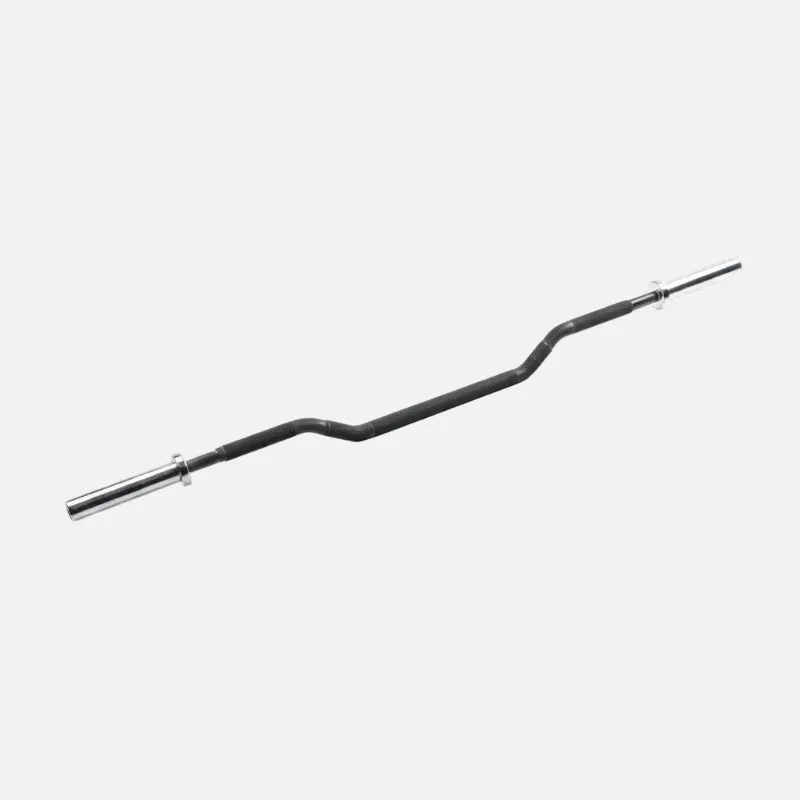
A cambered barbell curves downward in the middle, creating clearance between your torso and the loaded sleeves. On the bench, this lets you lower the bar deeper than a straight barbell allows, stretching the pecs and front delts through a greater range. The cambered bar bench press also reduces shoulder impingement for lifters with limited internal rotation or previous injuries.
For squats, the cambered squat bar sits higher on your traps while the weight hangs lower, raising your center of gravity and demanding more core stability. This makes walkouts harder and emphasizes quad and glute engagement compared to a straight bar back squat.
Both movements require strict form because the oscillating load punishes any loss of tension.
Camber Depth: How Much Drop You Actually Need
Camber depth ranges from two inches to five inches, and the difference changes how each lift feels.
- 2 to 3 inches – adds one to two inches of range on the bench without destabilizing the load too much, suitable for raw strength work and lifters new to specialty bars
- 4 to 5 inches – delivers maximum stretch and time under tension, best for hypertrophy phases or lifters with very good shoulder health
- Deep camber for squats – increases instability and core demand, often preferred by equipped lifters or those chasing posterior-chain overload
We recommend starting with a moderate camber around three inches if you plan to use the bar for both cambered bar bench press work and cambered squat bar training. Deeper cambers excel in accessory blocks but can feel unwieldy during heavy triples.
Bar Weight and Loadable Sleeve Length
Most cambered barbells weigh between 45 and 65 lbs, though some specialty models run heavier. Knowing the exact camber bar weight matters for programming because you cannot assume it matches a standard 45 lb bench press bar.
Check the loadable sleeve length before you buy. Cambered bars with short sleeves limit how much total weight you can load, which becomes a problem once you are pressing or squatting over 315 lbs. Look for at least 15 inches of loadable sleeve if you plan to use full-size plates and work up to four or five plates per side.
The best cambered barbell models publish both the bare bar weight and the usable sleeve length in their specs. If the manufacturer does not list these, check the latest price on the product page where dimensions are usually detailed.
Knurling, Grip Width, and Rack Compatibility
Cambered bars use either a straight center section with standard knurl marks or a cambered grip that follows the curve. A straight center section makes hand placement easier and matches your regular bench grip, while a cambered center can feel awkward if the dip is too pronounced.
Most models include knurling similar to a power bar, but some budget versions skip center knurl entirely. Passive knurling in the middle helps during squats when the bar sits on your back.
Rack fit is non-negotiable. Measure your power rack or squat stands: cambered bars with tall cambers will not sit flat on J-hooks, and some designs require higher safeties. Many racks work fine, but verify clearance before ordering, especially if you have a compact home gym setup.
Comparing Popular Cambered Bar Styles
| Feature | Moderate Camber (3") | Deep Camber (5") |
|---|---|---|
| Range of motion | +1 to 2 inches | +3 to 4 inches |
| Stability | easier to control | significant oscillation |
| Best for | strength and hypertrophy blend | accessory work, rehab |
| Squat use | balanced, beginner-friendly | advanced, high core demand |
If you compete or train for raw powerlifting, a moderate camber lets you rotate the bar into your program without disrupting your main bench press groove. Deeper cambers suit bodybuilders, older lifters managing joint wear, and equipped lifters who already use specialty bars year-round.
Some lifters on forums like T Nation debate whether the cambered bar translates to competition bench strength. We find it works best as a second pressing movement or during hypertrophy blocks rather than as a year-round substitute.
Who Should Buy a Cambered Barbell
A cambered barbell makes sense if you deal with shoulder pain on flat bench, want to add range of motion without boards or chains, or program cambered squat bar work for posterior-chain emphasis. It is also valuable in garage gyms where one specialty bar needs to serve multiple roles.
Skip it if you are still building a foundational strength base with straight-bar compounds, have limited plate inventory, or own a rack with low clearance that will not accommodate the curve.
For current Exponent Edge inventory and pricing, grab the code to save 5% on your order. We also recommend pairing your bar purchase with a solid kettlebell rack or calf raise block if you are filling out a home gym.
How We Choose and Use Our Cambered Bar
We prioritize a three-inch camber, 45 to 50 lb base weight, and at least 15 inches of loadable sleeve on each side. That combination works across bench press accessory days, occasional squat variations, and fits standard power racks without modification.
Before your first working set, practice the setup with just the bar. The load will swing more than a straight barbell, so engage your lats hard and control the eccentric. Start light—add 20 to 30 lbs less than your usual accessory weight—and build volume over three to four weeks as stability improves.
Store the bar on a vertical holder or wall mount if possible. The camber makes it awkward to stack with straight bars, and you want to protect the knurling and prevent the curve from taking impact damage.
Frequently asked questions
How much does a cambered bar weigh compared to a standard bench press bar?
Most cambered bars weigh between 45 and 65 lbs, while a standard Olympic bench press bar is 45 lbs. Always check the manufacturer's specs because camber bar weight varies by design, and you will need to adjust your programming accordingly.
Can I use a cambered bar for both bench press and squats?
Yes, a cambered bar works for both lifts. A moderate three-inch camber is the most versatile, giving you extra range on the bench and increased instability for squat variations without making either movement too awkward.
Does the cambered bar bench press build more chest muscle than a straight bar?
The cambered bar increases your range of motion by one to four inches depending on camber depth, which can boost pec and front delt stretch. It works well as an accessory for hypertrophy, but most powerlifters still rely on straight-bar bench for peak strength.
What camber depth should I choose if I have shoulder pain?
Start with a two- to three-inch camber. This adds range and reduces impingement without creating too much instability. Deeper cambers offer more stretch but require excellent shoulder health and control.
Will a cambered bar fit in my power rack?
Most racks accommodate cambered bars, but measure your J-hook height and safety clearance first. Bars with four- to five-inch cambers may not sit flat on standard hooks, and you may need to adjust your setup or use different attachments.
Is a cambered squat bar harder than a straight bar?
Yes. The weight hangs lower, raising your center of gravity and increasing the demand on your core and stabilizers. Walkouts feel heavier, and you will likely use 10 to 15 percent less weight than your straight-bar back squat.