
GHD Machine vs Glute Ham Developer: What's the Difference?

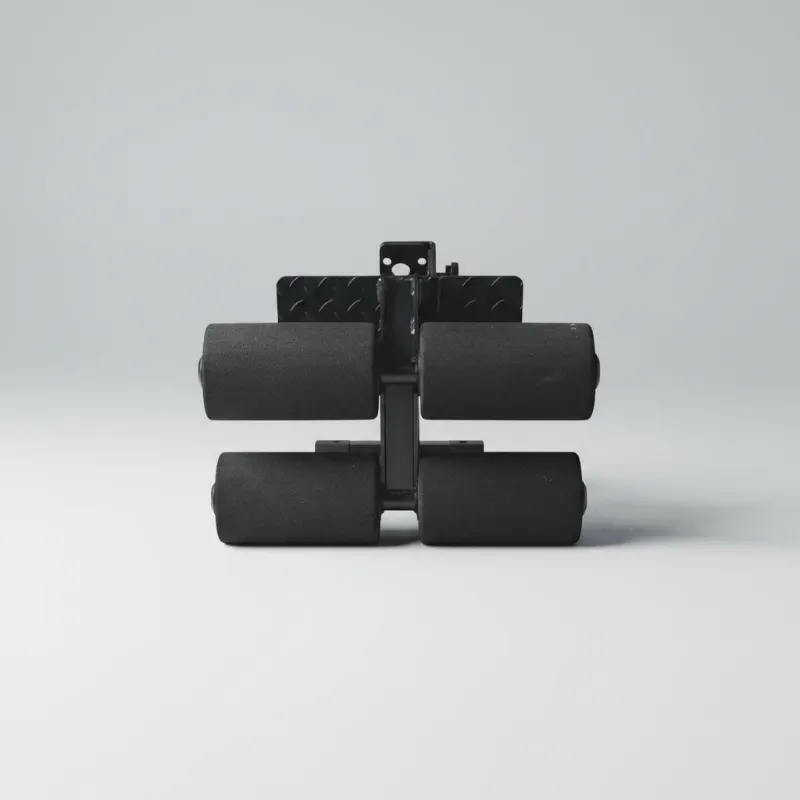
A glute ham developer and GHD machine are actually the same piece of equipment—the terms are used interchangeably across the fitness industry. Whether you see it listed as a glute ham developer, ghd machine, or glute ham machine, you're looking at the same posterior-chain powerhouse designed to strengthen your hamstrings, glutes, and lower back through a unique range of motion that few other tools can replicate.
The confusion stems from branding and gym culture. Some manufacturers prefer "GHD" as shorthand, while others spell out the full name to help newcomers understand what the machine targets. Regardless of the label, this equipment delivers the same core benefit: controlled hamstring curls and glute-ham raises that build serious strength and stability.
Why the Name Confusion Exists
The term "GHD" became popular in CrossFit boxes and functional fitness gyms, where abbreviations save time during fast-paced coaching. Meanwhile, traditional strength gyms and home users often search for the full phrase because it clearly describes what the machine does. Retailers list both names to capture all search traffic, which only deepens the perception that they're different products.
You'll also see variations like "glute-ham raise bench" or ghd exercise equipment, but these all point to the same foundational design: a padded platform with foot rollers that let you anchor your lower legs while your torso moves through flexion and extension. The Men's Health guide breaks down the mechanics in detail if you want a deeper dive into how the movement pattern works.
What to Look for in a Quality Model
When you're comparing options, focus on build quality and adjustability rather than getting hung up on whether the listing says "developer" or "machine." Here's what separates a solid unit from a wobbly disappointment:
- Foot roller adjustability – Your shin angle changes the difficulty and muscle emphasis, so look for multiple positions
- Pad width and density – A narrow or hard pad digs into your thighs during longer sets
- Frame stability – Welded steel with a wide base prevents tipping during explosive reps
- Weight capacity – Most quality models handle 300+ lbs, but verify if you plan to add a weighted vest
- Compact vs full-size footprint – Home users need to measure; commercial-grade units can stretch past six feet
We tested several models and found that checking the latest price often reveals which brands invest in thicker tubing and better hardware. Budget units save money by using thinner gauge steel and plastic hardware that loosens over time.
How Glute Ham Developer Exercises Build Strength
The primary movement—the glute-ham raise—trains your hamstrings through knee flexion while your glutes and lower back stabilize your torso. Unlike leg curls that isolate the hamstrings in a single joint, this exercise demands coordination across your entire posterior chain, which translates directly to deadlifts, sprints, and injury prevention.
Beyond the signature raise, you can use the platform for:
- Back extensions – Position yourself facing down to target spinal erectors
- Hip extensions – Lock your torso and drive through your glutes
- Sit-ups and weighted crunches – Anchor your feet for added resistance
- Nordic curls – An advanced eccentric variation that demolishes hamstrings
Many lifters search for glute ham developer how to use tutorials because the setup feels awkward at first. Start with back extensions to learn the pad placement, then progress to assisted raises (use your hands on the floor) before attempting full bodyweight reps. Garage Gym Reviews archives detailed breakdowns of technique across different models.
Best Glute Ham Developer Features by Use Case
Your ideal setup depends on where you train and what else you own:
| Use Case | Priority Features | Typical Investment |
|---|---|---|
| Home gym | Foldable or compact frame, easy adjustments, non-slip feet | Mid-range |
| Garage | Weather-resistant powder coat, simple design, low maintenance | Entry to mid |
| Commercial | Heavy-duty welds, high weight capacity, quick-adjust levers | Premium |
If space is tight, measure your ceiling height too—you need clearance for your torso to hinge without hitting overhead beams. Some lifters pair their unit with a cambered bar for posterior-focused squat variations, creating a complete chain-building station in one corner.
Grab the code for 5% off when you're ready to order; that discount applies across all Exponent Edge equipment and usually covers shipping on larger items.
Glute Ham Developer Alternative Options
If a full GHD doesn't fit your budget or space, a few alternatives deliver partial benefits:
- Stability ball hamstring curls – Cheap and portable, but lack the loading potential and stability
- Nordic curl straps – Require a partner or heavy anchor point, but cost under $30
- Reverse hyper machine – Complements a GHD by emphasizing hip extension with less spinal load
- Prone leg curl machine – Single-joint isolation that misses the glute and lower-back integration
Reddit threads on glute ham developer alternative setups often mention improvising with a bench and a partner holding your ankles, but that approach limits progressive overload and feels awkward past the beginner stage. If you're serious about posterior strength, the real equipment pays for itself in consistent progression and joint-friendly movement patterns.
Who Should Invest in This Equipment
A glute ham machine makes sense if you:
- Train for powerlifting, Olympic lifting, or any sport demanding explosive hip extension
- Rehab or prevent hamstring strains (common in runners and soccer players)
- Want to build a complete home gym without needing a cable stack
- Follow CrossFit, StrongMan, or functional fitness programming
It's overkill if you're brand new to strength training or only work out sporadically. Master Romanian deadlifts, leg curls, and hip thrusts first; once those feel easy and you're chasing the next progression, the unique stimulus of a GHD becomes invaluable. We also see competitive lifters pairing it with specialty bars like the cambered barbell to address weak points that standard equipment can't reach.
Commercial gyms already have one, but home and garage setups benefit most because you control access and can program high-frequency posterior work without waiting for equipment. Check out our full review and current offers to see which model fits your space and budget.
Frequently asked questions
Are a glute ham developer and GHD machine the same thing?
Yes, they are identical. GHD is simply an abbreviation of glute ham developer, and both terms describe the same piece of equipment designed for posterior chain exercises like glute-ham raises and back extensions.
What exercises can I do on a glute ham developer?
The primary movement is the glute-ham raise, but you can also perform back extensions, hip extensions, sit-ups, weighted crunches, and Nordic curls. Each variation targets different parts of your posterior chain and core.
How much space does a GHD machine need?
Most models require a footprint of roughly 5 to 7 feet long by 2 to 3 feet wide, plus overhead clearance for your torso to hinge. Measure your ceiling height if you're setting up in a basement or garage with low beams.
Is a glute ham developer worth it for a home gym?
If you're past the beginner stage and train consistently for strength or athletic performance, a GHD offers unique posterior-chain stimulus that alternatives can't match. It's overkill for casual lifters who haven't yet mastered basic hip-hinge movements.
Can beginners use a glute ham machine safely?
Yes, but start with back extensions and assisted glute-ham raises using your hands on the floor for support. Full bodyweight raises are advanced and require solid hamstring strength and core control to avoid lower-back strain.
What's the difference between a GHD and a reverse hyper?
A GHD anchors your feet and moves your torso, emphasizing hamstring knee flexion and spinal stability. A reverse hyper anchors your torso and swings your legs, focusing on hip extension and decompressing the spine. Both target the posterior chain but through different movement patterns.