
Do You Really Need a Kettlebell Rack? Storage Solutions Compared

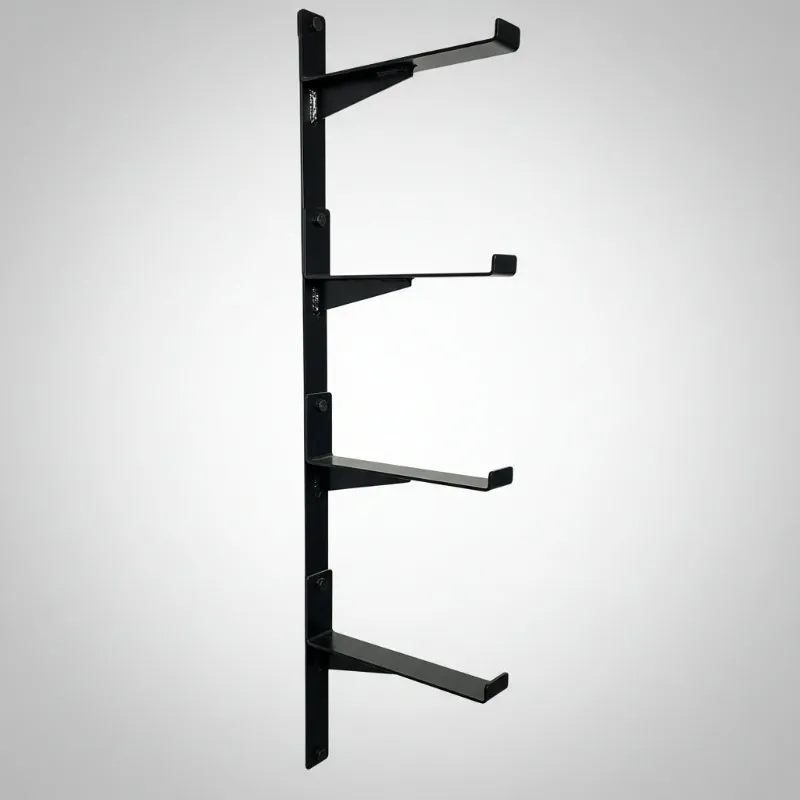
Do You Really Need a Kettlebell Rack?
A kettlebell rack is worth buying if you own four or more bells, train in a shared or commercial space, or want to protect your flooring from constant impacts. It keeps your weights organized, saves floor space, and eliminates the trip hazards that scattered bells create. For home gyms with just one or two kettlebells, simpler storage solutions often make more sense.
We tested dedicated racks alongside budget alternatives to help you decide what fits your space, collection size, and training style. Below, we break down when a rack pays off and when you can skip it.
When a Dedicated Rack Makes Sense
You will benefit most from a kettlebell rack if you check two or more of these boxes:
- You own five or more bells. A vertical kettlebell rack or 3-tier model organizes a full set (8 kg to 32 kg) in under three square feet, while loose bells sprawl across six feet of wall space.
- You train clients or run classes. Racks let multiple people grab weights quickly without hunting or waiting. The Body-Solid kettlebell rack design, for example, angles bells forward for fast access.
- Your floor is wood, tile, or finished concrete. Repeated drops and rolls chip finishes and crack grout. A rack isolates impact to the steel frame, not your subfloor.
- You switch weights mid-workout. Complexes, ladders, and EMOM sessions demand instant swaps. A rack beside your training zone beats walking to a closet or garage corner.
If you are building a full home setup with other gear like a glute ham developer or cambered bar, a compact rack keeps everything within arm's reach and makes the space look intentional rather than cluttered.
Vertical Rack vs. 3-Tier: Which Layout Works Better?
Most kettlebell racks fall into two categories, and each suits different spaces and collections.
| Layout | Footprint | Capacity | Best For |
|---|---|---|---|
| Vertical (single column) | 12" × 12" | 4-6 bells | Tight corners, small bell sets |
| 3-tier horizontal | 36" × 18" | 8-12 bells | Full progressions, studio walls |
Vertical kettlebell rack models stack bells in a narrow tower. They fit next to a power rack or in apartment corners but require you to lift the top bell over lower ones, which slows transitions during timed sets.
3-tier racks spread bells across three shelves at waist, hip, and shin height. You grab any weight without moving others, and the wider base resists tipping when you yank a heavy bell. Rep Fitness kettlebell rack and Rogue models use this layout because it scales from beginner sets to competition collections.
We prefer 3-tier for anyone who owns more than six bells or trains with a partner. For solo minimalists with three or four weights, vertical saves floor space without sacrificing much speed.
Budget Alternatives That Actually Work
You do not need a purpose-built rack to keep bells tidy. These options cost less and work well for smaller collections:
- Two-tier dumbbell rack. Standard hex dumbbell trees hold kettlebells on the lower tier if the horns are spaced 6 inches or wider. You already own this if you have dumbbells.
- Wall-mounted plate pegs. Bolt 12-inch pegs to a stud, spaced 10 inches apart vertically. Bells hang by the handle. Costs under $20 in hardware and frees up floor space entirely.
- Heavy-duty shelf brackets. A 24-inch shelf with 200 lb brackets holds four to six bells. Line the shelf with rubber mat scraps to prevent sliding and noise.
- Milk crate or storage bin. A 16-inch square crate contains two to three bells and slides under a bench. Not elegant, but it works in a garage or basement where aesthetics do not matter.
Kettlebell rack DIY projects using 2×4 lumber and pipe flanges run $30 to $50 in materials. Plans circulate on Reddit and YouTube, though most take two to three hours to build and require a drill, saw, and basic carpentry comfort.
For home gyms that also store a calf raise block or advance arm, a simple wire shelving unit organizes multiple gear types in one footprint. Check the latest pricing and our exclusive code to see how a dedicated rack compares cost-wise to piecing together alternatives.
What to Look for in a Rack (If You Buy One)
Not all racks handle weight safely or fit standard bell sizes. Prioritize these features when comparing models:
- Cradle depth of 8 inches minimum. Shallow trays let bells roll off during a nearby box jump or when you bump the frame.
- Powder-coat or rubberized contact points. Bare steel scratches bell handles and creates noise. Quality racks wrap cradles in UHMW plastic or thick rubber.
- Bolt-down holes in the base. A 32 kg bell yanked fast can tip a lightweight rack. Anchor points let you screw the frame to a platform or concrete.
- Adjustable shelf height. Fixed spacing wastes vertical room or forces you to stack bells awkwardly. Adjustable pins accommodate everything from 4 kg to 48 kg competition bells.
Width matters too. A rack narrower than 30 inches forces you to nest handles, and pulling one bell often knocks another. Go wider if your space allows it.
Most commercial-grade racks also work with other round-handled tools like landmine attachments or sand bags, so you get bonus storage flexibility. Grab our code here before you order to lock in 5% off.
How We Store Bells in Our Test Gym
Our facility rotates between a Rogue 3-tier model for classes (holds 10 bells, ages well under daily use) and a DIY wall peg system for our competition set (powder-coat bells stay pristine when they never touch each other). We tried a cheap Amazon vertical rack for six months, but the hollow-tube frame bent under a 40 kg bell and the cradles were too shallow for safe storage during high-tempo workouts.
For home athletes training solo, we recommend spending your budget on more bells rather than a premium rack unless floor damage or tripping is a real issue. A $40 milk crate does the job for a three-bell progression. If you are kitting out a garage gym with a viking press and full dumbbell set, a mid-tier 3-tier rack keeps the training zone clean and makes your space feel like a real facility.
Making the Call
Buy a dedicated rack if you own a large collection, train clients, or need to protect finished flooring. A 3-tier model handles growth better than a vertical tower, and bolt-down capability prevents tip-overs. For small home collections (under four bells), wall pegs, shelf brackets, or a sturdy bin deliver 90% of the organization benefit at a fraction of the cost.
Either way, getting your kettlebells off the floor reduces clutter and speeds up your workouts. Check our discount code page to see current offers on the kettlebell rack and other training essentials before you commit to a storage solution.
Frequently asked questions
How many kettlebells fit on a standard 3-tier rack?
Most 3-tier racks hold eight to twelve kettlebells, depending on shelf width and cradle spacing. Compact models fit six, while commercial frames accommodate up to sixteen if you nest smaller bells.
Can I build a kettlebell rack myself?
Yes. DIY kettlebell racks using 2×4 lumber, pipe flanges, and screws cost $30 to $50 in materials and take two to three hours to build. Wall-mounted peg systems are even simpler and require only a drill and stud finder.
Do vertical racks tip over easily?
Lightweight vertical racks can tip if you yank a heavy bell quickly, especially when the base is narrow. Look for models with bolt-down holes or a wide footprint, and always anchor commercial-use racks to the floor.
Will a kettlebell rack scratch my bells?
Quality racks line cradles with rubber or UHMW plastic to prevent scratches. Avoid bare steel frames, which will scuff powder-coat and chip paint over time.
What is the best way to store kettlebells in a small apartment?
Wall-mounted pegs or a narrow vertical rack work best in tight spaces. Both keep bells off the floor and take up less than one square foot of room, leaving space for other gear.
Are Amazon kettlebell racks durable enough for daily use?
Budget Amazon racks handle light home use but often use thin tubing that bends under heavy competition bells or frequent access. For daily training or bells over 32 kg, invest in a commercial-grade frame.