
Walking Pad vs Foldable Treadmill: Which Compact Option Fits Your Space?

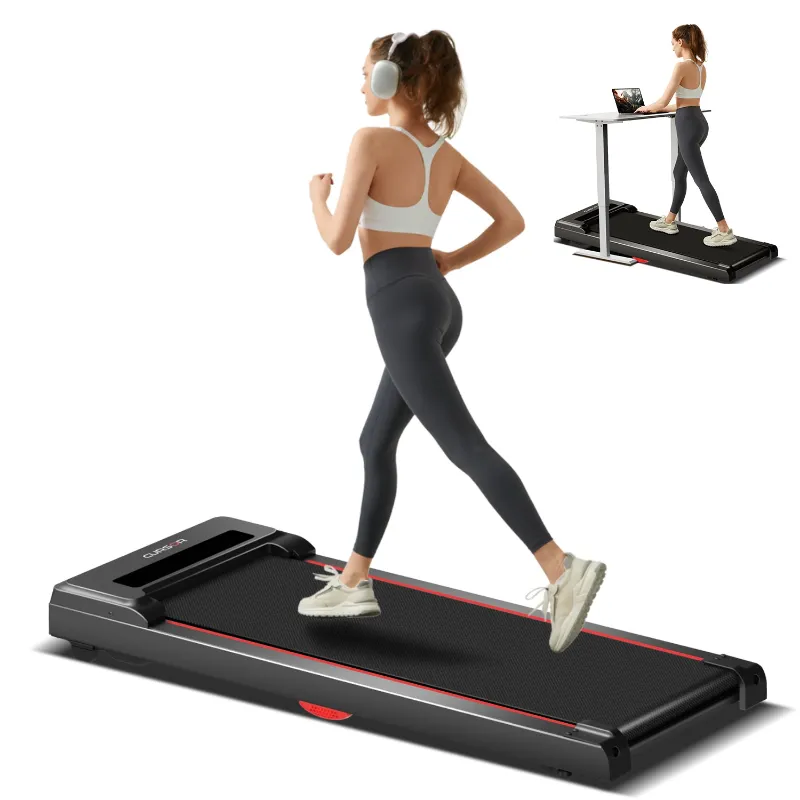
A walking pad treadmill delivers ultra-compact, under-desk portability, while foldable treadmills offer higher speeds and incline features in a still-manageable footprint. Both solve the space crunch, but your choice depends on whether you prioritize slow, steady movement throughout the workday or faster interval runs when you have dedicated workout time. We tested both styles from Umay Fitness to break down size, performance, storage, and who each option suits best.
What Defines a Walking Pad Treadmill vs a Foldable Treadmill
Walking pads are ultra-slim, handlebar-free machines designed for speeds up to 4 mph, built to slide under a standing desk or sofa. The portable walking pad measures around 5 inches tall when flat, weighs 55 to 65 pounds, and rolls on built-in wheels. You walk at a gentle pace while typing, taking calls, or watching a screen.
Foldable treadmills feature a raised deck, support rail or console, and motors that reach 8 to 12 mph for jogging and running. The foldable treadmills fold vertically after your session, reducing floor space by roughly 50 percent, but even folded they stand 5 to 6 feet tall and weigh 100 to 150 pounds. Many include incline settings and preset interval programs.
| Feature | Walking Pad | Foldable Treadmill |
|---|---|---|
| Max speed | 2–4 mph | 8–12 mph |
| Footprint (in use) | 50 × 20 inches | 60 × 28 inches |
| Storage height | 5–6 inches flat | 60–70 inches vertical |
| Incline | Rare (manual riser) | Electric or manual, 0–15% |
Space and Storage: Which One Actually Disappears
If you live in a studio or share a bedroom office, the umay walking pad wins on storage. Slide it under a bed, prop it behind a door, or tuck it in a closet shelf. You can leave it out all day without blocking pathways because the deck sits flush with the floor.
Foldable treadmills require a dedicated corner or wall. The folded profile is narrow front-to-back but tall, so you need ceiling clearance and a spot where the upright frame will not tip. Unfolding and re-folding takes 30 to 60 seconds and becomes friction if you use the machine daily. A portable running machine with a quick-lock hinge cuts setup time, but you still sacrifice more square footage than a walking pad.
Storage checklist:
- Measure under-bed clearance (most beds offer 6–8 inches; walking pads need 5–6).
- Check ceiling height in your storage corner (folded treadmills need at least 75 inches).
- Confirm doorway width if you plan to move the machine between rooms (28–30 inches is standard).
Speed, Incline, and Workout Intensity
Walking pads cap out around 4 mph, enough for brisk walking but not running. The walking pad treadmill under desk lets you log 5,000 to 10,000 steps during an eight-hour shift without changing clothes or showering. Heart rate stays in zone 1 or 2, so you burn calories steadily without interrupting focus work.
If you want high-intensity interval training or tempo runs, a treadmill home delivers. Hit 10 mph for sprint intervals, dial in a 10 percent grade for hill repeats, and track distance, pace, and calories on a backlit console. The incline walking pad adds a manual riser for a modest slope, bridging the gap if you want slightly more resistance without committing to a full treadmill.
Garage Gym Reviews compares walking pads and treadmills in detail, noting that walking pads suit low-impact movement while traditional treadmills handle serious running volume.
Noise, Stability, and Work-From-Home Fit
Walking pads run quietly because the motor works at low RPM and the belt moves slowly. Expect 50 to 60 decibels, roughly the hum of a refrigerator. You can take Zoom calls, listen to podcasts at normal volume, and avoid disturbing downstairs neighbors in an apartment.
Foldable treadmills generate more vibration and motor noise at higher speeds. At 8 mph the sound jumps to 70 decibels, similar to a vacuum cleaner. If you share walls or work unconventional hours, a walking pad keeps the peace. Grab the current discount with our Umay Fitness code to save 15 percent sitewide.
Stability also differs. Walking pads sit low and wide, but the lack of handrails means you need good balance. Foldable treadmills offer side rails or a front bar, helpful if you are recovering from injury or prefer security during faster intervals.
Maintenance and Longevity
Both machine types need periodic belt lubrication. Apply running machine oil every 40 to 60 hours of use, wiping excess off the sides to prevent dust buildup. Walking pads accumulate less wear per session because speeds stay low, but if you run the machine eight hours daily the motor and belt still log serious mileage.
Foldable treadmills endure higher impact forces during running, so inspect the deck cushioning and belt tension every few months. Umay Fitness machines ship with a basic tool kit and a lubrication schedule in the manual. Check the latest pricing and maintenance tips on the store page before you buy.
Monthly care routine:
- Vacuum dust from the motor housing and belt edges.
- Tighten console bolts if the display wobbles.
- Wipe the belt with a damp cloth after sweaty sessions.
- Re-center the belt if it drifts left or right (adjustment bolts sit at the rear roller).
Who Should Choose a Walking Pad Treadmill
Pick a walking pad if you want to move while you work, prefer gentle daily activity over structured workouts, or live in a small apartment where every inch counts. The best walking pad treadmill integrates into your routine invisibly: no workout clothes, no blocked pathways, no loud motor disrupting calls.
Walking pads also suit seniors or anyone rehabbing a joint injury, because the low speed reduces impact and the slim profile eliminates the step-up onto a raised deck. Pair it with a standing desk or watch TV while walking to hit 10,000 steps without leaving home.
Who Needs a Foldable Treadmill Instead
Choose a foldable treadmill if you run regularly, want incline training, or need speed variation for interval workouts. The foldable treadmills handle everything from warm-up jogs to tempo runs, and the console tracks metrics serious runners care about: pace per mile, heart rate zones, calorie burn.
If you have a spare bedroom, garage corner, or dedicated home gym, the larger footprint and vertical storage will not cramp your style. Athletes training for races, anyone following a Couch to 5K plan, or users who get bored at walking pace will appreciate the extra horsepower and programming options.
Shape magazine rounds up the top walking pads of 2026, highlighting that traditional treadmills still dominate for runners despite the rise of compact designs.
Our Recommendation: Match the Machine to Your Movement Goals
We recommend a portable walking pad for remote workers who sit most of the day and want low-friction movement without scheduling gym time. It slides out in seconds, runs whisper-quiet, and stores anywhere. If your goal is 10,000 daily steps and you rarely run, a walking pad delivers the best space-to-benefit ratio.
Go with a treadmill home solution if you train for races, love high-intensity cardio, or want the flexibility to walk, jog, and sprint on the same machine. Yes, it takes up more room and costs more upfront, but the motor, deck, and frame will support years of varied workouts. Check the latest pricing and use our exclusive code to save on either style.
Frequently asked questions
Can a walking pad treadmill handle jogging or running?
Most walking pads max out at 4 mph, which is a brisk walk but too slow for jogging. If you want to run, choose a foldable treadmill with a motor rated for 8 mph or higher and a longer belt to accommodate your stride.
How much space do I need to store a walking pad under my desk?
Walking pads measure roughly 5 to 6 inches tall when flat, so you need at least 6 inches of clearance under your desk or bed. Measure before you buy to confirm the deck will slide in without forcing it.
Do foldable treadmills tip over when stored upright?
Quality foldable treadmills include a locking latch and a wide base to prevent tipping. Always engage the lock after folding and position the machine against a wall for extra stability, especially in homes with kids or pets.
Which option is quieter for apartment use?
Walking pads run at 50 to 60 decibels because the motor operates at low speed, making them much quieter than foldable treadmills at jogging pace. If noise matters, a walking pad is the better choice for shared walls or late-night use.
How often should I lubricate the belt on a walking pad?
Lubricate the belt every 40 to 60 hours of use with silicone-based running machine oil. Walking pads accumulate hours quickly if you use them all day, so set a calendar reminder every six to eight weeks for light daily users.
Can I add incline to a walking pad treadmill?
Some models like the incline walking pad include a manual riser that props the front end up a few degrees. Most standard walking pads stay flat, so if incline training matters, look for a model with that feature or choose a foldable treadmill with electric incline.