
How to Maintain and Sharpen N690 Steel Knife Blades

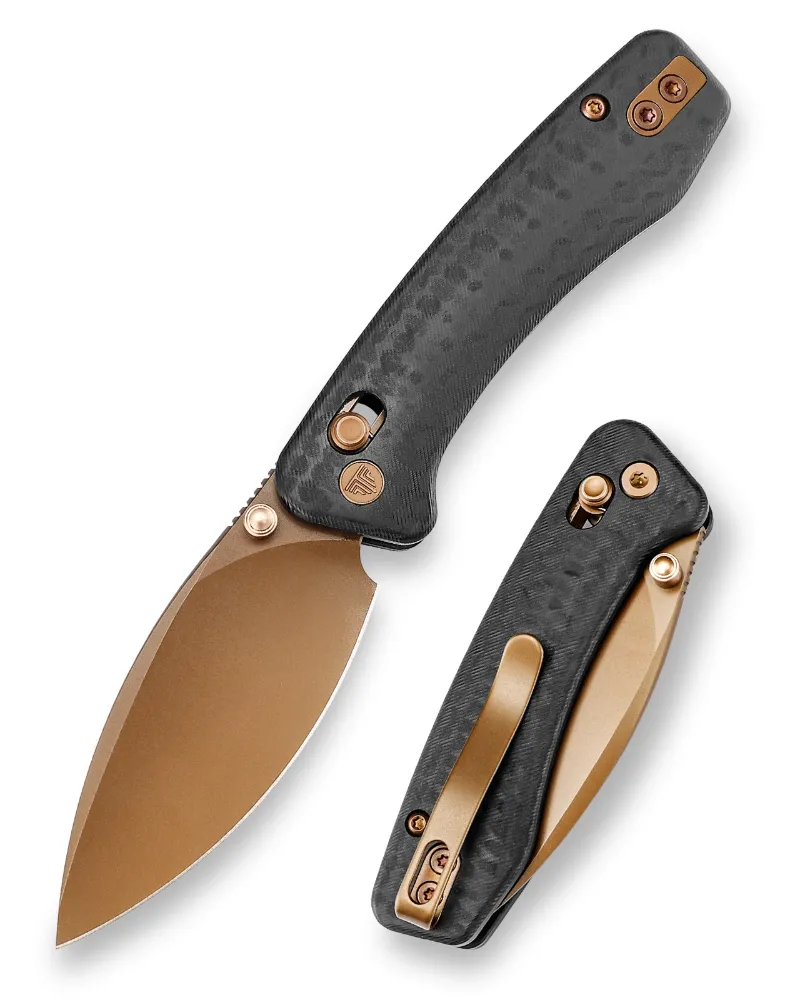
How to Maintain and Sharpen N690 Steel Knife Blades
N690 steel delivers a balanced blend of corrosion resistance and edge retention that makes it a popular choice for folders like the trivisa dragonfly and trivisa hornet. This Austrian-made stainless alloy holds an edge well enough for daily cutting tasks while resisting rust better than many alternatives, but only regular maintenance keeps it performing at its best. We've tested dozens of n690 steel blades, and the care routine below will help you preserve that factory-sharp edge and prevent premature wear.
Understanding N690 Steel Composition and Performance
N690 steel features a mid-range carbon content (around 1.07%) with significant chromium (17%) for stainless properties, plus additions of molybdenum, vanadium, and cobalt. This n690 steel composition places it in the premium stainless category, sitting between budget steels like 440C and high-end options like S35VN or M390.
When comparing n690 steel vs s35vn, you'll find S35VN offers slightly better edge retention and toughness, but N690 sharpens more easily and costs less. Against D2, n690 steel vs d2 shows N690 with superior corrosion resistance, while D2 holds an edge marginally longer in dry conditions. For most EDC users carrying a trivisa knife or similar folder, N690 strikes the sweet spot between maintenance ease and cutting performance.
Sharpening N690 Steel: Techniques and Tools
N690 steel sharpens predictably with most common methods. We recommend a progression from coarse to fine grits to restore a dull edge efficiently.
Best sharpening systems for N690:
- Whetstone progression – Start with 400-grit to reprofile or repair chips, move to 1000-grit for edge refinement, and finish at 3000 to 6000-grit for a polished, hair-popping edge
- Guided systems – Clamp-style sharpeners (Lansky, Work Sharp Precision Adjust) maintain consistent angles between 15° and 20° per side, ideal for folders with axis lock knives or crossbar lock knife mechanisms
- Ceramic rods or strops – Perfect for quick touch-ups in the field; a few passes on a fine ceramic rod every few days keeps the edge keen without removing excess steel
Because N690 contains carbides that are harder than budget stainless but softer than powdered metallurgy steels, it responds well to moderate pressure. Avoid excessive force, which generates heat and can draw the temper near the edge. Instead, use light, consistent strokes and let the abrasive do the work.
Check the latest pricing on whetstones and guided systems that pair well with your TRIVISA folder.
Daily Maintenance Tips for N690 Blades
Routine care extends the interval between full sharpening sessions and protects the blade from corrosion.
After each use:
- Wipe the blade dry immediately, especially after cutting acidic foods (citrus, tomatoes) or wet materials
- Apply a thin film of mineral oil, gun oil, or dedicated blade oil to the entire blade surface if the knife won't be used for more than a day
- Clean the pivot area and lock mechanism on folders like the b dragonfly to prevent grit buildup that accelerates wear
Weekly or monthly deep cleaning:
- Disassemble the knife if you're comfortable doing so (or use compressed air and a toothbrush if not)
- Wash all metal parts in warm soapy water, then rinse and dry thoroughly
- Lubricate the pivot with a drop of synthetic oil or Teflon-based lubricant
- Inspect the edge under bright light for micro-chips or rolled sections that need stropping
Even though N690 resists rust better than carbon steels, prolonged exposure to salt water or humid environments will eventually cause spotting. A quick wipe-down and light oiling take seconds and add years to the blade's lifespan.
Comparing N690 Steel to Popular Alternatives
Understanding where N690 sits in the steel hierarchy helps you set realistic maintenance expectations and decide whether it suits your use case.
| Steel | Edge Retention | Corrosion Resistance | Ease of Sharpening |
|---|---|---|---|
| N690 | Good | Excellent | Easy |
| 440C | Fair | Good | Very Easy |
| D2 | Very Good | Fair | Moderate |
| S35VN | Very Good | Excellent | Moderate |
| M390 | Excellent | Excellent | Difficult |
When weighing n690 steel vs 440c, N690 outlasts 440C in edge retention by a noticeable margin while maintaining similar corrosion resistance. The n690 steel vs m390 comparison shows M390 holding an edge significantly longer, but M390 demands diamond stones and more time at the sharpening bench. For n690 steel vs magnacut, MagnaCut edges out N690 in every performance category, yet N690 remains a practical, cost-effective choice for folders that see moderate daily use.
Most axis lock knife and butterfly brand knife models in the mid-price range use N690 or a close n690 steel equivalent like 154CM because it delivers reliable performance without the premium price tag of super steels.
Troubleshooting Common N690 Blade Issues
Even well-maintained N690 blades can develop problems if subjected to hard use or improper technique.
Micro-chipping along the edge – Usually caused by cutting hard materials (cardboard staples, wire) or sharpening at too acute an angle. Reprofile the edge at 18° to 20° per side and avoid prying tasks.
Surface rust or spotting – Clean affected areas with a rust eraser or fine steel wool (0000 grade), then apply a protective oil film. Store knives in a dry environment, and consider a dehumidifier for humid climates.
Difficulty achieving a sharp edge – Dull stones or inconsistent angle control are the most common culprits. Flatten your whetstones regularly, and use a guided system or angle guide if freehand sharpening yields uneven results.
Lock wear on folders – Not steel-specific, but common on hard-use crossbar lock knife models. Keep the lock bar and detent track clean and lightly lubricated to minimize friction and metal-on-metal wear.
Grab the code for 5% off your next TRIVISA order, and stock up on maintenance supplies alongside your new folder.
Who Should Choose N690 Steel Knives
N690 steel knives suit users who want a low-maintenance blade that performs reliably across a range of tasks without demanding expert sharpening skills or frequent touch-ups.
Ideal for:
- EDC enthusiasts who need corrosion resistance for humid or coastal environments
- Outdoor users carrying folders like the trivisa hornet for camp chores and food prep
- Beginners learning to sharpen, since N690 forgives technique errors and responds quickly to abrasives
- Budget-conscious buyers seeking performance close to premium steels at a fraction of the cost
If you prioritize maximum edge retention above all else and don't mind the extra effort required to sharpen harder steels, M390 or S35VN may serve you better. But for most of us, an n690 steel knife strikes the right balance, especially when paired with a solid lock mechanism and ergonomic handle design found in models like the trivisa dragonfly.
Keep your blade clean, oil it regularly, and touch up the edge every few weeks with a ceramic rod or strop. Follow this routine, and your N690 folder will deliver years of reliable service.
Frequently asked questions
How often should I sharpen my N690 steel knife?
For moderate daily use, touch up the edge with a ceramic rod or strop every one to two weeks, and perform a full sharpening session every two to three months. Heavy use or cutting abrasive materials will require more frequent attention.
Is N690 steel better than 440C for everyday carry?
Yes, N690 offers better edge retention than 440C while maintaining similar corrosion resistance, making it a more practical choice for EDC folders that see regular cutting tasks.
Can I use a pull-through sharpener on N690 steel blades?
We don't recommend pull-through sharpeners for N690, as they remove too much material and create inconsistent bevels. Whetstones, guided systems, or ceramic rods produce better, longer-lasting results.
Does N690 steel rust easily?
N690 resists rust much better than carbon steels thanks to its 17% chromium content, but prolonged exposure to salt water or humid conditions without proper oiling can still cause spotting. Regular maintenance prevents corrosion.
What's the best angle for sharpening a TRIVISA knife with N690 steel?
We recommend 18° to 20° per side for most EDC folders. This angle balances edge retention and durability, preventing micro-chipping while maintaining good cutting performance.
How does N690 compare to S35VN for toughness?
S35VN is slightly tougher and holds an edge a bit longer than N690, but N690 sharpens more easily and costs less. For most users, the performance difference is small enough that N690 remains an excellent practical choice.