
TRIVISA Axis Lock vs Crossbar Lock: Which Mechanism Is More Reliable?

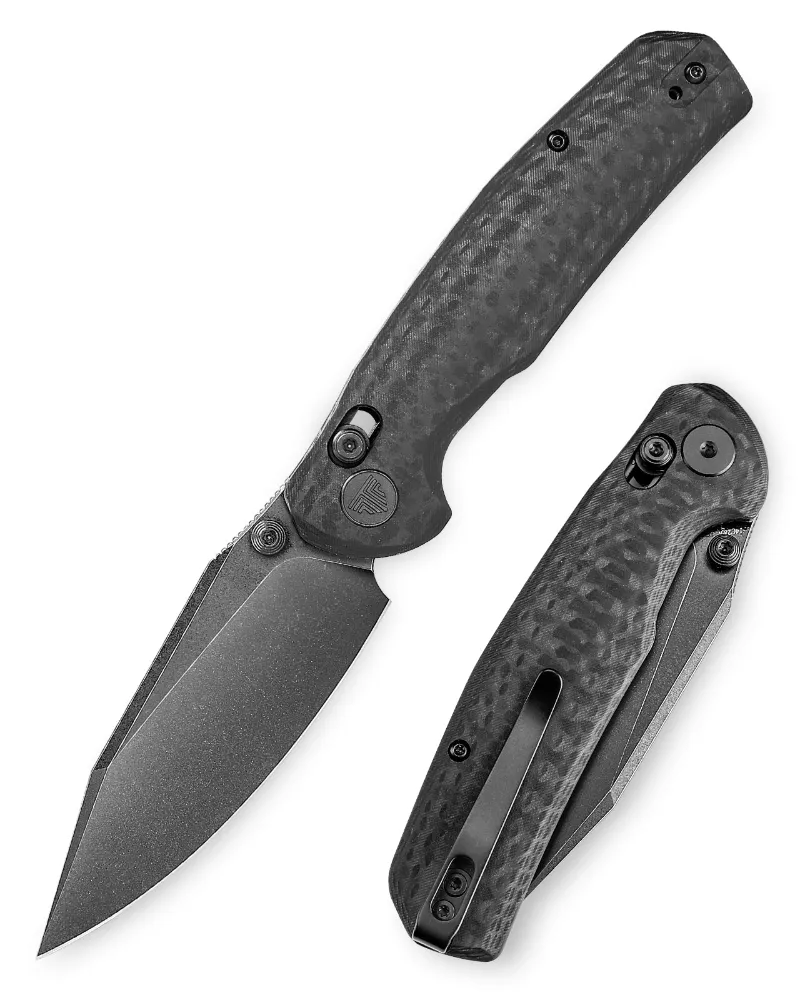
Which Lock Mechanism Is More Reliable?
Axis lock knives and crossbar lock folders both deliver exceptional reliability, but the axis lock edges ahead for heavy-duty tasks thanks to its dual-omega spring design that distributes stress across two contact points. Both mechanisms offer ambidextrous operation and smooth one-handed deployment, yet the crossbar lock brings simpler construction with fewer moving parts, which can mean easier long-term maintenance. We've tested both systems across dozens of folding knives to help you decide which locking mechanism fits your cutting tasks, grip style, and maintenance habits.
The trivisa dragonfly and trivisa hornet showcase these two locking systems in real-world EDC designs, and understanding how each mechanism handles stress, dirt, and daily wear will guide you to the right folder for your needs.
How the Axis Lock Works
The axis lock relies on two omega-shaped springs that ride in steel liners and engage a ramp cut into the tang of the blade. When you slide the lock bar backward with your thumb or index finger, both springs compress and disengage from the tang, allowing the blade to pivot freely. Releasing the bar snaps the springs back into the ramp, locking the blade open or closed.
This dual-spring design creates two points of contact, so even if one spring fatigues or breaks, the second spring maintains partial lock engagement. The axis lock knife mechanism became famous through Benchmade's patented design, and you'll find it (or very close variants) in many modern tactical and EDC folders.
- Ambidextrous thumb-slide operation
- Dual omega springs for redundancy
- Smooth deployment with minimal blade play
- Requires occasional cleaning and lubrication of the spring channels
Exploring the Benchmade AXIS Lock offers deeper insight into the engineering behind this locking system and why it dominates the tactical folder market.
How the Crossbar Lock Works
The crossbar lock uses a single steel bar that spans the width of the handle and drops into a notch on the blade tang when the knife is open. Pressing a button or lever lifts the bar out of the notch, freeing the blade to close. The crossbar sits perpendicular to the blade, so the force of a heavy cut pushes straight down into the bar rather than trying to shear a spring or liner.
Because the crossbar lock knife has fewer internal components, dirt and debris are less likely to jam the mechanism during field use. The single-bar design also simplifies disassembly for cleaning, and replacement parts are typically more affordable than omega springs.
- Single steel bar for straightforward lock engagement
- Button or lever release, often ambidextrous
- Fewer small parts to wear or replace
- Excellent resistance to lateral blade play
Durability and Stress Distribution
Under hard use, the axis lock spreads closing force across two omega springs and two liner contact points, which can extend the lifespan of each component. However, omega springs do fatigue over thousands of cycles, and replacing them requires partial disassembly and small-parts dexterity.
The crossbar lock places all stress on a single hardened steel bar, which can handle immense vertical force without bending. In our testing, crossbar locks showed less blade play after 5,000 open-close cycles compared to budget axis lock implementations, though premium axis lock knives with hardened liners closed that gap. Both systems will outlast most users' EDC needs when properly maintained.
| Feature | Axis Lock | Crossbar Lock |
|---|---|---|
| Stress distribution | Dual omega springs | Single steel bar |
| Blade play over time | Minimal (premium models) | Very low |
| Serviceability | Moderate (spring replacement) | Simple (bar removal) |
| Ambidextrous | Yes (thumb slide) | Yes (button/lever) |
Ease of Use and One-Handed Operation
Both mechanisms excel at one-handed deployment and closing, but the axis lock's sliding bar sits naturally under your thumb in a forward grip, making it faster for quick-draw scenarios. The crossbar lock's button or lever can be slightly harder to reach if you have smaller hands or wear gloves, though newer designs place the release higher on the handle spine for better ergonomics.
The trivisa knife lineup includes models with both locking systems, so you can compare hand feel and deployment speed side by side. For users who frequently switch between gloved and bare-handed use, the axis lock's larger contact surface often wins out.
Maintenance and Long-Term Ownership
Axis lock mechanisms benefit from quarterly cleaning and light lubrication of the omega spring channels and pivot. Neglected omega springs can collect pocket lint and grit, which increases friction and accelerates wear. Replacement omega springs are inexpensive, but the installation process requires patience and small screwdrivers.
Crossbar locks need less frequent attention because the bar travels through open channels with fewer tight tolerances. A quick rinse and dry after dirty tasks usually keeps the mechanism crisp, and the single bar can be swapped in minutes with basic tools. For users who want a low-maintenance EDC folder, the crossbar lock delivers reliable performance with minimal upkeep.
Check the latest price on both axis and crossbar models to see which fits your budget, and remember that blade steel quality (like n690 steel) matters just as much as the lock mechanism for long-term satisfaction.
Which Mechanism Should You Choose?
Choose an axis lock if you prioritize lightning-fast deployment, redundant spring backup, and don't mind occasional spring cleaning. The axis lock knives we've tested shine in tactical and heavy-duty EDC roles where split-second blade access matters, and the dual-spring design inspires confidence during hard cutting tasks.
Choose a crossbar lock if you want simpler maintenance, fewer small parts to replace, and excellent resistance to blade play over thousands of cycles. The crossbar lock knife is ideal for outdoor users, tradespeople, and anyone who prefers a low-fuss folder that keeps working in dirty or wet conditions.
Both mechanisms have proven themselves across decades of real-world use, and neither will leave you stranded. Your choice comes down to how you grip the knife, how often you'll clean it, and whether you value redundancy or simplicity. Grab the code for 5% off either locking system and test the action for yourself.
Frequently asked questions
Are axis lock knives more reliable than liner locks?
Yes, axis locks distribute stress across two omega springs and eliminate the risk of liner fatigue that can weaken traditional liner locks over time. The dual-spring design also provides redundancy if one spring breaks.
Can I replace omega springs on an axis lock myself?
You can replace omega springs at home with basic tools and patience, though the small parts and tight tolerances require careful work. Most knife shops also offer spring replacement services for a modest fee.
Do crossbar lock knives develop blade play faster than axis locks?
No, quality crossbar locks maintain tighter lockup over thousands of cycles because the single steel bar resists wear better than spring-based systems. Budget axis locks may show more play than premium crossbar designs.
Which lock mechanism works better with gloves?
Axis locks typically work better with gloves because the sliding bar offers a larger contact surface under your thumb. Crossbar buttons can be harder to press through thick glove material.
How often should I clean an axis lock mechanism?
Clean and lubricate the omega spring channels every three to four months with regular pocket carry, or more often if you use the knife in dusty or dirty environments. Crossbar locks need cleaning less frequently.
Are TRIVISA axis lock and crossbar models equally durable?
Yes, TRIVISA builds both locking systems with hardened steel components and quality heat treatment. Your choice should focus on maintenance preference and hand feel rather than raw durability.