
TRIVISA Dragonfly vs Hornet vs Koala: Which Compact Folder Should You Buy?

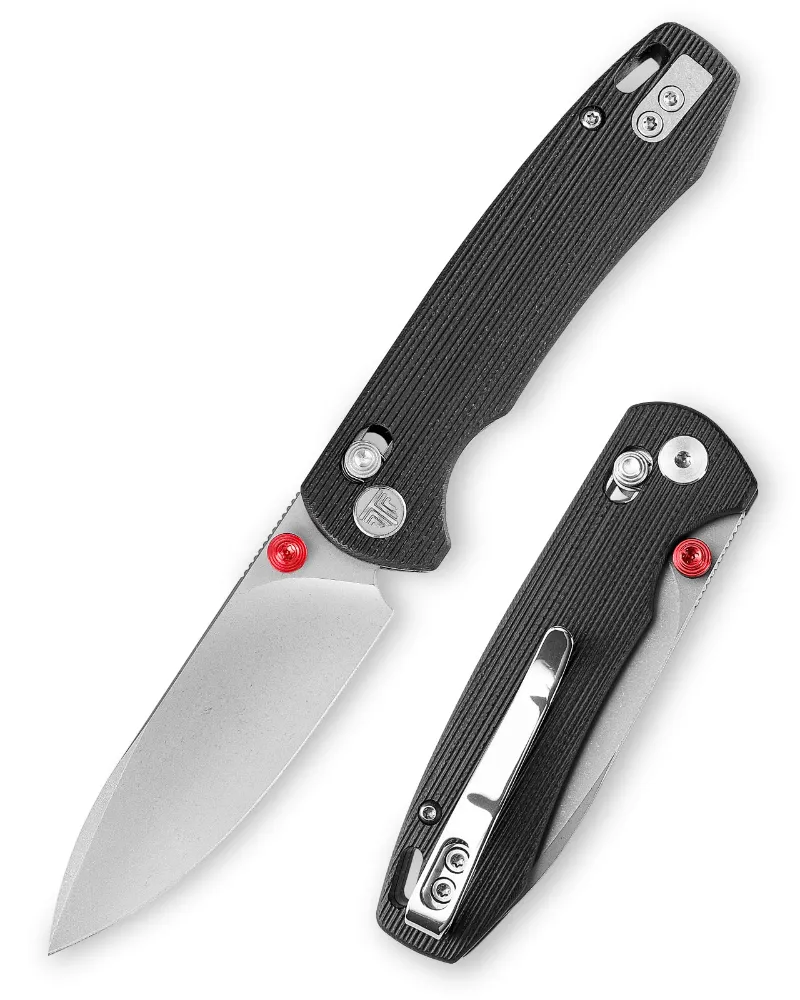
The trivisa hornet sits in the middle of TRIVISA's compact folder lineup, balancing size and cutting performance between the smaller Dragonfly and larger Koala models. We tested all three to help you choose the right everyday-carry folder based on blade length, lock type, and how you actually carry a knife. If you're deciding between these popular compact options, this guide breaks down the differences that matter.
What Makes the TRIVISA Hornet Different from the Dragonfly
The Hornet offers a longer cutting edge and fuller grip than the trivisa dragonfly, making it better suited for everyday cutting tasks that need a bit more blade. While the Dragonfly excels as an ultra-compact option that disappears in a pocket, the Hornet provides an extra half-inch of blade length without crossing into bulky territory. Both models typically feature n690 steel blades that hold an edge well for daily use and resist corrosion in humid environments.
The lock mechanism is where these two diverge most noticeably. The Dragonfly uses a back-lock design that's simple and proven, while the Hornet employs a crossbar lock system similar to what you'll find on many axis lock knives. The crossbar system allows for easier one-handed closing and ambidextrous operation, which matters if you open packages, cut cordage, or break down boxes throughout the day.
Weight and pocket presence also differ. The Dragonfly weighs in at just under 2 ounces, while the Hornet pushes closer to 2.5 ounces. That half-ounce might sound negligible, but it's noticeable when clipped to lightweight shorts or gym wear. Check the latest price to see if current promotions make one model more budget-friendly than the other.
How the Koala Compares to the Hornet
The Koala steps up in blade length again, offering close to 3 inches of cutting edge compared to the Hornet's approximately 2.5 inches. This makes the Koala the largest of the three and better suited for users who need more blade for food prep, camping tasks, or general utility work. The trade-off is pocket real estate: the Koala's closed length pushes it into the category where you'll feel it in your pocket, especially when sitting.
Both the Hornet and Koala share similar crossbar lock knife mechanisms, so the opening and closing experience feels nearly identical. The Koala's larger handle fills the hand better for extended cutting sessions, but the Hornet remains more versatile for true everyday pocket carry. If you rotate between office environments and outdoor activities, the Hornet threads that needle more effectively.
Handle materials and build quality stay consistent across TRIVISA's lineup. We've found the ergonomics on all three models to be excellent for their respective size classes, with no hot spots during repetitive cutting tasks. The pocket clip on each can be swapped for tip-up or tip-down carry, and all three models sit low enough in the pocket to avoid snagging on car seat belts or jacket zippers.
Lock Mechanisms and One-Handed Operation
Lock strength and ease of use separate good EDC folders from great ones. The axis lock knife style found on the Hornet and Koala allows you to open and close the blade with one hand using just your thumb, which matters when you're holding a package, carrying groceries, or working in tight spaces. The spring-loaded bar sits perpendicular to the blade and locks into detents on both sides, distributing stress evenly.
The Dragonfly's back-lock requires you to press a lever on the spine to release the blade, which typically means a two-handed close unless you've practiced the technique. It's bomber-proof reliable and has decades of proven field use, but it's slower in real-world scenarios. For users prioritizing speed and ambidextrous function, the Hornet's lock system wins. For those who value simplicity and don't mind the extra step, the Dragonfly's back-lock is perfectly serviceable.
Lock engagement on all three models is solid with no blade play in any direction when locked open. We tested each with aggressive cutting into cardboard, rope, and zip ties, and none showed any signs of lock slip or weakness. TRIVISA's quality control on lock fitting has been consistent in our experience, though we always recommend checking your specific knife when it arrives and breaking in the action over the first few days of carry.
Blade Steel and Edge Retention Across Models
All three compact folders in this comparison typically ship with n690 steel blades, an Austrian stainless alloy that balances edge retention, toughness, and corrosion resistance. In practical terms, you can expect to go several weeks of typical EDC use between sharpening sessions, depending on what you cut. Cardboard and synthetic packaging materials dull edges faster than natural fibers, so your mileage will vary.
N690 sharpens easily on a standard whetstone or ceramic rod, which matters for users who maintain their own edges. It's not as hard as premium super steels, but that also means it's less prone to chipping if you accidentally strike a hard surface or twist the blade. For a compact everyday folder that might see abuse, we prefer this level of toughness over maximum edge retention.
The factory edge on TRIVISA knives arrives sharp and ready to use. We've tested fresh-from-box models by slicing receipt paper and shaving arm hair, and they all passed without issue. If you want to take advantage of current pricing, grab the code before committing to your purchase. The 5% discount applies across all models, so it's worth factoring into your budget if you're choosing between size options.
Which Compact Folder Fits Your Carry Style
Your carry environment and daily tasks determine which model makes sense. The trivisa hornet works best for users who want a true do-it-all EDC knife that handles office tasks, light outdoor work, and general utility cutting without feeling oversized. If you wear business casual or dress clothes most days, the Hornet remains discreet while offering enough blade to be useful.
Choose the b dragonfly if pocket space is your top priority or if you live in an area with blade-length restrictions. It's the lightest option and works well as a backup knife or for users with smaller hands who find mid-sized folders uncomfortable. The shorter blade sacrifices some cutting efficiency but gains in pure portability.
Go with the Koala if you need the extra blade length for food prep, camping, or workshop tasks and don't mind the additional weight. It's still compact compared to full-sized folders, but it's the least "disappear in your pocket" option of the three. Users who spend more time outdoors or in hands-on work environments will appreciate the larger cutting surface and fuller grip.
Model Comparison Overview
Here's how the three compact folders stack up across key specifications:
| Feature | Dragonfly | Hornet | Koala |
|---|---|---|---|
| Blade Length | ~2 inches | ~2.5 inches | ~3 inches |
| Lock Type | Back-lock | Crossbar lock | Crossbar lock |
| Weight | ~1.9 oz | ~2.5 oz | ~3.2 oz |
| Best For | Ultra-compact EDC | Balanced daily carry | Maximum cutting capacity |
Remember that TRIVISA occasionally updates specifications, so verify current details on the product pages. We base this comparison on the most recent production runs we've tested, but manufacturing can shift materials or dimensions between batches.
Getting the Best Price on TRIVISA Compact Folders
TRIVISA runs periodic promotions that make these folders more accessible, especially if you're buying your first quality EDC knife. The current offer gives you 5% off across all models when you check the latest price through our link. For a $60-$80 knife, that's enough to cover a sharpening stone or pocket clip replacement.
We recommend handling all three models in person if possible, since blade length and handle shape are personal preferences that don't always translate from specifications. If you're ordering online, most retailers offer straightforward returns within 30 days, giving you time to carry the knife and decide if it fits your routine. The trivisa knife lineup has built a solid reputation for quality at this price point, so any of these three models will serve you well if the size matches your needs.
Pay attention to carry laws in your area before committing to a blade length. Some jurisdictions restrict folders over 2.5 inches, which would push you toward the Dragonfly. Others allow up to 3 or 4 inches, opening up the full range. The Hornet's mid-size dimensions keep it legal in most regions while maximizing utility, which is why it's become the bestseller in TRIVISA's compact lineup.
Frequently asked questions
Is the TRIVISA Hornet legal to carry in most states?
The Hornet's blade length falls within legal limits for folding knives in most U.S. states, but you should verify your local knife laws since some cities and counties have stricter restrictions. Its compact size and folding design generally classify it as legal everyday carry.
Can I sharpen N690 steel at home with basic tools?
Yes, N690 steel sharpens easily with a standard whetstone, ceramic rod, or guided sharpening system. It's not as hard as premium super steels, so you won't need diamond stones or specialized equipment to maintain a sharp edge.
Which model is best for small hands or first-time knife buyers?
The Dragonfly works best for smaller hands and beginners due to its compact grip and lighter weight. The simpler back-lock mechanism is also easier to learn than the crossbar system on the Hornet and Koala.
Do all three models come with a pocket clip?
Yes, all three compact folders include a reversible pocket clip that can be configured for tip-up or tip-down carry. The clip sits low in the pocket to minimize visibility and prevent snagging.
How much does the Hornet weigh compared to the Dragonfly?
The Hornet weighs approximately 2.5 ounces compared to the Dragonfly's 1.9 ounces. That half-ounce difference is noticeable in lightweight pants or shorts but remains comfortable for all-day carry in jeans or cargo pockets.
Can I use the crossbar lock with gloves on?
The crossbar lock on the Hornet and Koala works reasonably well with light work gloves, though heavy winter gloves may require more effort. The raised bars are large enough to operate with most glove types, making these models versatile for outdoor use.