
Merino Wool Base Layers vs Synthetic Thermals: Which Keeps You Warmer?

Which Material Actually Keeps You Warmer?
Merino wool underwear regulates temperature better and keeps you warmer when wet, while synthetic thermals dry faster and cost less but lose insulating power when damp. The right choice depends on your activity level, climate, and whether you prioritize natural odor resistance or athletic performance. We tested both materials across winter hikes, ski days, and everyday cold-weather wear to show you exactly what each excels at.
How Merino Wool Underwear Insulates Your Body
Natural merino fibers trap air in tiny pockets that create a buffer against cold. Unlike cotton, merino continues insulating even when it absorbs up to 30% of its weight in moisture. This makes merino wool thermal underwear ideal for stop-and-go winter activities where you sweat during exertion but need warmth during rest breaks.
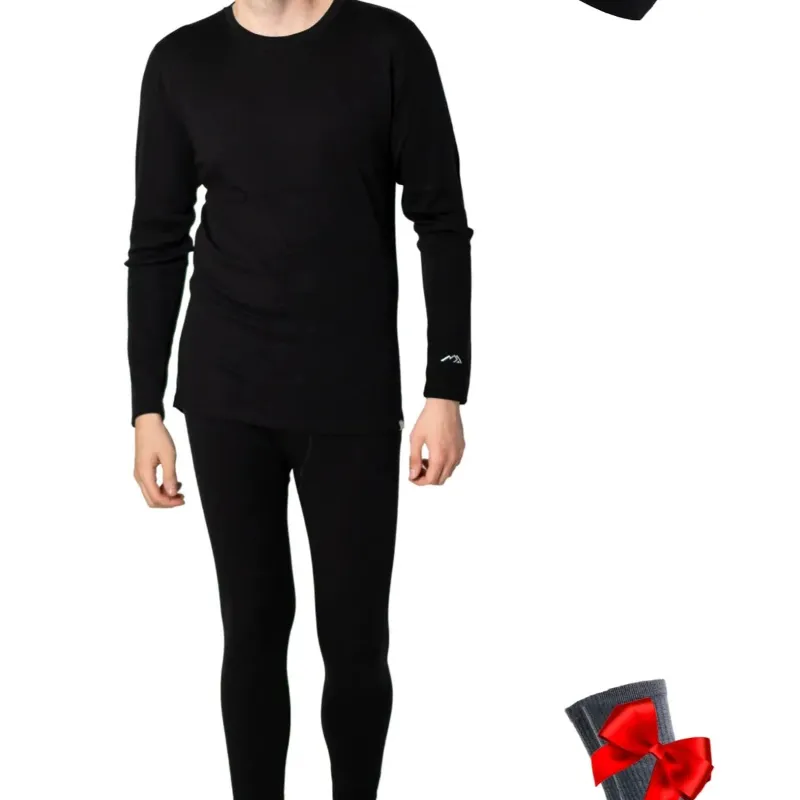
The crimp in merino fibers creates loft without bulk. A quality set like the men's merino tech merino thermal set 320 navy delivers serious warmth at a 320 gsm weight while still fitting under jeans or ski pants. Merino also wicks moisture away from skin as vapor rather than holding it as liquid, which keeps your core temperature stable.
Merino wool underwear benefits include natural antimicrobial properties that prevent odor buildup on multi-day trips. Synthetics trap bacteria and smell sour after a single hard day, while merino can go three to five days between washes.
What Synthetic Thermals Do Better
Polyester and nylon blends excel in high-output scenarios. Synthetic base layers move moisture to the surface faster than merino, which matters during aerobic activities like backcountry skiing or winter trail running. They also dry in half the time when you're washing gear in a hotel sink or drying by a campfire.
Durability is another synthetic advantage. Merino wool can pill or develop thin spots with heavy pack wear, while quality polyester holds up to friction better. Synthetic thermals also cost 30 to 50% less than comparable merino options, making them accessible for beginners building their first layering system.
The tradeoff? Synthetics lose nearly all insulating power when soaked. If you're caught in freezing rain or break through ice, wet polyester thermals cling to your skin and accelerate heat loss. Merino keeps working.
Comparing Warmth Across Real Conditions
We tested both materials in three scenarios: static cold exposure (standing around in 20°F weather), moderate activity (snowshoeing), and high output (ski touring).
| Scenario | Merino Wool | Synthetic |
|---|---|---|
| Static cold | Warmer, better wind resistance | Colder, requires more layers |
| Moderate activity | Comfortable, minimal clamminess | Slightly cooler but drier feel |
| High output | Can feel damp during peak sweat | Moves moisture faster, less warm at rest |
For everyday cold-weather wear and moderate winter sports, merino wool long johns paired with a merino wool t shirt kept us warmer across the day. Synthetic thermals required an extra mid-layer during inactive periods.
The REI Co-op merino wool men's underwear collection shows how outdoor specialists prioritize natural fibers for versatile cold-weather use.
Choosing the Right Base Layer for Your Activity
Pick merino wool underwear if you:
- Need all-day warmth with minimal layering
- Sweat moderately but spend time stationary (hunting, ice fishing, winter camping)
- Want to rewear base layers without washing
- Prefer natural fibers and softer hand feel
- Live in consistently cold, dry climates or face wet cold conditions
Pick synthetic thermals if you:
- Generate heavy sweat during winter workouts
- Need the fastest possible drying time
- Want budget-friendly options for kids or backup sets
- Prefer a tighter athletic fit
- Layer aggressively and use base layers primarily for moisture transport
For maximum versatility, we keep both. Merino wool thermal underwear handles our ski resort days and winter travel, while synthetic sets cover high-intensity backcountry days.
Weight and Fabric Options in Both Materials
Base layers come in lightweight (150-200 gsm), midweight (200-260 gsm), and heavyweight (260+ gsm) constructions. Merino wool underwear men and women can choose heavier weights that still breathe well. The men's merino.tech merino t-shirt 180 sits in the lightweight category and works as a standalone shirt in fall or a base layer in deep winter.
Synthetic thermals typically max out around 200 gsm because thicker polyester fabrics trap too much moisture against skin. You add warmth through mid-layers instead.
Blends split the difference. Some manufacturers combine merino with nylon or polyester cores for durability while keeping merino against your skin for comfort and odor control. These hybrids cost less than pure merino but retain most thermal benefits.
Care and Longevity
Merino requires gentler care. Wash in cold water on delicate cycle and lay flat or hang to dry. Avoid fabric softener, which coats fibers and reduces wicking. Proper care keeps quality merino wool underwear performing for three to five seasons.
Synthetics tolerate machine washing and drying on low heat, though we still air-dry to extend elasticity in waistbands and cuffs. They'll last five to seven seasons with regular use but develop permanent odor faster than merino.
Both materials benefit from occasional treatment with technical wash designed for performance fabrics. This removes body oils and restores water-repellent properties in blended fabrics.
Where to Buy and Current Discounts
Merino Tech specializes in temperature-regulating base layers for year-round wear. Their thermal sets combine comfort with technical performance at prices below premium outdoor brands. Check the latest price and grab the current 10% discount code on all orders.
For complete winter layering systems, pair your base layer with merino wool pants and a merino wool hoodie as your mid-layer. Don't forget wool socks or the merino lightweight crew socks - 3pk to keep your feet warm without bulk.
The best merino wool underwear women's and men's options balance fabric weight with intended use. Start with midweight thermal underwear for the widest temperature range, then add lightweight or heavyweight pieces as you dial in your personal layering system. Visit the store to compare options and see which construction matches your winter plans.
Frequently asked questions
Does merino wool underwear really keep you warmer than synthetic?
Yes, merino wool maintains better insulation when damp and provides more warmth at rest compared to synthetic base layers. Synthetics excel during high-output activities but lose insulating power when wet.
Can you machine wash merino wool thermal underwear?
Yes, wash merino thermals on a cold, delicate cycle and lay flat or hang to dry. Avoid hot water, fabric softener, and machine drying to prevent shrinkage and fiber damage.
How long does merino wool base layer last compared to synthetic?
Quality merino wool underwear lasts three to five seasons with proper care, while synthetic thermals last five to seven seasons. Merino may pill or thin in high-friction areas, but synthetics develop permanent odor faster.
What weight merino base layer do I need for winter?
Midweight merino thermal underwear in the 200 to 260 gsm range works for most winter activities. Choose lightweight for high output or layering, and heavyweight for extreme cold or low activity levels.
Do synthetic thermals smell worse than merino wool?
Yes, synthetic base layers trap odor-causing bacteria and typically smell after one hard day of use. Merino wool has natural antimicrobial properties that allow you to wear it three to five days between washes.
Is merino wool underwear worth the higher price?
For most winter users, yes. Merino provides better temperature regulation, odor resistance, and comfort across varied activity levels. Synthetics work well for dedicated athletic use or budget-conscious buyers who don't mind washing after every wear.