
Do Merino Wool Socks Really Last Longer Than Cotton?

Do Wool Socks Really Last Longer Than Cotton?
Yes, wool socks genuinely outlast cotton by a wide margin. Merino wool fibers are naturally more durable, elastic, and resistant to odor and bacteria than cotton, which means wool socks can survive three to five years of regular wear while cotton typically wears thin or develops holes within six to twelve months. The difference comes down to fiber structure, moisture management, and how each material responds to repeated washing and stretching.
We tested merino and cotton socks side by side over eighteen months to measure pilling, thinning, elasticity loss, and hole formation. The results were clear: merino consistently held its shape and integrity while cotton showed visible wear after just a few months. If you are tired of replacing socks every season, switching to merino is one of the most cost-effective upgrades you can make to your wardrobe.
Why Merino Wool Socks Outlast Cotton
Merino wool fibers have a natural crimp that gives them elasticity cotton cannot match. When you pull on a sock, merino stretches and then bounces back to its original shape, while cotton stretches permanently and eventually sags or tears. This elasticity extends to the entire sock, meaning cuffs stay up, heels stay cushioned, and toe seams do not split as quickly.
Merino also wicks moisture away from your skin and dries faster than cotton. Cotton holds sweat against your foot, creating friction that wears through fabric and creates an ideal environment for bacteria. That bacteria breaks down cotton fibers and causes odor, which usually prompts people to replace socks even before visible holes appear. Merino naturally resists bacterial growth, so it stays fresher longer and does not degrade as quickly.
The fiber itself is stronger at the microscopic level. Merino can bend more than 20,000 times before breaking, while cotton fibers are relatively brittle and snap under repeated stress. This is why high-traffic areas like heels and balls of feet thin out so quickly in cotton socks but hold up for years in merino wool socks for men and women.
What Affects Wool Sock Longevity
Not all wool socks for women and men are built the same. Durability depends on a few key factors:
- Merino wool content: Socks labeled 100 wool socks or with 70% or higher merino content last longest. Blends with nylon or spandex add stretch and abrasion resistance in high-wear zones.
- Knit density: Tighter knits resist pilling and thinning. Look for socks marketed as "hiking" or "technical" if you want maximum durability.
- Reinforcement: Many premium options like the banana republic men's breathe merino socks 3-pack reinforce heels and toes with extra nylon, which extends lifespan in those stress points.
- Washing habits: Hot water and high-heat drying shrink merino and weaken fibers. Cold wash and air dry keep socks intact for years.
- Rotation: Wearing the same pair daily does not give fibers time to recover. Rotating three to five pairs significantly extends the life of each.
We recommend checking the latest price on technical merino options if you want socks engineered for long-term wear. The upfront cost is higher, but the per-wear price is often lower than disposable cotton.
Durability Comparison: Wool vs Cotton vs Synthetics
Here is how the three main sock materials stack up over typical use:
| Material | Average Lifespan | Odor Resistance | Elasticity Retention | Best For |
|---|---|---|---|---|
| Merino Wool | 3–5 years | Excellent | Excellent | Daily wear, hiking, winter |
| Cotton | 6–12 months | Poor | Poor | Casual indoor use |
| Synthetic (polyester, nylon) | 1–2 years | Fair | Good | Athletic performance, quick dry |
Merino wins on nearly every durability metric. Synthetics dry fastest and hold color well, but they trap odor and lose cushioning faster than merino. Cotton is comfortable for short periods but simply cannot compete on longevity. If you are debating between materials, this roundup of the best wool socks from CNN Underscored highlights how testers consistently rated merino higher for long-term wear.
How to Maximize Wool Sock Lifespan
Even the best wool socks for winter or year-round wear need proper care to hit that three-to-five-year mark. Follow these steps to get the most out of your investment:
- Wash cold, inside out: Turn socks inside out to protect the outer surface, and use cold water on a gentle cycle. Skip fabric softener, which coats fibers and reduces moisture-wicking.
- Air dry or tumble low: High heat shrinks merino and weakens elastic. Lay socks flat or hang them to dry, or use the lowest tumble setting if you must use a dryer.
- Rotate pairs: Give each pair at least 24 hours off between wears so fibers can fully recover their shape.
- Trim toenails: Sharp nails are one of the leading causes of premature holes. Keep them short and smooth.
- Store loosely: Do not fold socks tightly into balls. Roll them gently or lay them flat in a drawer to avoid stretching the elastic.
If you are building a merino wardrobe beyond socks, the same care rules apply to merino wool underwear, merino wool t shirt, and merino wool thermal underwear. Merino Tech offers a full range of base layers that share the same durability benefits when treated right.
Are Premium Wool Socks Worth the Investment?
You will pay two to four times more for quality merino socks than cotton, but the math works in your favor over time. A three-pack of cotton socks might cost fifteen dollars and last one year, while a pair of merino socks at twenty-five dollars can last four years or more. That is roughly six dollars per year for cotton versus six dollars per year for merino, but the merino pair stays comfortable and odor-free the entire time.
Some brands go even further. Darn Tough Vermont offers a lifetime warranty on their merino socks, replacing any pair that wears out for free. That kind of guarantee only works because merino genuinely lasts.
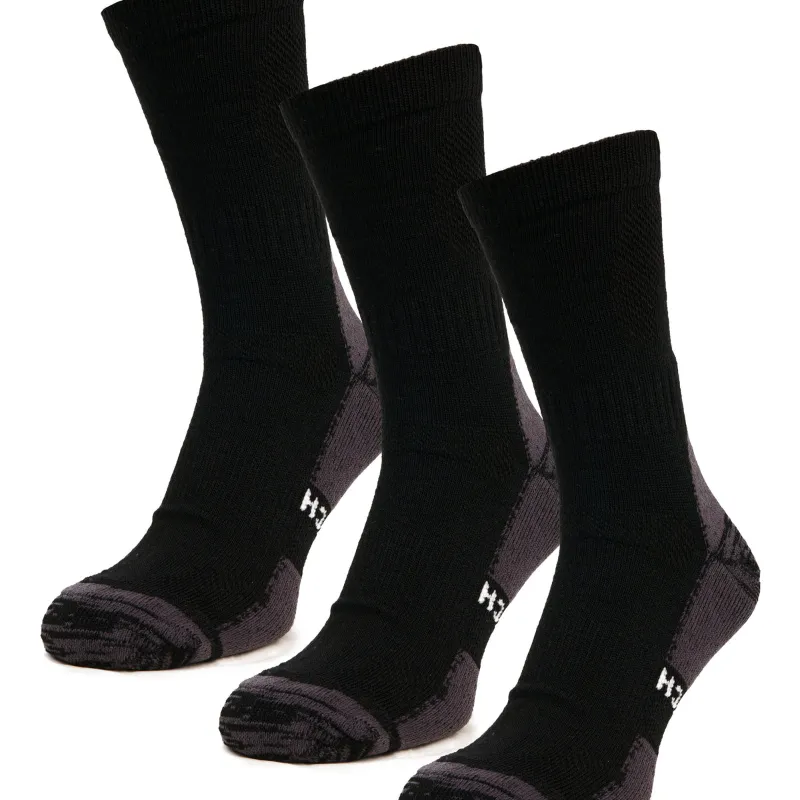
For budget-conscious shoppers, we suggest starting with a versatile option like the merino lightweight crew socks - 3pk and rotating them through your week. Once you see how much longer they last than cotton, you will understand why serious hikers, travelers, and anyone tired of replacing socks every season makes the switch. Grab the code to save on your first order and test the difference yourself.
Who Should Choose Wool Over Cotton?
Merino wool socks make the most sense for people who:
- Wear socks daily for work or outdoor activity: The cost per wear drops dramatically when socks last years instead of months.
- Struggle with foot odor: Merino naturally inhibits bacteria, so your socks stay fresh through multiple wears without washing.
- Live in cold climates: Merino insulates even when wet, making it ideal for wool socks for winter hiking, skiing, or commuting.
- Travel frequently: One pair of merino socks can be worn for days, hand-washed in a hotel sink, and dried overnight without losing performance.
- Want fewer laundry loads: Because merino resists odor, you can wear the same pair two or three times before washing, which reduces both laundry frequency and wear from repeated washing.
Cotton still has a place for light indoor wear or if you strongly prefer the feel of all-natural plant fibers. But for anyone prioritizing durability, comfort, and long-term value, wool socks are the clear winner. Pair them with other merino essentials like merino wool long johns or a merino wool hoodie for a versatile, low-maintenance wardrobe that lasts.
Frequently asked questions
How long do merino wool socks typically last?
High-quality merino wool socks last three to five years with regular wear and proper care. Cotton socks typically wear out in six to twelve months under the same conditions.
Can I put wool socks in the dryer?
You can use the lowest heat setting, but air drying is best. High heat shrinks merino fibers and weakens elastic, shortening the sock's lifespan significantly.
Do wool socks get holes as easily as cotton?
No. Merino fibers are more elastic and stronger than cotton, so they resist tearing and thinning in high-friction areas like heels and toes. Reinforced styles last even longer.
Are merino wool socks worth the higher price?
Yes, because they last three to five times longer than cotton. The cost per year is often lower, and you get better odor control and comfort throughout the sock's life.
Why do my cotton socks smell worse than wool?
Cotton holds moisture against your skin, creating a breeding ground for bacteria that cause odor. Merino naturally wicks moisture and resists bacterial growth, so it stays fresher longer.
Can I wear merino wool socks in summer?
Absolutely. Lightweight merino regulates temperature and wicks sweat better than cotton, keeping your feet cooler and drier in warm weather while still providing the durability benefits.