
What Weight Merino Wool Do You Need for Cold Weather Layering?

What Weight Merino Wool Do You Need for Cold Weather Layering?
The right merino wool underwear weight depends on your activity level and the temperature range you face. Lightweight 150-180 GSM fabrics work for active pursuits in moderate cold, midweight 200-250 GSM suits most winter days, and heavyweight 320 GSM delivers maximum warmth for extreme conditions or low-intensity activities. We tested options across the weight spectrum to help you match fabric density to your cold-weather needs.
Understanding Merino Wool Fabric Weight
Merino wool fabric weight is measured in grams per square meter (GSM), and the number tells you how much fiber is packed into the knit. A merino wool t shirt at 180 GSM feels soft and stretchy against your skin, while merino wool thermal underwear at 250 GSM or higher delivers noticeably more insulation and wind resistance.
The weight categories break down like this:
- Lightweight (150-180 GSM): breathable base layers for aerobic activity, spring and fall weather, or as a summer sleep layer
- Midweight (200-250 GSM): versatile everyday warmth for winter commuting, moderate hiking, and general cold-weather wear
- Heavyweight (280-320 GSM): maximum insulation for stationary work, extreme cold, or overnight winter camping
Higher GSM fabrics feel thicker and trap more air, which translates to better insulation. But they also dry more slowly and can feel restrictive during high-output activity, so the "warmest" option is not always the best choice.
Choosing the Right Weight for Your Activity
Your movement level matters more than the thermometer reading. We recommend matching fabric weight to how much heat your body generates, not just the outdoor temperature.
High-Output Activities (running, backcountry skiing, winter cycling): stick with lightweight 150-180 GSM. A men's merino.tech merino t-shirt 180 wicks sweat quickly and prevents that clammy, overheated feeling when you are pushing hard. Pair it with a shell layer for wind protection rather than relying on a heavier base layer.
Moderate Activity (day hiking, snowshoeing, walking the dog): midweight 200-250 GSM hits the sweet spot. This is the range where merino wool underwear and merino wool long johns deliver warmth without bulk, and they transition well from outdoor exertion to indoor warmth without forcing you to strip down immediately.
Low Activity (ice fishing, winter photography, static belay): heavyweight 280-320 GSM makes sense. The men's merino tech merino thermal set 320 navy provides serious insulation when your body is not generating much heat, and the extra thickness blocks wind better than lighter knits.
Layering Strategy by Temperature Range
Cold-weather dressing works best when you build a system rather than relying on a single heavy layer. We layer merino base layers with insulating mid-layers and weather-resistant shells to adapt to shifting conditions.
| Temperature Range | Base Layer Weight | Additional Layers |
|---|---|---|
| 30-45°F | Lightweight 150-180 GSM | Light fleece or softshell |
| 15-30°F | Midweight 200-250 GSM | Insulated jacket, wind layer |
| Below 15°F | Heavyweight 280-320 GSM | Down or synthetic puffer, hardshell |
For most winter days, we start with midweight merino wool thermal underwear on the bottom and a 200 GSM top, then add or remove outer layers as needed. This approach keeps your base layer in the sweet spot where it manages moisture without trapping too much heat.
Do not forget your extremities. Wool socks in a midweight knit (around 200-230 GSM) handle most winter boots, while a merino wool hoodie adds versatile warmth you can wear as a mid-layer or standalone piece.
Merino Wool Underwear Benefits Across All Weights
Every weight class of merino shares core performance traits that synthetic fabrics struggle to match. The fiber naturally regulates temperature by absorbing moisture vapor before it condenses on your skin, which means you stay drier and more comfortable whether you are sweating or static.
Merino also resists odor buildup better than polyester or nylon, so you can wear the same merino wool underwear for multiple days on a backpacking trip without that sour funk. This matters more with base layers than any other clothing category, since they sit directly against your skin in warm, humid conditions.
The fabric stays soft even after repeated washing, and it does not hold static cling the way synthetics do. Higher-quality merino blends often mix in a small percentage of nylon or elastane for durability and stretch, which extends the life of high-wear items like merino wool long johns and socks.
For a deep dive into performance options, REI's merino wool underwear collection showcases the range of weights and styles available from multiple brands.
How to Match Weight to Gender-Specific Fit
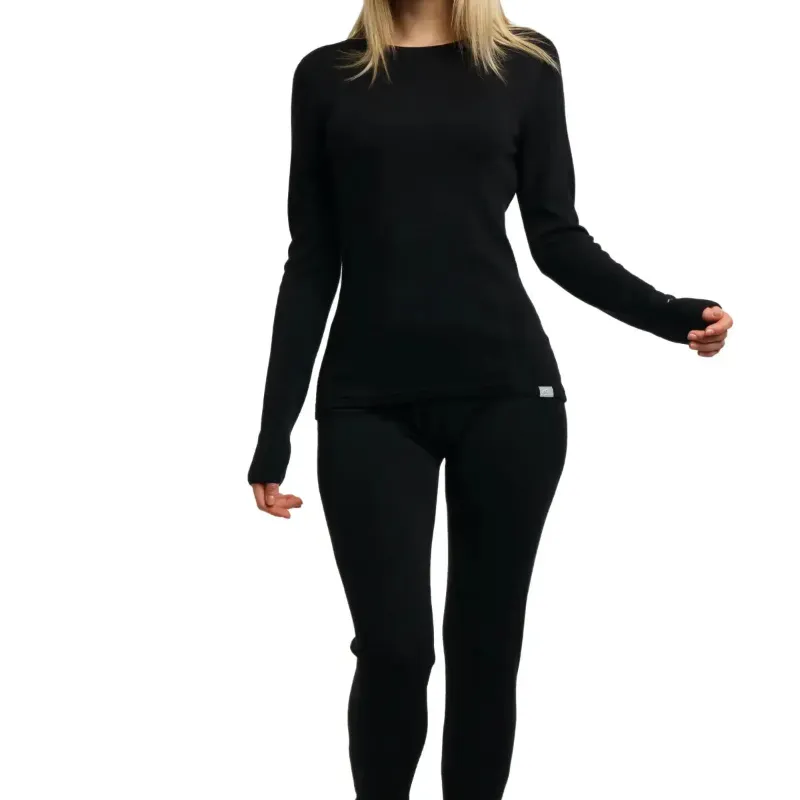
Merino wool underwear women's and men's versions differ in cut and weight distribution, even when the GSM rating is identical. Women's styles typically feature a closer fit through the torso and hips, with flatlock seams positioned to avoid pressure points under pack straps or harnesses.
Merino wool underwear men's options often run slightly heavier in the same weight class because the knit structure accommodates a looser fit. A 250 GSM men's top might feel similar in warmth to a 230 GSM women's top that sits closer to the skin and traps body heat more efficiently.
We have also seen discussions on merino wool underwear Reddit threads about sizing up in lightweight fabrics for a more relaxed fit, or sizing down in heavyweight options to maximize contact warmth. Test the fit before committing to a full layering system, especially if you are switching from synthetic base layers.
Care and Durability Across Fabric Weights
Heavier merino fabrics resist pilling and abrasion better than lightweight knits, but they also take longer to dry after washing. We wash all our merino in cold water on a gentle cycle and lay flat or hang to dry, regardless of weight.
Lightweight 150-180 GSM pieces dry overnight indoors, which makes them ideal for travel or hut-to-hut trips where you are washing and rotating gear. Heavyweight 320 GSM merino wool thermal underwear can take 24 hours or more to dry fully, so plan for an extra set if you are relying on it for multi-day cold-weather use.
Avoid fabric softener, which coats the fibers and reduces moisture-wicking performance. A merino-specific wool wash helps maintain the fiber's natural lanolin, but regular detergent works fine if you keep the water cool and skip the dryer.
For current pricing on any of these options, check the latest deals and grab our discount code before you stock up for winter.
Putting It All Together
Start with a midweight 200-250 GSM base layer system if you are building your first merino kit. A quality merino wool t shirt and matching bottoms handle the widest range of conditions without forcing you to buy multiple weights right away.
Add a lightweight 150-180 GSM option once you know which winter activities make you run hot, and consider a heavyweight 280-320 GSM set only if you spend significant time stationary in deep cold. Most winter adventurers find that two weights—one for active days, one for moderate cold—cover 90% of their needs.
Do not overlook accessories. A pair of merino lightweight crew socks - 3pk in your rotation prevents blisters and keeps your feet warm in winter boots, while merino wool pants work as a comfortable mid-layer or standalone pant for around camp.
Visit our Merino Tech discount code page to save on your next order and build a cold-weather layering system that actually works.
Frequently asked questions
What is the best merino wool underwear weight for everyday winter wear?
Midweight 200-250 GSM merino wool underwear works best for everyday winter activities. This weight provides solid insulation without overheating during normal movement, and it transitions comfortably between indoor and outdoor environments.
Can I wear lightweight merino wool in freezing temperatures?
Yes, if you are doing high-output activities like running or backcountry skiing. Lightweight 150-180 GSM merino wicks sweat efficiently and prevents overheating, and you can layer a shell or insulated jacket over it for wind protection and extra warmth during breaks.
How do I know if I need heavyweight merino thermal underwear?
Choose heavyweight 280-320 GSM thermal underwear if you spend extended time stationary in cold weather, such as ice fishing, winter photography, or static belay. For active pursuits, heavyweight fabrics trap too much heat and dry slowly.
Does merino wool underwear shrink when you wash it?
Merino can shrink if exposed to hot water or machine drying. Wash in cold water on a gentle cycle and air-dry flat or hanging to maintain the original fit across all fabric weights.
Is there a difference between men's and women's merino wool base layers in the same weight?
Yes, the cut and seam placement differ even when the GSM rating is identical. Women's merino base layers typically fit closer to the body and trap heat more efficiently, while men's versions often have a looser fit that requires slightly heavier fabric for the same warmth.
How many sets of merino wool underwear do I need for a winter trip?
Two sets cover most multi-day trips. Merino resists odor naturally, so you can wear one set for two to three days, then rotate to the second while the first dries. Lightweight fabrics dry faster than heavyweight options, which matters for longer adventures.