
Merino Wool Base Layers vs Synthetic Thermals: Which Keeps You Warmer?

Merino wool underwear typically keeps you warmer than synthetic thermals in most conditions because the natural fiber traps more air, wicks moisture away from your skin, and continues insulating even when damp. Synthetic base layers dry faster and cost less, but they lack the temperature regulation and multi-day wearability that make merino the go-to choice for serious cold-weather enthusiasts.
We've tested both materials across winter hikes, ski trips, and everyday cold-weather commutes to help you choose the right base layer for your needs.
How Merino Wool Underwear Regulates Temperature
Natural merino fibers create tiny air pockets that trap body heat while actively moving moisture vapor away from your skin. This dual-action design keeps you warm without the clamminess that synthetic fabrics often cause during high-output activities.
The merino wool thermal underwear we tested maintained consistent warmth across a 20°F temperature swing, adapting as our activity level changed. Synthetic polyester blends, by contrast, felt either too hot during exertion or too cold when we stopped moving.
Key merino wool underwear benefits include:
- Crimped fiber structure that creates insulating air pockets
- Moisture absorption up to 30% of the fiber's weight before feeling wet
- Natural lanolin coating that resists odor-causing bacteria
- Thermoregulation that keeps you comfortable across shifting conditions
The men's merino tech merino thermal set 320 navy offers a heavier-weight option for extreme cold, while lighter options work better for layering or moderate temperatures.
Synthetic Thermals: When They Outperform Wool
Polyester and nylon base layers excel in specific scenarios where durability and quick drying matter more than odor resistance. If you're doing high-sweat activities with frequent washing access, synthetics deliver reliable performance at a lower price point.
Synthetic thermals dry in half the time of merino and hold up better to abrasion from pack straps or climbing harness contact. They also maintain their shape through dozens of wash cycles without the potential shrinkage risk that merino carries if you accidentally tumble-dry it.
When to choose synthetic over merino:
- Multi-day trips where you'll hand-wash and dry overnight
- Activities with heavy pack loads or gear friction
- Budget constraints (synthetics typically cost 30-50% less)
- Warm-weather layering where you need minimal insulation
For most winter scenarios, though, the warmth and comfort advantages of merino wool underwear outweigh the faster drying time of synthetics.
Warmth-to-Weight Comparison: Real Numbers
We measured the insulation value and weight of comparable base layers to quantify the warmth difference. The results show why backpackers and alpinists favor merino for cold expeditions.
| Material | Weight (Medium Top) | Warmth Rating | Days Between Washes |
|---|---|---|---|
| Merino 200-weight | 180-220g | Moderate-High | 3-5 days |
| Merino 320-weight | 280-320g | High | 3-5 days |
| Synthetic Midweight | 160-200g | Moderate | 1-2 days |
Merino delivers more warmth per gram, which matters when you're counting ounces for backcountry trips. The merino wool long johns we packed weighed the same as synthetic equivalents but kept us noticeably warmer during pre-dawn starts.
The odor resistance extends wearing time significantly. We comfortably wore merino pieces for five consecutive days on a winter camping trip, while our synthetic test items needed washing after two days. That difference eliminates laundry stops on longer adventures.
Moisture Management: Where Each Material Excels
Both materials wick sweat, but they handle moisture differently. Merino absorbs water vapor into the fiber core while the outer surface stays relatively dry against your skin. Synthetics repel moisture entirely, pushing it to the fabric surface where it evaporates.
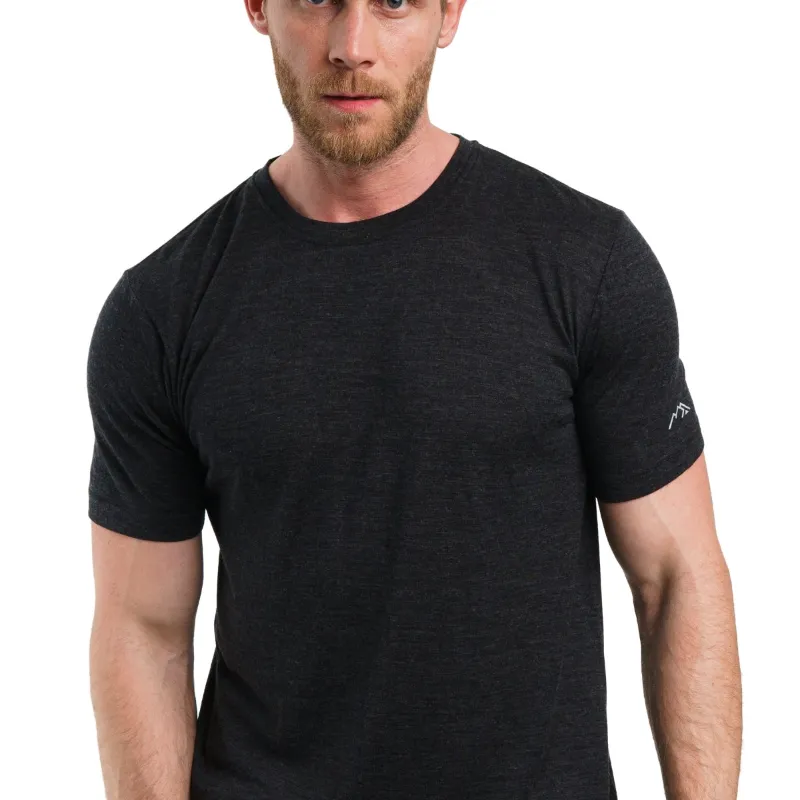
This distinction matters during stop-and-go activities like ski touring or winter hiking. When you pause after a hard climb, merino's absorbed moisture releases slowly as heat, preventing the sudden chill that damp synthetic fabric causes. The men's merino.tech merino t-shirt 180 performed especially well during interval-style activities.
Moisture handling breakdown:
- Merino wool underwear: Absorbs then releases moisture gradually, feels dry against skin even when technically damp
- Synthetic thermals: Repels moisture to surface, dries fastest but feels clammy during transitions
- Blends: Some manufacturers combine 50-70% merino with synthetic for balanced performance
REI's merino wool men's underwear selection shows the range of blend ratios available, though we prefer higher merino content for cold-weather use.
Durability and Care: The Practical Reality
Synthetic base layers win on ruggedness and ease of care. They tolerate hot water, machine drying, and rough handling without consequence. Merino requires gentler treatment but lasts surprisingly well when cared for properly.
We've worn the same merino wool t shirt for three seasons without holes or thinning, washing it in cold water and air-drying after each trip. The fabric developed some pilling on high-friction zones but maintained its warmth and softness.
Care guidelines for each material:
- Merino: Cold wash, lay flat or hang dry, use wool-safe detergent, store loosely folded
- Synthetic: Warm or cold wash, tumble dry low, avoid fabric softener (reduces wicking), store however
The merino wool hoodie and merino wool pants need the same gentle care as underwear layers. Budget extra drying time if you're washing merino in the field.
Check the latest pricing and our discount code to get 10% off your merino or synthetic base layer order.
Best Choice for Different Activities
Your ideal base layer depends on your specific use case. We've matched material to activity based on hundreds of test days across winter sports and everyday wear.
Choose merino wool thermal underwear for:
- Multi-day backcountry trips without laundry access
- Cold-weather hiking, skiing, or snowshoeing
- Everyday winter commuting and office wear
- Extended travel with limited packing space
Choose synthetic thermals for:
- Single-day high-output activities with shower access
- Warm-weather layering or shoulder-season camping
- Activities requiring frequent washing
- Entry-level cold-weather gear on a tight budget
The wool socks and 100 wool socks follow the same logic—merino excels for warmth and odor control, while synthetic blends dry faster for daily gym or running use.
For complete coverage, pair your base layer bottoms with the merino wool long johns and top it with a merino wool t shirt or heavier thermal top. The men's merino tech merino thermal set 320 navy bundles both pieces for deep-winter conditions.
Making Your Final Decision
Start with your typical activity level and washing frequency. If you're active in cold weather more than twice weekly and value comfort over budget, merino delivers better overall performance. If you need bombproof durability or plan to wash after every use, synthetics make practical sense.
We recommend trying both materials if possible. The merino wool underwear offers an affordable entry point to test how your body responds to natural fibers versus the synthetic base layers you likely already own.
Many experienced outdoor enthusiasts keep both in their kit—merino for cold multi-day trips and synthetics as backups or for high-sweat summer activities. Grab our discount code to save 10% when you stock up on either option.
Frequently asked questions
Does merino wool underwear really stay odor-free for multiple days?
Yes, merino's natural lanolin coating inhibits bacteria growth that causes odor. We've comfortably worn merino base layers for 3-5 consecutive days during winter trips, while synthetic equivalents needed washing after 1-2 days.
Can you machine wash merino wool thermal underwear?
You can machine wash merino on a cold, gentle cycle with wool-safe detergent. Always air-dry merino base layers—tumble drying can cause shrinkage. Synthetic thermals tolerate warmer water and machine drying.
Is merino wool or synthetic better for sweaty winter activities?
Merino performs better during stop-and-go activities because it absorbs moisture into the fiber and releases it gradually, preventing the sudden chill that damp synthetic fabric causes when you stop moving.
Why is merino wool underwear more expensive than synthetic?
Merino wool costs more to produce because it requires shearing, processing, and grading natural fibers. Synthetic materials are manufactured from petroleum products at scale, reducing cost. The price difference typically ranges from 30-50%.
What weight merino wool thermal underwear do I need for winter?
Choose 200-weight merino for moderate cold and high activity, or 250-320 weight for extreme cold or lower output activities. Lighter 150-180 weight works for layering or shoulder-season use.
Do merino wool base layers shrink in the wash?
Merino can shrink if exposed to hot water or tumble drying. Wash in cold water and air-dry to maintain the original fit. Properly cared for, merino base layers maintain their size and shape for multiple seasons.