
Do Model Helicopter Kits Require More Skill Than Fixed-Wing Aircraft Models?

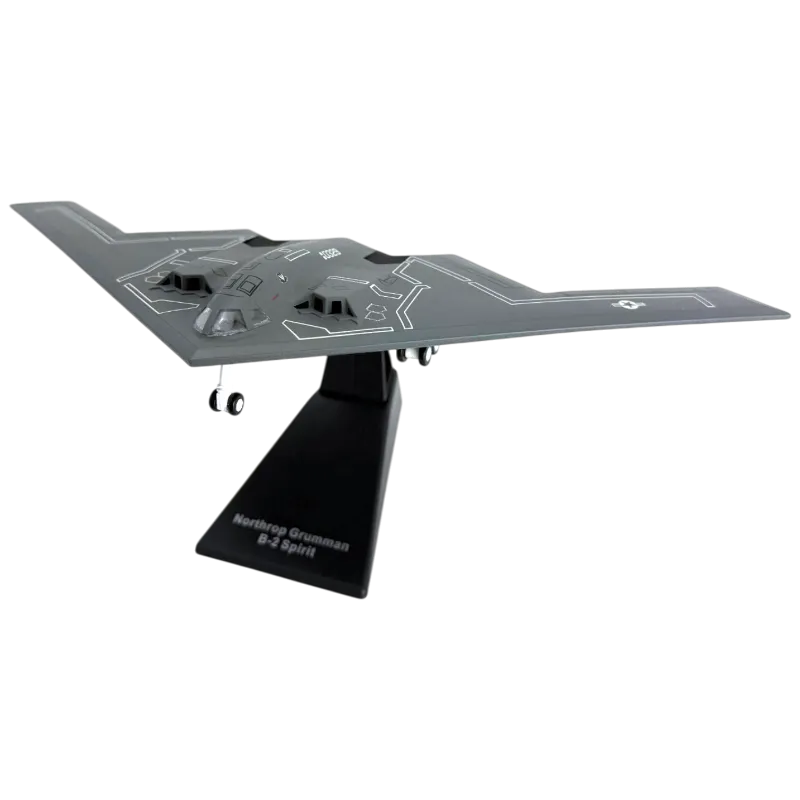
Model helicopter kits generally require more technical skill than fixed-wing military aircraft models due to complex rotor systems, intricate mechanical linkages, and precise balance requirements. While both categories challenge hobbyists, helicopters involve more moving parts and demand tighter tolerances during assembly. Fixed-wing models like jets and bombers offer a more forgiving entry point, especially for beginners tackling their first scale replica.
Why Helicopter Kits Challenge Even Experienced Builders
Helicopter models such as the CH Griffin and Boeing AH-64D Apache Longbow feature rotating main and tail rotor assemblies that must spin freely while maintaining perfect alignment. A single misaligned bearing or unbalanced blade creates vibration that ruins the finished display piece or prevents flight in RC versions. The swashplate mechanism alone contains a dozen tiny linkages that require patience and steady hands to assemble correctly.
Fixed-wing military aircraft like the F 22 Raptor model or Mcdonnell Douglas F 15A Eagle rely on simpler construction. You bond fuselage halves, attach wings, and add detail parts. The structural integrity comes from large glued joints rather than precision-fitted mechanical systems. Even complex jets with multiple ordnance pods and opening canopies rarely match the part count of a detailed attack helicopter.
Part Count and Assembly Time Comparison
The table below shows typical differences between helicopter and fixed-wing kits at similar scales:
| Feature | Helicopter Kits | Fixed-Wing Aircraft |
|---|---|---|
| Average part count (1:48 scale) | 180-350 pieces | 80-180 pieces |
| Moving mechanical assemblies | 3-6 (rotors, landing gear, doors) | 1-3 (landing gear, control surfaces) |
| Typical build time | 25-45 hours | 12-25 hours |
Helicopter rotors require individual blade attachment, pitch adjustment hardware, and often photoetched metal detail parts. The A-7E Corsair or A 7E attack jets feature comparatively straightforward assembly with fewer opportunities for mechanical failure.
Which Military Aircraft Types Suit Beginners Best
We recommend starting with Cold War or modern fixed-wing jets before attempting rotary-wing subjects. The Royal Canadian Air Force C 17 transport offers large, easy-to-handle parts and minimal small detail work. Second World War aeroplanes like Spitfires and Mustangs provide iconic subjects with manageable part counts and widely available references.
For those interested in unmanned systems, the Predator unmanned aerial vehicle and similar Predator drones bridge the gap between traditional fixed-wing aircraft and more complex builds. These kits typically feature simplified landing gear and fewer cockpit details while introducing interesting sensor turret assemblies.
- Easiest: Large-scale transports and bombers with minimal moving parts
- Intermediate: Single-engine fighters and ground-attack jets with detailed cockpits
- Advanced: Multi-engine aircraft with complex landing gear
- Expert: Any helicopter model with full rotor head detail
Check our discount code page for current pricing across the full range of difficulty levels.
Skills Helicopter Kits Teach That Fixed-Wing Models Don't
Building a scale Apache or Griffin helicopter forces you to master mechanical assembly techniques rarely needed in conventional aircraft. You'll learn to install tiny ball bearings, align concentric shafts, and balance rotating assemblies. These skills translate directly to other precision hobbies like watchmaking or RC vehicle modification.
The U.S. Air Force operates both fixed-wing and rotary aircraft, and their maintenance crews receive specialized training for each type. Scale modelers experience a simplified version of this distinction. Helicopter detail parts often include brass or aluminum components that require different adhesives and handling compared to styrene plastic.
Paint schemes present another challenge. Military helicopter camouflage wraps around complex curves and rotor housings, while fixed-wing patterns follow more predictable panel lines. Masking a UH-60 fuselage takes twice as long as masking an F-15 wing.
Advanced Techniques for Military Aircraft Models of Both Types
Regardless of whether you choose helicopters or fixed-wing subjects, photoetched detail sets elevate any build. The American MD11 layout benefits from metal seatbelts and instrument panels, while attack helicopters shine with etched blade antennas and sensor arrays.
Weathering techniques differ between the two categories. Transport and ground-attack helicopters accumulate heavy dust and exhaust staining around engine intakes. Jets display more subtle panel fading and exhaust discoloration. Study reference photos of actual military aircraft types before applying weathering products.
- Apply flat clear coat before weathering to protect base paint
- Use dark washes in panel lines and around rivets
- Dry-brush raised details with lighter shades
- Add exhaust staining with airbrush or pastel chalks
- Seal weathering with another flat coat layer
For both helicopters and jets, pre-shading panel lines before applying the main color creates depth that makes the model pop under display lighting.
Materials and Tools You'll Need for Each Category
Helicopter kits demand precision tools that fixed-wing builders can sometimes skip. A pin vise with drill bits from 0.3mm to 1.5mm becomes essential for clearing rotor hub pivot points. Needle files smooth mechanical parts that must slide freely. Cyanoacrylate glue (super glue) works better than plastic cement for many helicopter detail parts made from resin or metal.
Fixed-wing aircraft models work well with standard plastic modeling supplies: liquid cement, sanding sticks, sprue cutters, and hobby knives. The military aircraft list maintained by manufacturers like Airbus shows the variety of subjects available, from agile fighters to massive transports.
Both categories benefit from quality paintbrushes or an airbrush for finish work. Grab our latest discount code to save on paint and supplies along with your kit purchase.
Making the Right Choice for Your Skill Level
Assess your current experience honestly before committing to a helicopter build. If you've completed fewer than five aircraft models, stick with fixed-wing subjects until you've mastered basic construction, painting, and decal application. The techniques you develop building jets and propeller planes transfer directly to helicopters once you're ready.
Experienced modelers looking for a new challenge will find helicopter kits rewarding precisely because they demand different skills. The satisfaction of completing a perfectly balanced rotor assembly or aligning a complex landing gear system exceeds the accomplishment of bonding another fuselage together.
Consider your display goals too. Fixed-wing military aircraft often look more dramatic on stands that suggest flight, while helicopters benefit from detailed groundwork dioramas showing their low-altitude missions. Both categories offer decades of fascinating subjects spanning from Vietnam-era gunships to cutting-edge stealth platforms.
Frequently asked questions
Are helicopter model kits harder to paint than fixed-wing aircraft?
Helicopter kits present more masking challenges due to curved surfaces and complex rotor housings, but the painting difficulty is comparable once you've planned your approach. Both require careful attention to panel lines and camouflage patterns.
Can I build a military aircraft model without prior experience?
Yes, start with a large-scale fixed-wing kit like a transport or single-engine fighter. These offer fewer parts and more forgiving assembly compared to helicopters or multi-engine bombers.
How long does it take to build a detailed helicopter model?
Most 1:48 scale helicopter kits require 25 to 45 hours of assembly and painting time, roughly double what comparable fixed-wing aircraft demand. Complex subjects with full rotor head detail can exceed 50 hours.
Do helicopter kits require special tools?
Helicopter models benefit from precision drill bits, needle files, and quality cyanoacrylate glue for mechanical assemblies. Fixed-wing aircraft typically work fine with standard plastic modeling tools.
Which military aircraft types are easiest for beginners?
Cold War jets, modern transports, and World War II single-engine fighters offer the most approachable builds. These kits feature manageable part counts and straightforward assembly sequences.
Are unmanned aerial vehicle models easier than manned aircraft?
UAV models like the Predator typically fall between basic fixed-wing aircraft and advanced jets in difficulty. They simplify cockpit details but often include intricate sensor equipment.