
What's the Difference Between 1/48 and 1/72 Scale for Military Aircraft Models?

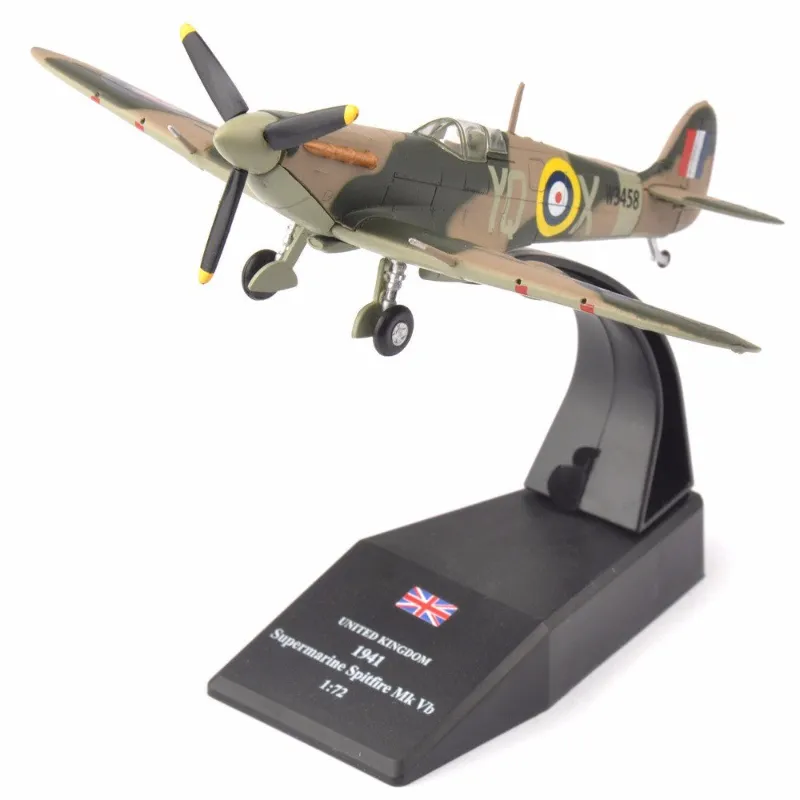
The main difference between 1/48 and 1/72 scale military aircraft models is size—1/48 scale models are 50% larger than 1/72, which means they show more detail but take up significantly more shelf space. Both scales are popular among collectors and builders, but each suits different display goals, skill levels, and budgets.
We've built dozens of models in both scales and tested everything from second world war aeroplanes to modern jets. This guide breaks down the practical differences so you can pick the right scale for your collection.
What Do 1/48 and 1/72 Scale Actually Mean?
Scale is the ratio between the model and the real military aircraft. A 1/48 scale model is 1/48th the size of the actual plane, while 1/72 is 1/72nd.
Here's how that translates in real dimensions:
| Aircraft Type | Real Length | 1/48 Scale | 1/72 Scale |
|---|---|---|---|
| F-22 Raptor | 62 ft | ~15.5 inches | ~10.3 inches |
| A-7E Corsair | 46 ft | ~11.5 inches | ~7.7 inches |
| C-17 Globemaster | 174 ft | ~43.5 inches | ~29 inches |
The f 22 raptor model in 1/48 scale will be half again as long as the same kit in 1/72. For smaller fighters like the a-7e corsair, the difference is manageable, but for transport aircraft like the royal canadian air force c 17, 1/48 becomes a serious space commitment.
Size and Display Space Requirements
1/72 scale is the more compact option. A typical single-engine fighter fits comfortably on a 12-inch shelf, and even larger bombers or transports remain displayable in a standard bookcase. If you're building a fleet or have limited space, 1/72 lets you showcase more aircraft types without overwhelming your room.
1/48 scale demands dedicated display areas. Multi-engine bombers and modern jets can exceed 20 inches in wingspan, and helicopters like the boeing ah-64d apache longbow require custom stands or deep shelves. The upside is commanding presence—a 1/48 mcdonnell douglas f 15a eagle becomes a centerpiece rather than just another model.
We recommend measuring your display space before committing to 1/48, especially for Cold War jets or larger military aircraft types.
Detail Level and Build Complexity
1/48 scale offers noticeably more surface detail. Panel lines are crisper, cockpit interiors are easier to paint, and aftermarket upgrade sets provide photoetched parts that genuinely improve realism. Advanced builders appreciate the extra room for weathering, custom decals, and scratchbuilt details.
1/72 scale packs impressive detail into a smaller footprint, but fine work—like painting instrument panels or adding rivet detail—requires steadier hands and better lighting. Modern 1/72 kits from quality manufacturers rival older 1/48 kits in molding sharpness, but you'll still find fewer aftermarket options.
For beginners, 1/72 can actually be easier. Smaller parts mean faster assembly, less paint required, and shorter build times. If you want to try a predator unmanned aerial vehicle or ch griffin helicopter without a month-long project, 1/72 is the pragmatic choice.
Price and Availability Across Military Aircraft Types
1/72 scale kits are generally cheaper. You'll find a wider selection of obscure variants, experimental prototypes, and older military aircraft names that never made it to 1/48. Collectors hunting specific second world war aeroplanes or Cold War interceptors often default to 1/72 because it's the only scale available.
1/48 scale commands premium pricing, especially for newer toolings with full interiors and optional weapon loads. Expect to pay 30-50% more than the equivalent 1/72 kit. However, the investment pays off in shelf impact and resale value—completed 1/48 builds hold collector interest longer.
Check current pricing with our code to compare both scales side by side. AirModels stocks everything from a 7e attack jets to modern predator drones, and the 10% sitewide discount applies across all scales.
Which Scale Suits Your Collection Goals?
Choose 1/72 scale if you want to:
- Build a diverse collection covering multiple eras and military aircraft list categories
- Display 20+ models without dedicating an entire room
- Explore rare variants or experimental types
- Keep per-kit costs lower
- Complete builds faster (most 1/72 kits finish in 10-20 hours)
Choose 1/48 scale if you want to:
- Showcase 3-5 hero aircraft as display centerpieces
- Maximize visible detail and weathering opportunities
- Work with extensive aftermarket upgrade ecosystems
- Invest in long-term collector value
- Enjoy longer, more involved builds (30-50+ hours per kit)
Many serious modelers maintain collections in both scales. We keep 1/72 for breadth—covering everything from WWII bombers to modern UAVs—and reserve 1/48 for signature builds like the mcdonnell douglas f 15a eagle or iconic jets from the top 10 military planes lists.
Mixing Scales in a Display
Mixing scales works if you organize thoughtfully. Group by scale on separate shelves, or create era-specific dioramas where scale differences aren't directly compared. A 1/48 fighter on one shelf and a 1/72 transport on another reads as intentional curation, not inconsistency.
Avoid placing different scales of the same aircraft type side by side—it breaks the illusion and highlights the size disparity. If you're building both a 1/48 and 1/72 version of the same jet, display them in different rooms or rotate them seasonally.
Getting Started With Either Scale
Both scales offer entry-level kits and expert-grade challenges. Start with a single-engine fighter or light attack aircraft to learn the basics, then graduate to multi-engine bombers or helicopters like the boeing ah-64d apache longbow.
Modern kits from reputable manufacturers include detailed instructions, pre-painted parts, and optional decal schemes. Older kits—especially 1/72 short-run or limited editions—demand more experience with filling, sanding, and scratchbuilding.
Grab the discount code before starting your next build. AirModels ships quickly, and their selection covers both scales across fighters, transports, helicopters, and UAVs. Whether you're hunting a specific variant from a military aircraft book reference or browsing the full military aircraft list with pictures, you'll find quality kits at competitive pricing.
The right scale depends on your space, budget, and how you want your collection to grow. We've found that 1/72 builds libraries, while 1/48 builds monuments—both have earned permanent places on our shelves.
Frequently asked questions
Can I display 1/48 and 1/72 scale military aircraft together?
Yes, but organize them on separate shelves or by era to avoid direct size comparisons. Mixing scales works when each model is viewed independently rather than side by side with the same aircraft type.
Which scale is better for beginners building model jets?
1/72 scale is often easier for beginners because smaller parts mean faster assembly, less paint, and shorter build times. You'll complete your first few kits more quickly and build confidence before tackling larger 1/48 projects.
How much shelf space does a 1/48 scale fighter jet need?
Most 1/48 single-engine fighters need 12-18 inches of length and 10-15 inches of wingspan clearance. Larger jets like the F-15 Eagle or multi-engine aircraft require 20+ inches and deeper shelves.
Are 1/72 scale models less detailed than 1/48?
Modern 1/72 kits offer excellent detail, but 1/48 provides more surface area for panel lines, cockpit interiors, and weathering. The difference matters most to advanced builders adding custom details or photoetched upgrades.
Where can I find rare military aircraft types in smaller scales?
1/72 scale has the widest selection of obscure variants, experimental prototypes, and older aircraft that never received 1/48 toolings. Check specialized retailers like AirModels for hard-to-find kits across both scales.
Do 1/48 scale kits cost significantly more than 1/72?
Yes, expect to pay 30-50% more for 1/48 kits due to larger plastic volume, more detailed moldings, and premium packaging. However, discounts and coupon codes can narrow the price gap considerably.