
What Is a Stevedore Hook and When Should Dock Workers Use One?

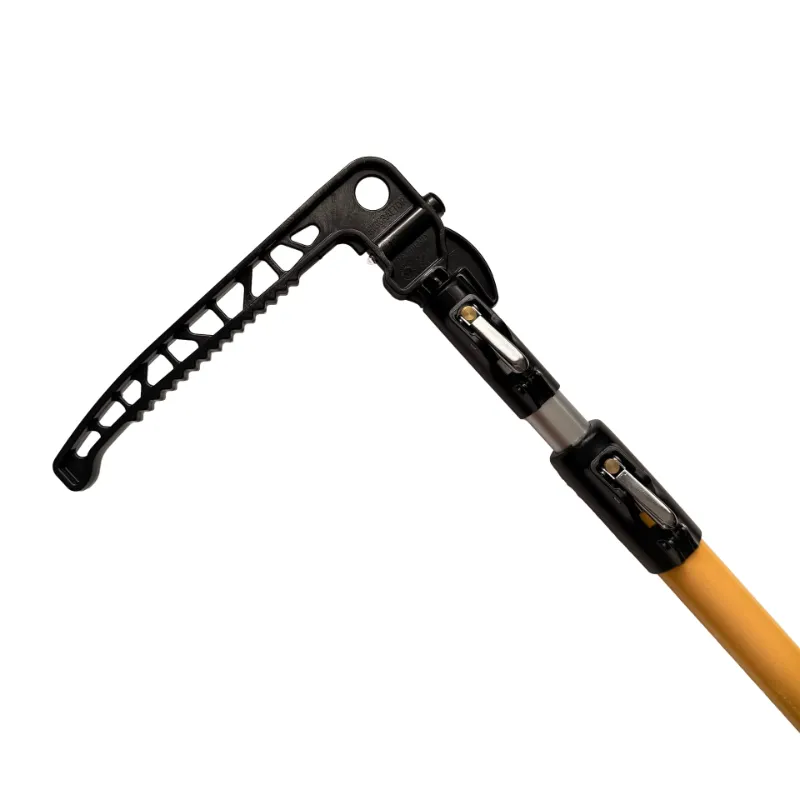
# What Is a Stevedore Hook and When Should Dock Workers Use One?
If you've ever watched cargo being loaded or unloaded at a dock, you've probably seen a longshoreman swinging a long-handled hook to drag, guide, and position heavy loads. That tool is a stevedore hook — one of the oldest and most trusted pieces of manual cargo-handling equipment in the maritime world.
In this guide, we'll break down exactly what a stevedore hook is, how it differs from similar tools like a bale hook or hay hook, and — most importantly — when dock workers should (and shouldn't) reach for one.
What Is a Stevedore Hook?
A stevedore hook (also called a longshoreman's hook, cargo hook, or pallet hook) is a heavy-duty steel hook mounted on a wooden or steel handle, typically 18 to 36 inches long. Dock workers use it to snag, drag, balance, and steer cargo — everything from lumber and sacks to pallets and bales — as it moves between ship and shore.
The design is simple but brilliant: a sharpened, curved hook paired with a T-shaped or straight handle that gives the worker leverage and control. You can explore the history of these tools in this Smithsonian collection of a Cargo Hook, which shows how little the fundamental design has changed over more than a century.
Wikipedia's overview of the Cargo hook also covers how these tools appear across industries — from maritime docks to forestry — with only minor variations in shape and handle length.
Stevedore Hook vs. Bale Hook vs. Hay Hook: What's the Difference?
These hooks are cousins, but they're built for different jobs:
- Stevedore hook (longshoreman's hook): Long handle, thick forged hook, designed for dragging and guiding cargo on docks and in holds.
- Bale hook: Shorter, often with two prongs, used to grab compressed bales of cotton, hay, or recycled material.
- Hay hook: A smaller single-pronged hook used in agriculture to move hay bales. If you're curious about the design details, this Hay Hook - Tools, ID, and pictorial reference from iForgeIron is a great pictorial guide — and it's a favorite among collectors hunting for a hay hook antique.
Don't confuse any of these with the pop-culture "hook hand pirate" image or a modern hook hand prosthetic — a stevedore hook is a tool you hold, never something worn.
When Should Dock Workers Use a Stevedore Hook?
1. Guiding Loads During Crane Lifts
When a crane swings a load of lumber or palletized goods into position, someone on the dock needs to catch it, turn it, and guide it into place. A stevedore hook lets workers do this at a safe distance, keeping hands away from pinch points and crush zones.
2. Dragging and Positioning Cargo in Ship Holds
In the confined space of a ship's hold, forklifts can't always reach. The hook lets a worker drag heavy items — planks, sacks, coils — without bending down or getting under the load.
3. Breaking Loose Stuck or Jammed Cargo
Loads shift at sea. A stevedore hook is ideal for prying apart cargo that has settled or jammed together, giving the worker leverage without direct hand contact.
4. Separating and Stacking Unit Loads
Pulling one plank or bag from a stack, squaring up a load, or repositioning a pallet edge — these are everyday hook tasks that save time and reduce back strain.
When NOT to Use One
- Never on suspended loads over people. Always follow site lifting protocols.
- Never to lift with your body over the load path. The hook guides cargo; it doesn't replace rigging.
- Not for hardened or wrapped steel strapping — use the right tools instead (more on that below).
- Inspect before every shift. A cracked handle or worn hook tip is an accident waiting to happen.
Supporting Tools Every Dock Worker Should Know
A stevedore hook is just one part of a dock worker's kit. Depending on the cargo, these tools pair naturally with it:
Securing Loads: Strapping Tools
Once cargo is positioned, it needs to be secured. A quality strap gun (tensioning tool) tightens steel or PET strapping around unit loads so they survive the journey. If your loads are launched or re-positioned regularly, a pneumatic strap launcher speeds up the process considerably, and a strap winch winder or a strap winder for drill makes reclaiming and rewinding used strap fast and tangle-free.
Safe Access: Ladders and Steps
Docks, flatbeds, and rail cars all demand safe climbing equipment. A sturdy flatbed trailer ladder makes loading and unloading from trailers far safer than improvising. For general dock and yard access, lorry steps and a versatile ladder train cover a wide range of heights. Rail-side work calls for a purpose-built railway ladder that fits the equipment safely.
Carrying Your Kit
Between the hook, strapping tools, and safety gear, dock workers carry a lot. A rugged rpg launcher strap doubles as a dependable heavy-duty carrying strap for tools that need to move with you along the dock.
Save on your whole kit: RigCraftor currently offers 5% OFF All Orders — grab the latest code on our discount page before you check out.
Choosing the Right Stevedore Hook
When shopping for a stevedore hook, look for:
- Forged steel construction — cast hooks can crack under shock loads.
- A sharpened tip for biting into wood and fiberboard.
- A handle length that matches your work — shorter for hold work, longer for guiding crane loads at distance.
- A secure, riveted or welded connection between hook and handle.
- Comfortable grip — you'll be swinging it for hours.
A well-made stevedore hook is a lifetime tool when maintained properly — keep the tip sharp, check the handle for cracks, and store it dry.
Safety Tips for Using a Cargo Hook
- Keep both hands on the tool and your feet clear of the load path.
- Communicate with crane operators and vehicle drivers before guiding any load.
- Wear gloves and steel-toe boots — hooks slip, and dropped cargo doesn't forgive.
- Never modify the hook by grinding or heating it, which can weaken the steel.
- Stand to the side, never behind, a load you're dragging — if it rolls, you don't want to be in its way.
Final Thoughts
The stevedore hook has earned its place on docks worldwide through over a century of hard use. It's simple, tough, and irreplaceable for guiding, dragging, and positioning cargo safely. Pair it with the right access equipment and strapping tools, inspect it before every shift, and it will serve you for decades.
Ready to upgrade your cargo-handling kit? Browse our stevedore hook and complete tool range — and don't forget your 5% off code from the RigCraftor discount page.
Frequently asked questions
What is a stevedore hook used for?
A stevedore hook is a long-handled steel hook used by dock workers (stevedores/longshoremen) to drag, guide, and position cargo during loading and unloading.
What's the difference between a stevedore hook and a bale hook?
A stevedore hook has a long handle and heavy single hook for guiding dock cargo. A bale hook is shorter and often double-pronged for grabbing compressed bales, while a hay hook is a small single-prong hook used in agriculture to move hay.
Is a stevedore hook safe to use?
Yes — when used correctly. It lets workers guide and drag loads from a safe distance, keeping hands away from pinch and crush zones. Always inspect the hook before use and never stand in the load path.
Do dock workers wear the hook on their hand?
It's a tool held in the hand — the 'hook hand' imagery comes from pirates and fiction, and modern hook hand prosthetics are medical devices. A stevedore hook always remains a separate tool.
Where can I get a discount on RigCraftor tools?
You can get 5% OFF all orders using the code from the RigCraftor discount page.