
How to Tension Cargo Straps Properly: Strap Gun vs Strap Winder for Drill vs Pneumatic Strap Launcher

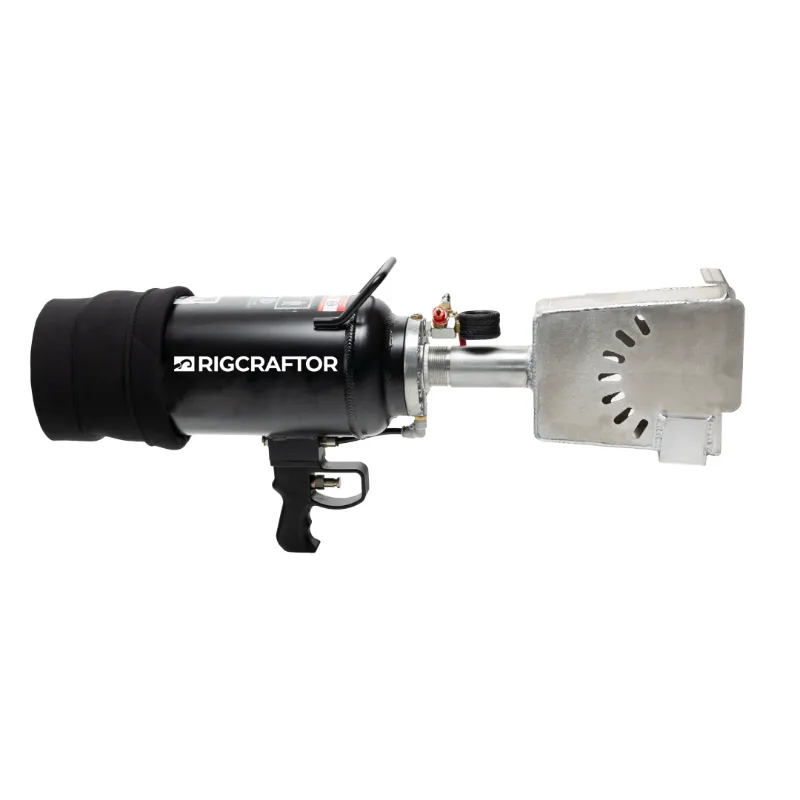
A strap winder for drill turns your cordless drill into a strap-retrieval machine, slashing the time it takes to wind loose webbing back onto ratchet hooks after a delivery. Whether you run a single flatbed or manage a full haulage fleet, choosing the right tensioning tool changes how fast and how safely your crew can secure a load. Here is a plain-language breakdown of three main options so you can pick the one that suits your operation.
Why Proper Cargo-Strap Tension Matters
Under-tensioned straps shift loads in transit. Over-tensioned straps stress cargo corners and damage webbing. Neither outcome is acceptable on a flatbed, a rail wagon, or any vehicle where a moving load can cause injury or a fine. Before comparing tools, it helps to understand what you are trying to achieve: consistent, repeatable tension that keeps every strap within its rated working load limit.
A stevedore hook is often the starting point, giving dockers and flatbed crews a positive grip on webbing and loops before tensioning begins. Getting that first connection right makes the rest of the job cleaner regardless of which tool you use downstream.
Strap Winder for Drill: Best for Flatbed Speed
A strap winder for drill is a drill-powered attachment that fits most standard cordless drills and spins loose webbing back into a neat coil in seconds. Truckers and flatbed operators have been discussing this exact workflow for years, and the consensus is clear: hand-rolling straps at the end of a long shift is one of the most avoidable time-wasters in transport.
The RigCraftor strap winder for drill is built around this use case. Key advantages:
- Works with most cordless drills you already own
- Winds loose webbing in a fraction of hand-rolling time
- Reduces repetitive-strain risk for drivers making multiple drops per day
- Compact enough to stow in a cab toolbox
- Ideal as a winch strap winder for drill on flatbed winch bars
If you are specifically running a strap winder for flatbed work, look for a 4-inch-wide version. A 4 inch strap winder for drill handles the wider webbing common on heavy-freight flatbeds without folding or jamming the strap edge.
Strap Gun: Best for Consistent Tension on Every Strap
A strap gun is a hand-operated tensioning tool designed to pull webbing tight and lock it in a single motion. It does not wind straps back; it applies and holds tension precisely. Where the drill-powered winder saves time on retrieval, the strap gun saves time on application.
Typical strap gun advantages:
- No power source required
- Works in wet or cold conditions where battery tools can struggle
- Provides measurable, consistent tensioning force
- Suits operators who need to tension a large number of straps on a single load without recharging
For crews working mixed loads across lorry steps and flatbed rigs, a strap gun is a practical always-in-the-cab option.
Pneumatic Strap Launcher: Best for High-Volume Warehouse or Yard Work
The pneumatic strap launcher sits at the top of the performance ladder. It uses compressed air to feed, tension, and sometimes seal strapping in industrial-volume environments. This is not a tool for occasional use; it rewards operations that are securing dozens of loads per shift.
Compare all three tools at a glance:
| Tool | Power Source | Best Use Case | Portability |
|---|---|---|---|
| Strap winder for drill | Cordless drill | Flatbed strap retrieval | High |
| Strap gun | Manual | On-road tensioning | Very high |
| Pneumatic strap launcher | Compressed air | Yard / warehouse volume | Low |
The rpg launcher strap is the carrying strap designed to work alongside launcher-style tools, keeping the pneumatic unit accessible without setting it down on a dirty dock floor.
Choosing the Right Tool for Your Setup
Run through these questions before buying:
- How many straps per shift? Fewer than 20, a strap gun is enough. 20 to 50, a drill winder pays for itself quickly. More than 50 per shift at a fixed location, consider pneumatic.
- What strap width? A flatbed strap winder for drill needs to match your webbing width. Check the spec before ordering.
- Do you have compressed air on-site? The pneumatic launcher needs a reliable air supply. If your yard does not have fixed airline points, a cordless drill solution is more practical.
- What else is in your access kit? If your crew uses a flatbed trailer ladder to reach over-height loads, a compact drill-powered winder stores neatly in the same kit bag without adding bulk.
A strap winch winder is a closely related product worth considering if your trailer uses winch-bar systems rather than ratchets. It is purpose-built for winding webbing onto winch bars and is compatible with most drill chucks, making it a natural companion to the standard ratchet strap winder for drill setup.
Compatibility and Setup Tips
- Check your drill's chuck size (most 10 mm or 13 mm chucks accept standard winder shanks)
- Keep drill speed moderate; high RPM can tangle lightweight webbing
- Inspect webbing for frays before winding; damaged straps should not be re-used
- Store wound straps away from direct sunlight and sharp edges to protect the webbing
If you want background on how drill-powered strap winders are used in the real trucking world, third-party listings give useful buyer Q&As that confirm which strap widths and drill types are most compatible.
Where to Buy and How to Save
RigCraftor stocks all three tensioning tools as well as access equipment including the ladder train and railway ladder for rail-side operations. If you are kitting out a flatbed crew or a haulage depot, buying the tensioning tools and the access gear together makes sense.
You can grab the current discount code to get 5% off your order across the full RigCraftor range. That saving adds up quickly when you are ordering multiple units for a fleet.
Before you check out, verify the latest pricing and availability on the tools you need, since stock levels on specialist equipment like the pneumatic launcher can move quickly.
Frequently asked questions
What is a strap winder for drill and how does it work?
A strap winder for drill is a drill-bit-style attachment that connects to any standard cordless drill chuck and spins loose cargo webbing back into a coil. You feed the end of the strap into the winder slot, pull the drill trigger, and the webbing winds up neatly in seconds rather than being rolled by hand.
What width straps does a 4 inch strap winder for drill handle?
A 4 inch strap winder for drill is designed for wide flatbed webbing, typically straps up to 4 inches across. Always check the product spec before ordering to confirm it matches your strap width, as using a winder that is too narrow can fold or jam the webbing.
Can I use a strap gun and a drill winder on the same rig?
Yes, and many flatbed operators do exactly that. The strap gun applies and holds tension during load securing, while the drill winder retrieves loose webbing quickly at the end of a drop. They solve different parts of the same job and complement each other well.
When does it make sense to upgrade to a pneumatic strap launcher?
A pneumatic strap launcher makes sense when you are securing a high volume of loads at a fixed location with access to a compressed-air supply. For on-road or multi-drop work, a cordless drill winder is more practical because it does not need a fixed airline.
Is a strap winch winder the same as a ratchet strap winder for drill?
They are similar but not identical. A strap winch winder is optimised for winding webbing onto trailer winch bars, while a ratchet strap winder for drill is shaped to retrieve loose webbing from ratchet-style tie-downs. Check which tie-down system your trailer uses before choosing.
Does RigCraftor offer a discount code for tensioning tools?
Yes. RigCraftor currently offers a sitewide discount on all orders, including tensioning tools and access equipment. Visit the RigCraftor discount code page on this site to find the current code and check the latest pricing before you order.