
Swim Binder vs Regular Chest Binder: Which One for Water Activities?

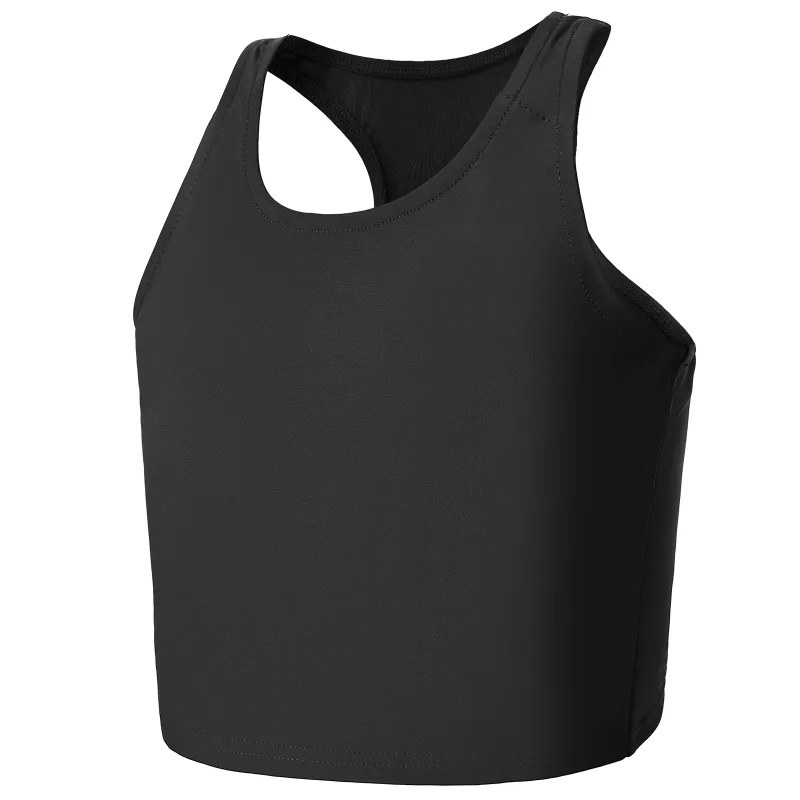
Swim Binder vs Regular Chest Binder: Which One for Water Activities?
A swim binder is specifically engineered for water activities with quick-dry fabrics and compression that stays secure when wet, while regular chest binders absorb water and lose shape in pools or open water. If you plan to swim, surf, or spend time at the beach, a purpose-built swim binder will perform better and dry faster than trying to adapt a daily-wear binder.
We tested both types across materials, drying time, and compression stability to show you exactly what separates them and when each option makes sense.
Why Regular Binders Fail in Water
Standard chest binders like the wonababi binder use cotton-spandex blends or nylon-spandex that work beautifully for everyday wear but create problems in water:
- Water retention – cotton and standard nylon absorb and hold moisture, adding weight and taking hours to dry
- Compression loss – wet fabric stretches unevenly and loses the snug fit that provides effective binding
- Chafing risk – damp fabric bunches and rubs against skin during movement, especially in saltwater
- Visibility – soaked binders often show through or cling awkwardly under swim shirts
A regular binder will technically function in water for a quick dip, but extended swimming sessions become uncomfortable and the garment takes half a day or more to dry completely.
How Swim Binders Are Built Differently
Purpose-designed swim binders like the swimming chest binder solve these issues with specialized construction. The key differences include quick-dry polyester or nylon-elastane blends that wick moisture away from skin, flatlock seams that prevent irritation when wet, and compression panels engineered to maintain consistent pressure even after full submersion.
Most swim binders dry in 30 to 90 minutes when hung in shade, compared to 4 to 8 hours for a cotton-blend daily binder. The fabrics also resist chlorine degradation and saltwater stiffness better than standard materials.
We recommend checking the latest pricing and our exclusive code before you buy, since Wonababi regularly updates their swim collection with seasonal colors and fits.
Material and Performance Comparison
| Feature | Swim Binder | Regular Chest Binder |
|---|---|---|
| Fabric | Quick-dry polyester-spandex | Cotton-spandex or standard nylon |
| Dry time | 30–90 minutes | 4–8 hours |
| Chlorine resistance | High | Low to moderate |
| Compression when wet | Stable | Loosens and stretches |
The swimming binder uses the same compression principles as a daily binder but swaps absorbent fibers for hydrophobic synthetics. You still get a flat chest profile, but the garment behaves more like a rash guard or competitive swimsuit in terms of water interaction.
For readers researching options, the list of swim binder resources offers community-tested recommendations across brands and body types.
Fit and Sizing Considerations
Swim binders typically run slightly more compressive than daily binders because wet fabric naturally relaxes. When you order a swim binder, follow the brand's swim-specific size chart rather than your usual binder size—many people size up for comfort during active swimming.
Key fit points to check:
- Armholes should sit flat without gaping, since water pressure can push fabric away from the body
- Length matters more in water; shorter styles can ride up during strokes, while longer styles stay anchored
- Shoulder straps on tank-style swim binders should be snug enough to prevent shifting but not so tight they dig in during overhead movements
The tank top binder style works well for swimming because the broader coverage prevents the bottom edge from rolling up. If you prefer a more traditional swim top look, pair a shorter swim binder with a rash guard or swim shirt for extra security.
When a Regular Binder Might Work
A daily-wear binder can handle water in specific low-stakes situations. If you only wade or lounge poolside occasionally, a sports binder made from moisture-wicking athletic fabric dries faster than cotton styles and provides moderate water performance. Similarly, if you already own a high-quality compression binder and need a one-time solution, wearing it under a dark rash guard reduces visibility issues while it dries.
But for regular swimmers, trans athletes, or anyone spending more than 20 minutes actively in water, the difference in comfort and performance justifies investing in a dedicated swim option. You can grab the current discount code to save on a proper swim binder rather than compromising with a repurposed daily garment.
Alternative Chest Binding Options for Water
Some people prefer alternatives to swim binders depending on activity level and desired compression. Breast binding tape or tape chest products work in water if applied correctly, though they require skill to apply without skin damage and may lose adhesion after 30 to 60 minutes of swimming. Tape works best for short beach sessions rather than lap swimming.
The Wonababi rosebabe offers a hybrid approach with reinforced compression suitable for light water activities, though it is not marketed as a true swim binder. For readers exploring multiple options, our top binder swimsuit picks includes full swim tops with built-in compression that eliminate the need for a separate binder layer.
Care and Longevity
Swim binders require different care than regular binders to maintain compression and fabric integrity. Rinse your swimming chest binder in cool fresh water immediately after swimming to remove chlorine, salt, and sunscreen residue. Hand wash with mild detergent and lay flat or hang to dry—never wring or machine-dry, as heat damages elastic fibers.
A well-maintained swim binder lasts 6 to 12 months of regular use, compared to 12 to 18 months for a daily binder that never sees water. Budget for replacement when you notice the compression weakening or the fabric becoming stiff or discolored.
Making Your Choice
Choose a swim binder if you swim weekly, participate in water sports, or spend extended time in pools or open water. The quick-dry fabric and stable compression justify the investment when water activity is a regular part of your routine.
Stick with a regular binder for daily wear and occasional water contact, and consider adding a swim binder to your rotation when you have the budget. Many people own both types and select based on the day's activities, just as you would choose different athletic gear for running versus weightlifting.
Before you purchase, visit our Wonababi coupon page to check the latest pricing and apply our exclusive 5% sitewide discount to either binder style.
Frequently asked questions
Can you swim in a regular chest binder?
You can swim in a regular chest binder for short periods, but it will absorb water, lose compression, and take 4 to 8 hours to dry. For regular swimming, a dedicated swim binder performs much better.
How long does a swim binder take to dry?
Most swim binders dry in 30 to 90 minutes when hung in a shaded area. Quick-dry polyester fabrics wick moisture away from the material much faster than cotton or standard nylon blends.
Do I need to size differently for a swim binder?
Many people size up for swim binders because the fabrics run slightly more compressive to account for stretching when wet. Always check the brand's swim-specific size chart rather than using your daily binder size.
Will chlorine damage my swim binder?
Swim binders use chlorine-resistant fabrics designed for pool use, but you should still rinse in fresh water after each swim. Daily binders are more vulnerable to chlorine degradation and color fading.
What is the best swim binder for active swimming?
Tank-style swim binders with flatlock seams and full torso coverage stay in place during strokes and prevent ride-up. Look for quick-dry polyester blends with stable compression that holds when wet.
Can I use binding tape instead of a swim binder?
Breast binding tape works for short beach sessions but typically loses adhesion after 30 to 60 minutes of active swimming. Tape also requires careful application technique to avoid skin damage.