
How to Safely Wear a Chest Binder: Duration, Fit, and Care Tips

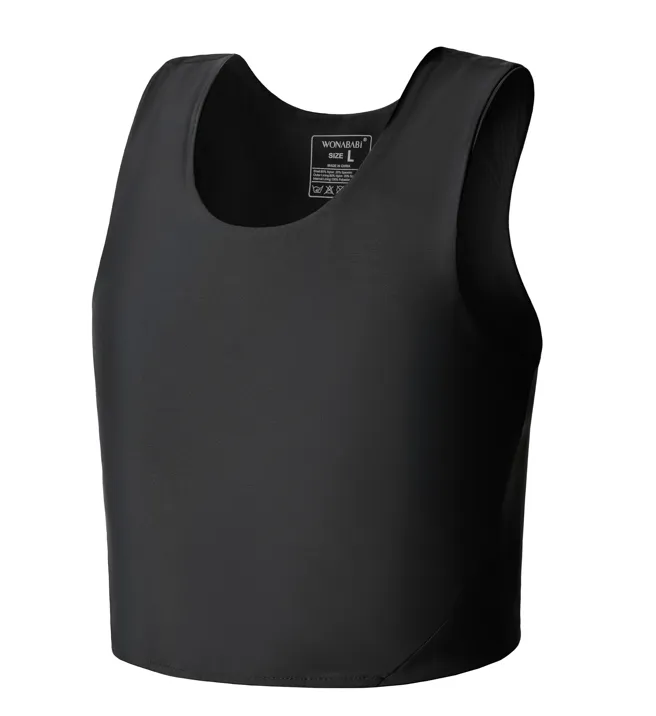
A swimming chest binder can be worn safely for up to 8 hours when sized correctly, but water activities require extra attention to fit, material choice, and post-swim care. Whether you're new to binding or looking for pool-safe options, understanding duration limits and proper maintenance ensures comfort and safety.
We tested popular swim-safe compression options to help you choose the right gear and care routine for active days in and out of the water.
How Long Can You Safely Wear a Swim Binder
The 8-hour rule applies to all binders, including swim-specific designs. Your body needs regular breaks to breathe, stretch, and recover from compression.
For water activities specifically:
- Wear your swim binder only during your actual pool or beach time, not all day leading up to it
- Remove it within 30 minutes after leaving the water to prevent prolonged moisture exposure
- Take a 15-minute break if you're swimming for more than 4 consecutive hours
- Never sleep in any binder, even quick-dry styles like the wonababi binder
Swimming binders use moisture-wicking fabrics that dry faster than everyday compression tops, but they still hold some water against your skin. Extended wear in damp fabric increases chafing and skin irritation risk. If you plan an all-day beach trip, bring a dry tank top binder or sports binder to change into after swimming.
Choosing the Right Swimming Chest Binder Fit
Proper fit is the single most important safety factor. A too-tight binder restricts breathing and rib expansion, while a loose one shifts during movement and fails to provide the compression you need.
Measure before you buy:
- Wrap a soft tape measure around the fullest part of your chest, keeping it level across your back
- Keep the tape snug but not tight (you should fit one finger underneath)
- Compare your measurement to the brand's size chart, not generic S/M/L assumptions
Most swim-safe options like the swimming binder run true to size, but if you're between measurements, size up. Water adds weight and pressure to fabric, so a borderline-tight binder on land becomes uncomfortable in the pool.
Red flags that your binder doesn't fit:
- You can't take a full, deep breath
- Numbness, tingling, or pain in your chest, back, or arms
- The bottom band rolls up repeatedly
- Visible indentation or red marks that last more than 10 minutes after removal
The Wonababi rosebabe and similar swim binders feature wider bottom bands that resist rolling in wet conditions, but they should still sit flat without digging into your skin. Check the latest price on swim-ready styles before committing.
Materials and Construction: What Makes a Binder Pool-Safe
Not all binders handle chlorine, salt water, and UV exposure equally. Standard cotton-blend everyday binders absorb water, take hours to dry, and lose elasticity after repeated pool use.
Swim-specific designs use nylon-spandex or polyester-spandex blends that:
- Repel water instead of absorbing it
- Dry in 30 to 60 minutes in open air
- Maintain compression strength through dozens of wash cycles
- Resist fading and fiber breakdown from chlorine
The swimming chest binder we tested dried noticeably faster than cotton alternatives and maintained its shape after 15 swim sessions. If you already own a standard binder and need occasional water coverage, consider breast binding tape or tape chest products as a waterproof alternative, though tape requires careful application and removal to avoid skin damage.
Avoid these materials in water:
- 100% cotton (stays wet, stretches out)
- Binders with metal clasps or hooks (rust, sharp edges)
- Velcro closures (trap sand, lose grip when wet)
For guidance on choosing swim-safe gear, the List of swim binder resources offers community-vetted recommendations across price points.
Caring for Your Binder After Swimming
Chlorine and salt accelerate fabric breakdown. A quick post-swim rinse extends your binder's lifespan by months.
Immediate care (within 30 minutes of leaving the water):
- Remove your binder in a private changing area
- Rinse it thoroughly under cool, fresh water for 60 seconds
- Gently squeeze out excess water without wringing or twisting
- Lay it flat on a towel to air dry, never in direct sunlight
Deep cleaning routine (after every 2-3 swims):
- Hand-wash in cool water with mild, fragrance-free detergent
- Let soak for 5 minutes, then rinse until water runs clear
- Press water out by rolling the binder in a dry towel
- Air dry flat or hanging, away from heat sources
Machine washing is possible for most swim binders if you use a mesh laundry bag, cold water, and the delicate cycle, but hand washing is gentler on elastic fibers. Never use fabric softener, which coats compression fabrics and reduces their effectiveness.
If you swim frequently, rotate between two binders so each has 48 hours to fully dry and recover its shape between uses. Grab the code for 5% off when buying multiples.
Who Should Consider Swim-Specific Options vs Alternatives
Swim binders suit active users who want full-torso compression in water, but they're not the only option for chest flattening during aquatic activities.
A swim binder works best if you:
- Swim regularly (weekly or more)
- Prefer the security of a garment over adhesive products
- Have sensitive skin that reacts to tapes or adhesives
- Want coverage that doubles as a rashguard or athletic top
Consider alternatives like breast binding tape if you:
- Swim occasionally (a few times per season)
- Have a smaller chest that responds well to tape compression
- Need flexibility for specific swimwear styles
- Already use tape successfully for everyday binding
Some users combine methods, wearing a tank top binder over tape for extra security during high-movement activities. For tips on whether binding is right for your swimming plans, Can I swim in a chest binder? covers safety considerations in detail.
The sports binder also works for swimming in a pinch, though it typically takes longer to dry than purpose-built swim styles. If you're exploring options and budget is tight, look for free binder programs that occasionally include swim-safe designs.
Recognizing When to Take a Break
Your body will signal when it needs rest from compression. Listen to these warnings:
- Shortness of breath during normal activity: Remove your binder immediately and take at least an hour off
- Sharp or persistent pain: Stop wearing the binder and give yourself 24 hours to recover before trying again
- Skin irritation or rash: Clean the affected area, apply a gentle moisturizer, and let skin heal completely before rebinding
- Dizziness or lightheadedness: This indicates restricted blood flow. Remove the binder and sit down until symptoms pass
Even a perfectly fitted wonababi binder or swimming binder requires breaks. Plan binding-free days into your week, especially if you wear compression daily. Your ribs, muscles, and skin tissue need time without pressure to maintain long-term health.
If you experience recurring pain or breathing difficulty, consult a healthcare provider familiar with binding practices. They can assess your technique, fit, and wear schedule to prevent injury.
Sizing Tips and Where to Find Swim Binders
Most swim binder brands provide detailed size charts based on chest circumference in inches or centimeters. Cross-reference your measurement with at least two size guides, since cuts vary between manufacturers.
The wonababi swim binder options we tested run consistent with their listed measurements. If you've worn other Wonababi products like the Wonababi rosebabe, you can typically stick with the same size across their swim line.
First-time buyer checklist:
- Measure yourself three times and use the average
- Read customer reviews specifically mentioning fit (not just overall satisfaction)
- Order during a return-friendly period so you can exchange if needed
- Budget for two binders if you swim more than twice weekly
Popular options mentioned in swim communities include swimming binder ftm styles designed with longer torsos and broader shoulder cuts. While we focus on Wonababi's line, understanding the wider market (including underworks swim binder, gc2b swim binder, and wivov swim binder references you may encounter) helps you comparison shop.
For current pricing and to use our exclusive discount code, visit the Wonababi coupon page before completing your purchase. The 5% sitewide offer applies to all swim and everyday binder styles.
Choosing the right swimming chest binder and wearing it correctly turns water activities from a source of dysphoria into genuine recreation. Focus on fit first, respect duration limits, and maintain your gear properly to enjoy safe, comfortable compression season after season.
Frequently asked questions
Can you wear a swimming chest binder in chlorinated pools?
Yes, swim binders are designed for chlorinated water. Rinse your binder thoroughly in fresh water within 30 minutes after swimming to prevent chlorine from breaking down the elastic fibers. Hand wash after every 2-3 pool sessions to extend its lifespan.
How tight should a swim binder feel?
A properly fitted swim binder should allow you to take full, deep breaths without restriction. You should be able to slide one flat hand between the binder and your chest. If you feel numbness, tingling, or see deep red marks, the binder is too tight and you need to size up.
What's the difference between a swim binder and a regular chest binder?
Swim binders use quick-dry nylon or polyester blends that repel water and dry in 30-60 minutes, while regular binders typically use cotton that absorbs water and takes hours to dry. Swim styles also resist chlorine and salt water damage better than everyday compression tops.
Can I sleep in my binder after swimming?
No, never sleep in any binder regardless of when you wore it. Your body needs at least 8 hours of compression-free rest every day. Remove your swim binder within 30 minutes after leaving the water and stay unbound until your next swimming session.
How do I know when my Wonababi swim binder needs replacing?
Replace your swim binder when it no longer provides adequate compression, shows visible fabric thinning or holes, loses elasticity and rides up frequently, or causes new discomfort despite proper fit initially. Most swim binders last 6-12 months with regular use and proper care.
Is binding tape better than a swim binder for occasional swimming?
Binding tape works well for occasional swimmers or those with smaller chests who respond to tape compression. Choose a swim binder if you swim weekly or more, prefer garment security over adhesive, or have sensitive skin that reacts to tape products.