
Binding Tape vs Chest Binder: Pros, Cons, and When to Use Each

Binding Tape vs Chest Binder: Pros, Cons, and When to Use Each
A swimming chest binder is purpose-built for water activities with quick-dry fabrics and secure compression, while binding tape offers flexible, skin-level binding for daily wear and versatile positioning. Both methods serve chest binding needs, but the right choice depends on your activity level, skin sensitivity, budget, and whether you need water resistance. We tested both approaches across multiple scenarios to help you decide which works best for your lifestyle.
What Makes a Swimming Chest Binder Different
Traditional chest binders use compression panels and hook-and-eye closures that lose effectiveness when wet. A proper swim binder features chlorine-resistant fabric, flatlock seams that prevent chafing, and materials that maintain compression underwater without trapping water against your skin.
The wonababi binder line includes swim-specific models engineered for pool and ocean use. These binders dry quickly after swimming and won't sag or bunch when saturated, unlike cotton-blend daily binders that absorb water and become heavy.
Key features of swim-specific binders:
- Quick-dry nylon or polyester blends that shed water
- Four-way stretch that maintains compression when wet
- Salt- and chlorine-resistant construction
- Flatlock or bonded seams to prevent irritation
- Built-in shelf support for even distribution
Brands like Wonababi, Underworks, and GC2B manufacture dedicated swim binders, and you can check the latest price for current models.
Binding Tape: Flexibility and Daily Wear
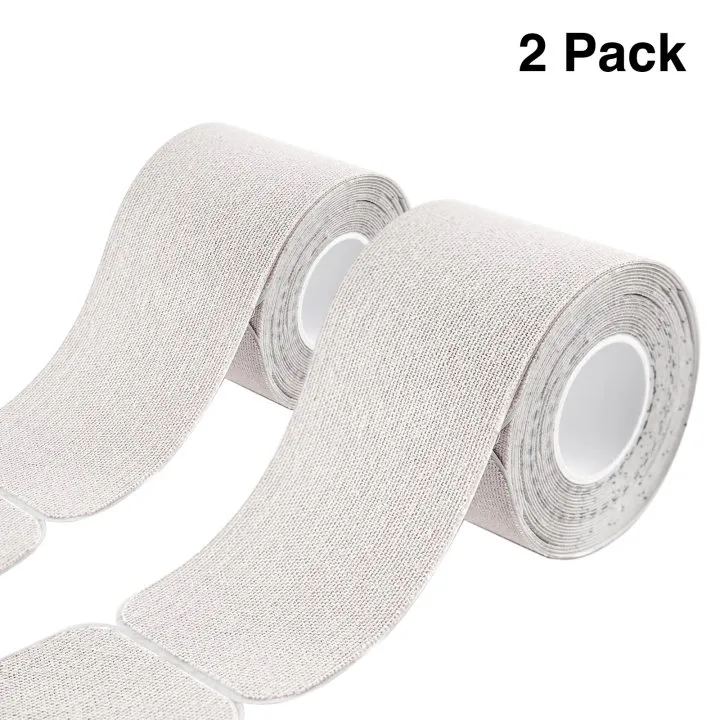
Breast binding tape applies directly to skin and provides custom coverage without full garment bulk. Medical-grade tape chest products use hypoallergenic adhesive designed for extended wear, and you can position tape to create the exact silhouette you need.
Pros of binding tape:
- Customizable placement for asymmetrical chests
- No visible lines under thin or fitted clothing
- Lightweight and travels easily
- Works with open-back or backless garments
- Lower upfront cost per roll
Cons of binding tape:
- Single-use or limited reuse (2-3 wears maximum)
- Requires practice to apply smoothly
- Adhesive can irritate sensitive skin
- Not water-resistant for swimming
- Removal requires care to avoid skin damage
- Higher long-term cost than reusable binders
Binding tape works best for short-term wear (6-8 hours), special occasions, or when you need to wear garments incompatible with traditional binders. It's not suitable for sleep, exercise, or water activities.
When to Choose a Chest Binder Over Tape
A reusable binder makes sense when you need consistent daily compression, plan to exercise or swim, or have sensitive skin that reacts to adhesives. The tank top binder and sports binder styles distribute pressure evenly across your torso, reducing hot spots and allowing full range of motion.
Best scenarios for binders:
- Swimming, water sports, or beach activities (use a dedicated swimming binder)
- Daily wear for work, school, or routine activities
- Physical activity including running, cycling, or gym workouts
- Long wear days (8+ hours)
- Budget-conscious long-term binding (one binder lasts 6-12 months)
The Wonababi rosebabe and similar daily-wear models provide breathable compression for extended use. For swimming specifically, the swimming chest binder offers secure hold without the risk of adhesive failure in water.
Binders require proper sizing and break-in periods, but once fitted correctly they require less daily decision-making than tape application. You can find swim binder resources that include sizing guides and safety recommendations.
Comparison: Binding Methods Side by Side
| Feature | Swimming Chest Binder | Binding Tape |
|---|---|---|
| Water resistance | Designed for pools and ocean | Not water-safe |
| Reusability | 6-12 months daily wear | Single-use or 2-3 wears |
| Application time | 30-60 seconds | 5-10 minutes |
| Skin sensitivity | Minimal (fabric-only contact) | Can irritate with adhesive |
| Exercise compatibility | Yes (especially sports/swim models) | Limited, not for high-sweat |
| Cost per wear | $0.10-0.30 | $2-5 |
For swimming specifically, binders outperform tape in every category. Tape adhesive fails in water, and attempting to swim with binding tape creates safety risks if it loosens unexpectedly. The swim binders category includes options engineered specifically for aquatic activities.
Combining Both Methods for Different Situations
Many people keep both a reusable binder and binding tape on hand for different occasions. Use a sports binder for gym sessions and daily wear, then switch to tape for formal events or garments with unique necklines.
Smart rotation strategy:
- Monday-Friday work/school: daily compression binder
- Weekend beach trip: dedicated swim binder
- Saturday evening event with backless outfit: binding tape
- Sunday recovery: no binding or very light compression
This approach extends the life of your binders while giving your skin regular breaks from adhesive. You can grab the code for 5% off Wonababi's full range of binders and accessories, making it more affordable to maintain multiple binding solutions.
Safety Considerations for Both Methods
Never bind for more than 8-10 hours per day regardless of method. Tape requires careful removal with oil-based remover to prevent skin tears, while binders need daily washing to prevent bacterial buildup and maintain elasticity.
Red flags that require immediate removal:
- Sharp pain or numbness
- Difficulty breathing or shortness of breath
- Bruising or skin discoloration
- Dizziness or lightheadedness
- Restricted rib expansion
Swimming in a proper swimming binder ftm model is safer than attempting to modify a daily binder for water use. Daily binders absorb water weight and can restrict breathing when saturated. For water activities, always choose purpose-built options from the swim binder category.
Rotate between binding methods and take at least one full day off per week to allow tissue recovery. Never sleep in tape or a binder, and size up rather than down if you're between sizes. Your long-term chest and respiratory health depends on safe binding practices, regardless of which method you choose.
Frequently asked questions
Can I swim in binding tape instead of a swim binder?
No, binding tape adhesive fails in water and creates a safety risk if it loosens while swimming. Always use a purpose-built swim binder with quick-dry, chlorine-resistant fabric for water activities.
How long does a swimming chest binder last compared to tape?
A quality swim binder lasts 6-12 months with regular use and proper care, while binding tape is single-use or good for 2-3 wears maximum. Binders offer better cost per wear for frequent binding.
Is binding tape safer than a chest binder for daily wear?
Neither is inherently safer; both require proper application and time limits. Tape can irritate sensitive skin and requires careful removal, while binders need correct sizing to avoid over-compression. Choose based on your activity and skin sensitivity.
Can I wear a sports binder for swimming?
Only if it's specifically designed for swimming. Regular sports binders absorb water, become heavy, and lose compression when wet. Look for models labeled as swim binders with quick-dry, water-resistant materials.
Which is better for exercise, tape or a binder?
A sports or swim binder is better for exercise because it wicks sweat, maintains compression during movement, and won't fail like tape adhesive can under perspiration. Save tape for low-activity situations.
How do I know if I need both binding tape and a binder?
If you swim, exercise, or bind daily, invest in a reusable binder. Add tape to your kit if you occasionally need binding with backless garments or want customizable placement for special events.