
How to Wash and Maintain Your Wonababi Binder for Longevity

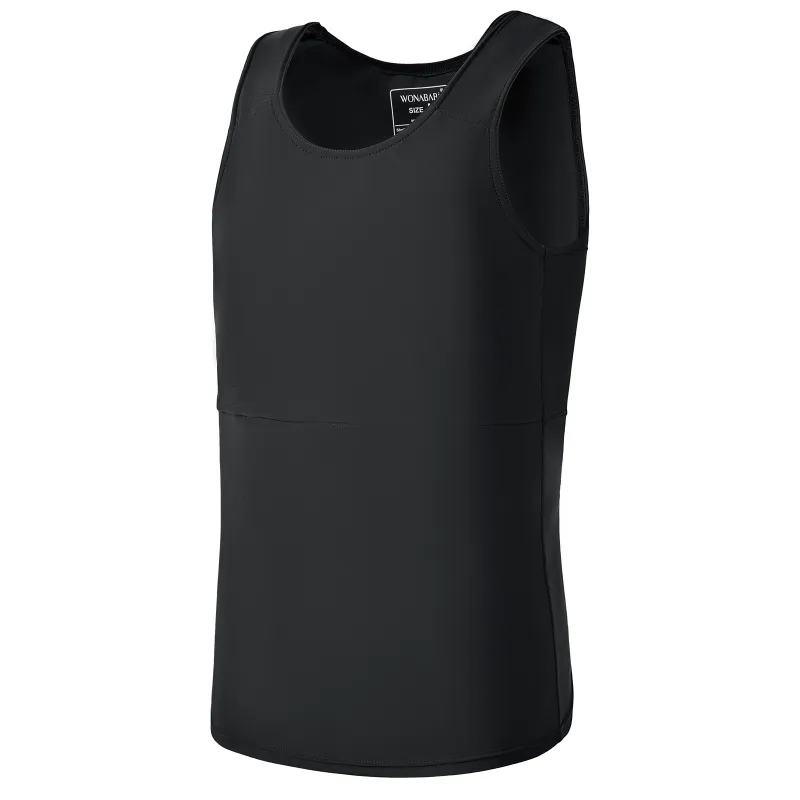
How to Wash Your Wonababi Binder Properly
Washing your wonababi binder correctly extends its lifespan by months and preserves the compression fabric that makes it effective. We recommend hand-washing in cool water with a gentle detergent after every two to three wears, or sooner if you sweat heavily. Machine washing is possible but requires extra care to prevent fabric breakdown.
The compression material in chest binders, including the Wonababi rosebabe and tank top binder, relies on elastic fibers that heat and agitation can damage. Once those fibers lose their structure, the binder loses its flattening ability and fit. Proper care keeps the fabric snug, breathable, and functional far longer than tossing it in with regular laundry.
Hand-Washing: The Best Method for Longevity
Hand-washing protects the delicate compression weave better than any machine cycle. Fill a basin or sink with cool or lukewarm water (never hot), add a capful of mild detergent, and submerge your binder completely. Gently knead the fabric for two to three minutes, paying attention to underarm areas where sweat and oils accumulate.
Steps for hand-washing:
- Use cool water (under 30°C / 86°F) to prevent elastic degradation
- Choose a gentle, fragrance-free detergent to avoid skin irritation
- Avoid wringing or twisting the fabric, which stretches out compression panels
- Rinse thoroughly under cool running water until no soap remains
- Press water out gently between your palms or against the basin edge
This method works for every style we carry, from the swim binder to the sports binder. Even swim-specific designs benefit from a freshwater rinse after chlorine or saltwater exposure, which can weaken elastic over time.
Machine Washing: When and How to Do It Safely
If hand-washing is not practical, machine washing your wonababi binder is safe when you follow a few rules. Always place your binder inside a mesh lingerie bag to prevent snagging and reduce friction against the drum. Select a delicate or hand-wash cycle with cold water only, and skip the spin cycle if your machine allows it.
Machine-wash checklist:
- Place binder in a mesh laundry bag (zippered garment bags work too)
- Use cold water and the gentlest cycle available
- Add mild detergent, skip fabric softener entirely
- Wash with similar colors to prevent dye transfer
- Remove immediately when the cycle finishes
Fabric softener coats compression fibers and reduces their effectiveness, so we never recommend it for binders. The same goes for bleach, which breaks down elastic and can cause skin reactions. If you need to brighten a white binder, a gentle oxygen-based cleaner works better than chlorine bleach.
Many wonababi binder reviews on Reddit mention that machine washing shortens binder life compared to hand-washing, but the difference is manageable if you use a mesh bag and cold water consistently.
Drying Your Binder Without Damaging the Fabric
Heat is the biggest enemy of compression garments. Never put your binder in a dryer, even on low heat, because the high temperature breaks down elastic fibers and can shrink or warp the fabric panels. Instead, lay your binder flat on a clean towel or hang it to air-dry away from direct sunlight and heat sources.
Best drying practices:
- Lay flat on a towel and gently press out excess water
- Hang on a padded hanger or drying rack in a well-ventilated area
- Avoid direct sunlight, which fades colors and weakens elastic over time
- Keep away from radiators, heaters, and sunny windowsills
- Allow 12 to 24 hours for complete air-drying
For the swimming chest binder or swim binders, rinse immediately after pool or ocean use and hang to dry. Chlorine and salt accelerate fabric wear, so a quick rinse extends the life of swim-specific designs significantly.
How Often Should You Wash Your Wonababi Binder?
Wash frequency depends on your activity level and how long you wear your binder each day. If you wear it for eight hours in an office setting, washing every two to three wears is sufficient. If you sweat heavily, exercise, or wear it in hot weather, wash after every use to prevent bacteria buildup and odor.
Rotating between two binders lets each one fully dry and rest between wears, which preserves elasticity. WonaBabi Essentials - Premium Quality & Affordable Binders offers multiple styles so you can maintain a rotation without sacrificing comfort or fit. Check our current discount code to save 5% when you pick up a second binder.
Storage and Long-Term Maintenance Tips
How you store your binder between wears affects its shape and compression. Fold it loosely or hang it on a padded hanger rather than crumpling it into a drawer, which creates permanent creases and stretches the fabric unevenly. Keep binders away from sharp objects, pets, and rough surfaces that can snag the material.
Storage and care tips:
- Store flat or on a padded hanger in a cool, dry place
- Keep away from sharp jewelry, belt buckles, and rough Velcro
- Inspect regularly for loose stitching or thinning fabric
- Rotate between multiple binders to reduce daily wear on a single piece
- Replace when compression noticeably weakens or fabric thins
Are wonababi binders safe for long-term use? Yes, when you maintain them properly and follow recommended wear times (eight hours maximum per day). A well-maintained binder remains effective and comfortable for six months to a year of regular use, depending on how often you wear and wash it.
Special Care for Swim and Sports Binders
Swim-specific designs like the swimming binder require extra attention because chlorine and saltwater are harsher than sweat alone. Rinse your swim binder in cool freshwater immediately after every swim, then hand-wash with mild detergent when you get home. This two-step process removes chemical residue and prevents fabric degradation.
For the sports binder, which handles heavy sweat during workouts, wash after every use. Sports binders accumulate moisture and bacteria faster than everyday styles, and skipping washes leads to odor and skin irritation. Air-drying fully between workouts is essential to prevent mildew in damp fabric.
If you also use accessories like breast binding tape or tape chest products, store them separately from fabric binders to avoid adhesive transfer. Tape is single-use and does not require washing, but keeping it in a cool, dry place preserves the adhesive until you need it.
When to Replace Your Binder
Even with perfect care, every binder eventually loses its compression and needs replacement. Signs include visible thinning in high-stress areas, loose elastic that no longer hugs your body, seams pulling apart, or fabric that no longer flattens effectively. When you notice these issues, it is time to grab a replacement rather than continuing to wear a binder that no longer provides proper support.
The wonababi binder size chart helps you confirm your fit has not changed before ordering a new one. Bodies change over time, so re-measuring ensures your next binder fits as well as your first. Many users also explore different styles when replacing a worn binder—if you started with a tank top binder, you might try a racerback or half-length design next.
Proper washing and maintenance double the useful life of your binder, saving money and reducing waste. With consistent care, your wonababi binder remains a reliable part of your daily routine for many months.
Frequently asked questions
How often should I wash my wonababi binder?
Wash your binder every two to three wears for normal use, or after every wear if you sweat heavily or exercise in it. Rotating between two binders lets each one dry fully and extends their lifespan.
Can I put my chest binder in the dryer?
Never use a dryer for your binder. Heat breaks down elastic fibers and causes shrinking or warping. Always air-dry flat or hanging away from direct sunlight and heat sources.
Is machine washing safe for compression binders?
Yes, if you use a mesh laundry bag, cold water, and the delicate cycle. Hand-washing is gentler and extends binder life longer, but machine washing works when you follow these precautions.
How do I care for a swim binder after pool use?
Rinse your swim binder in cool freshwater immediately after swimming to remove chlorine or salt. Then hand-wash with mild detergent and air-dry flat to prevent chemical damage to the fabric.
When should I replace my binder?
Replace your binder when you notice visible fabric thinning, loss of compression, loose elastic, or pulling seams. With proper care, a binder typically lasts six months to a year of regular use.
Are wonababi binders safe for daily wear?
Yes, wonababi binders are safe when worn correctly for no more than eight hours per day and maintained with regular washing. Proper care keeps the fabric breathable and effective for long-term use.