
Tesla Model Y Roof Rack Buyer's Guide: Weight Limits and Compatibility

What You Need to Know About Weight Limits
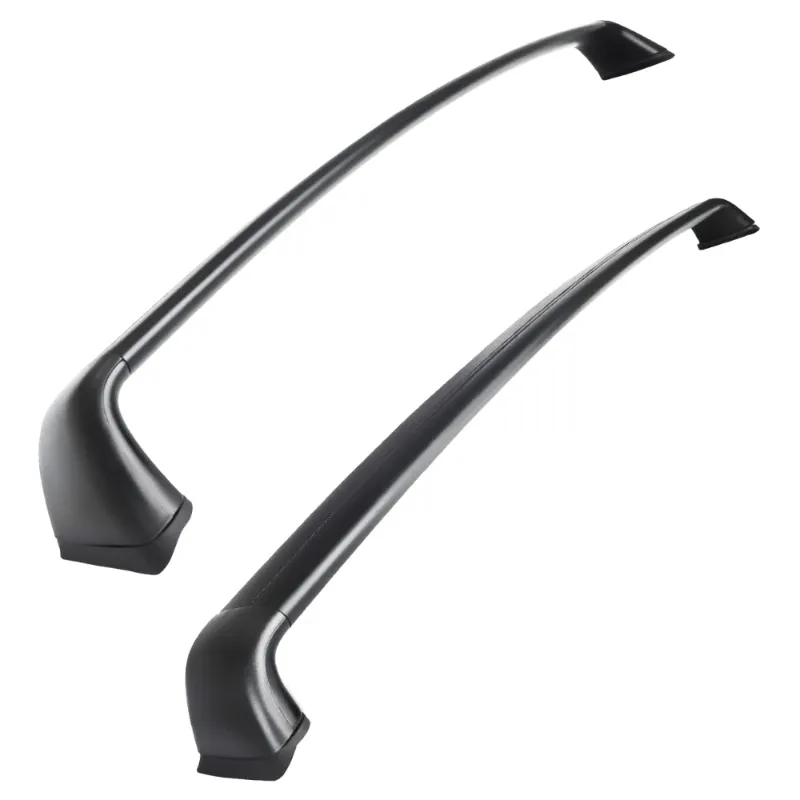
A tesla model y roof rack can carry up to 165 pounds when properly installed, but that figure includes the weight of the rack itself and any mounting accessories. Tesla specifies this maximum dynamic load for safe highway driving, so you'll want to subtract the rack's weight (typically 20 to 40 pounds) from that total to calculate your actual cargo capacity. Exceeding this limit affects handling, increases wind noise, and may void warranty coverage for roof damage.
The glass roof on all Model Y variants is engineered to support this load through reinforced mounting points integrated into the roof structure. Unlike older vehicles that required aftermarket clamps, the Model Y features factory-threaded inserts hidden beneath small panels on each roof rail. This design means you're working with a more secure mounting system, but it also requires precision during installation to avoid cross-threading or damaging the glass panel edges.
OEM vs Aftermarket Options
Tesla's factory roof rack system offers guaranteed fitment and integrates with the vehicle's aerodynamic profile, but aftermarket brands like Thule and Yakima provide more versatility for specialized cargo. The tesla model y roof rack oem option arrives in a kit with T-bolt mounting hardware that slots directly into those factory channels. It's quieter at highway speeds than most third-party alternatives because Tesla engineers it to minimize wind resistance.
Aftermarket racks often cost less and ship with cross-bar systems compatible with a wider range of accessories like bike mounts, kayak saddles, or cargo boxes. The tesla model y roof rack thule variants, for instance, use the brand's extensive ecosystem of attachments. However, you'll need to verify that the specific Thule model is designed for the Model Y's 58.1-inch rail spacing and curved roof contour. Many Model Y owners on Tesla Model Y Roof Racks forums recommend checking fitment guides before purchasing.
| Feature | OEM Tesla | Aftermarket (Thule/Yakima) |
|---|---|---|
| Weight capacity | 165 lbs total | 150-165 lbs depending on model |
| Noise level | Lower wind noise | Moderate to high depending on design |
| Accessory compatibility | Limited to Tesla attachments | Wide range of third-party mounts |
| Price range | Higher upfront cost | Variable, often more affordable |
Tesla Model Y Roof Rack Installation
Tesla model y roof rack installation requires only basic hand tools and about 30 minutes if you follow the sequence carefully. Start by locating the four plastic cover panels along the roof's edge, two on each side. These pop off with gentle prying using a trim tool or your fingers. Underneath, you'll find the threaded inserts.
Position the front rail first, aligning the T-bolts with the forward mounting points. Hand-tighten the bolts before moving to the rear rail to ensure even spacing. Once both rails sit flush against the roof, torque each bolt to the manufacturer's specification (typically 6 to 8 Nm for OEM racks). Over-tightening can crack the glass or strip the threads, while under-tightening allows the rack to shift during driving.
After securing the rails, attach your cross-bars by sliding them into the rail channels and locking them at your preferred spacing. Most racks include a torque key or Allen wrench for this step. We recommend testing the installation by gently pulling upward on each cross-bar to confirm there's no movement before loading cargo.
The tesla model y roof rack installation cost at a professional shop ranges from $75 to $150 for labor if you prefer not to DIY. Some Tesla service centers will install OEM racks as part of a vehicle delivery or service appointment, though availability varies by location. Grab the code for savings on accessories that complement your rack setup, like a car trash bin to keep the interior organized during road trips.
Choosing the Best Option for Your Needs
The best tesla model y roof rack depends on how frequently you haul cargo and what type of gear you carry. If you're an occasional user who needs to transport luggage or camping equipment a few times per year, the OEM rack's low-profile design minimizes the impact on range and noise. Tesla reports a 5 to 10 percent reduction in efficiency with an empty roof rack at highway speeds, so a removable system makes sense if you don't need permanent mounting.
Frequent outdoor enthusiasts who regularly carry bikes, skis, or kayaks benefit more from aftermarket systems with dedicated attachment points. Thule and Yakima both offer tool-free mounting systems for their sport-specific carriers, which speeds up loading and unloading. The reddit community discussions around the tesla model y roof rack reddit threads often highlight Yakima's HighRoad bike mount and Thule's Hull-a-Port kayak carrier as popular pairings.
For families planning long road trips, consider pairing your roof rack with interior comfort upgrades like tesla model 3 model y pillows for rear passengers. Maximizing roof storage frees up cabin and trunk space for essentials you'll need quick access to during the drive.
Maintenance and Long-Term Care
Roof racks require periodic inspection to maintain safe operation, especially after the first 100 miles of use when bolts may settle. Check torque on all mounting hardware and retighten if necessary. Remove the rack during winter months if you're not using it to prevent ice buildup in the rail channels and to recover lost range from aerodynamic drag.
Clean the mounting points and rails every few months using a soft cloth and mild soap solution. Road salt and debris can corrode the aluminum rails or clog the T-bolt channels, making future installations difficult. When the rack is off, inspect the rubber gaskets around each mounting point for cracking or compression damage that might allow water intrusion.
Store removed racks in a dry location, and apply a thin coat of silicone lubricant to moving parts like the cross-bar adjustment mechanisms. This prevents seizing and ensures smooth operation when you reinstall the system. If you notice any whistling or vibration while driving, stop and verify that all connections remain tight. Loose hardware can damage the glass roof or allow the rack to detach at speed.
Check the latest price on Tesla accessories to keep your Model Y equipped for any adventure. Pairing practical upgrades like a roof rack with quality charging solutions such as a tesla charger or j1772 adapter ensures you're ready for both daily commutes and weekend getaways. Proper planning around weight limits and installation best practices protects your investment and keeps your cargo secure on every trip.
Frequently asked questions
Can I install a roof rack on a Model Y with a glass roof?
Yes, all Model Y variants with glass roofs include factory-threaded mounting points designed to support up to 165 pounds. The glass is reinforced at these locations, so installation is safe when you follow torque specifications and use the correct hardware.
Does a roof rack reduce the Model Y's range significantly?
An empty roof rack typically reduces range by 5 to 10 percent at highway speeds due to increased aerodynamic drag. Loaded racks can decrease efficiency by 15 to 25 percent depending on cargo size and shape. Remove the rack when not in use to maximize range.
Are Thule and Yakima racks compatible with the Model Y?
Many Thule and Yakima roof rack systems are compatible with the Model Y, but you must verify the specific model fits the 58.1-inch rail spacing and curved roof profile. Check the manufacturer's fitment guide or Model Y owner forums before purchasing.
How often should I check the roof rack mounting bolts?
Inspect and retighten all mounting hardware after the first 100 miles of use, then check torque every 3,000 miles or before long trips. Bolts can settle or loosen over time, especially on rough roads, which creates safety risks if left unchecked.
What's the actual cargo weight I can carry after installing the rack?
Subtract your rack's weight (usually 20 to 40 pounds) from the 165-pound total dynamic load limit. A 30-pound rack leaves 135 pounds for cargo, including any mounting accessories like bike carriers or cargo boxes.
Can I use the OEM Tesla rack with third-party accessories?
The OEM Tesla roof rack uses a proprietary T-slot system that limits compatibility with some third-party accessories. Aftermarket racks from Thule or Yakima offer broader accessory ecosystems if you need specialized mounts for bikes, skis, or kayaks.