
Wood Filament Printing Guide: Tips for Using Wood PLA on Your QIDI Printer

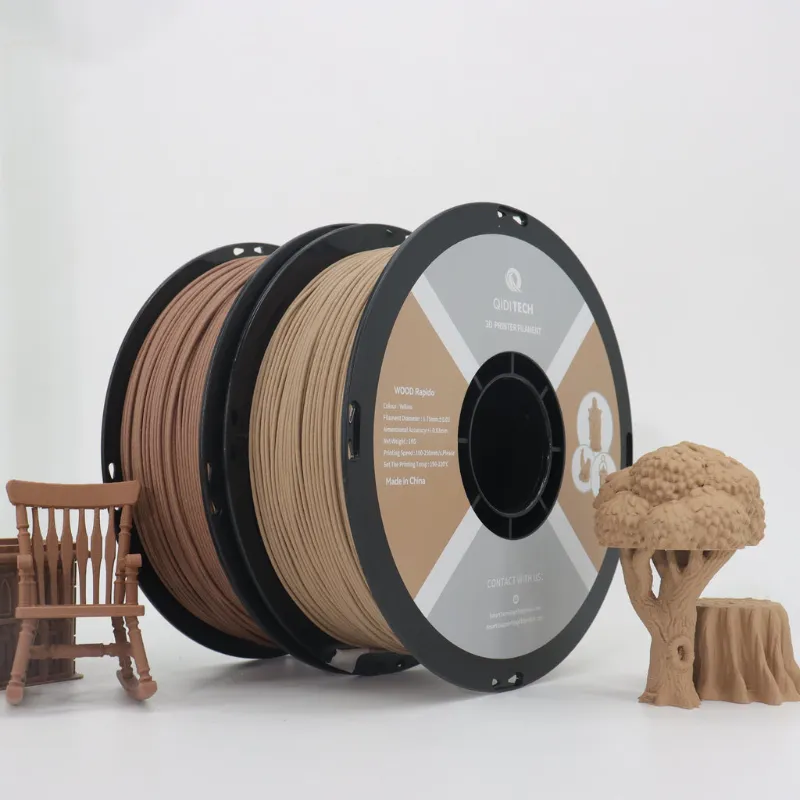
Wood filament brings natural texture and warmth to your prints, and we'll show you exactly how to use it on your QIDI Plus 4 or other FDM 3D printer. Whether you're new to wood-filled materials or refining your technique, the right settings and preparation make the difference between stunning results and failed prints.
What Is Wood Filament Made Of
Wood filament is not solid wood—it's a composite made from PLA or other plastic resins blended with real wood fibers or cellulose. The wood content typically ranges from 10 to 40 percent by weight, giving the material its distinctive natural appearance and slight wood-like scent. You can learn more about what is wood filament made of in Simplify3D's materials guide, which breaks down the chemistry and performance of wood-filled composites.
Because wood filament is wood PLA at its core, it behaves more like standard PLA than like true wood. It prints at similar temperatures, requires comparable cooling, and shares many handling quirks with regular PLA. However, the wood fibers add brittleness and can clog nozzles if moisture isn't managed, so preparation matters more than with plain filament.
Preparing Wood Filament for the QIDI Plus 4
Before you load wood filament into your qidi plus4, dry it thoroughly. Wood-filled materials absorb moisture from the air, and wet filament produces weak, porous prints with poor surface finish. A filament dryer box is the safest bet—most models hold filament at 45 to 60°C for 4 to 8 hours, which removes trapped moisture without degrading the material.
If you don't have a dryer yet, you can use your printer's built-in drying function if your QIDI model includes one, or preheat an oven to 50°C and place the filament (still in its sealed bag) inside for 30 to 60 minutes. Store dried filament in an airtight container with desiccant packets to keep it dry between prints.
Optimal Print Settings for Wood Filament PLA
Wood filament PLA prints best at nozzle temperatures between 200 and 220°C, slightly hotter than standard PLA. Start at 210°C and adjust in 5-degree increments if you see stringing or poor layer adhesion. Bed temperature should stay around 50 to 60°C—the same as plain PLA.
Slow your print speed down to 30 to 40 mm/s. Wood fibers make the material stiffer and more prone to jams, so faster speeds can clog the nozzle or cause extrusion inconsistencies. Use 100 percent infill for structural pieces, or 15 to 20 percent for decorative items to save material and reduce print time.
Enable a BL Touch leveling sensor if your printer supports it. Consistent nozzle height is critical with wood filament because uneven first layers often lead to adhesion failure or nozzle impacts that damage the print.
Avoiding Nozzle Clogs with Wood Filament
The wood fibers in wood filament can accumulate at the nozzle tip, narrowing the opening and starving the extruder of material. Prevention is easier than clearing a clog mid-print.
- Use a 0.5mm or wider nozzle instead of a 0.4mm standard nozzle. Larger openings reduce the risk of fiber jamming.
- Keep drying cycles consistent. Moisture is the biggest culprit behind clogs; wet filament is more prone to binding.
- Do a 30-second purge before each print. Extrude 10 to 20mm of filament into a waste container to clear any debris from the nozzle chamber.
- Clean your nozzle every 5 to 10 prints with a brass brush while the printhead is cool.
If a clog does occur, soak the nozzle in acetone for 30 minutes, then use a thin wire or acupuncture needle to gently clear the opening.
Best Projects for Wood Filament
Wood filament shines for decorative prints and items where natural aesthetics matter. Phone stands, picture frames, vases, and organizers look stunning with a wood finish and feel premium in hand. Stain or paint finished prints to deepen the wood look or match your décor.
Avoid using wood filament for mechanical parts, functional brackets, or load-bearing components. The wood fibers reduce strength compared to plain PLA, and the material is more brittle under stress. For those jobs, reach for pla-cf, petg-cf, or other reinforced filaments designed for durability.
Comparing Wood Filament to Other Composite Options
If you're weighing wood filament against other filled materials, here's how they stack up:
| Material | Best For | Print Temp | Brittleness | Ease of Use |
|---|---|---|---|---|
| Wood filament PLA | Decorative, textured finishes | 210–220°C | Moderate | Moderate |
| pla-cf (carbon fiber PLA) | Strength with light weight | 210–225°C | Low | Moderate |
| petg-cf (carbon fiber PETG) | Durable functional parts | 230–250°C | Low | Moderate |
| pa12-cf (nylon carbon fiber) | High-strength, flexible parts | 250–270°C | Very Low | Difficult |
Wood filament is the easiest of these to print but the least suitable for structural use. If you need strength and appearance, carbon-filled options like pla-cf are worth trying.
Where to Buy Wood Filament and Get Deals
You can find wood filament from multiple brands online. colorFabb's woodFill is a popular choice known for consistent quality and strong wood appearance. Amazon also carries several wood filament options under various brand names, though quality varies.
For your QIDI printer, grab the code to access current pricing and exclusive discounts on QIDI gear and accessories. A qidi box can help organize your filament collection alongside your printer, and a filament dryer box pairs perfectly with wood filament to keep it dry and ready to print.
Whether you're working with a qidi plus 4 or another fdm 3d printing machine, wood filament rewards careful prep and patience with beautiful, natural-looking results. Start with a small decorative print to dial in your settings, then scale up to larger projects once you feel confident with the material.
Frequently asked questions
What is wood filament made of?
Wood filament is a composite blend of PLA or other plastic resins mixed with real wood fibers or cellulose, typically 10 to 40 percent wood by weight. It's not solid wood, but the wood content gives it a natural aesthetic and texture.
Can I use wood filament on any FDM 3D printer?
Yes, wood filament works on most FDM printers including QIDI machines, but you'll get best results with a 0.5mm or larger nozzle and careful attention to drying and temperature settings. Finer nozzles can clog more easily with the wood fibers.
Why does my wood filament keep clogging?
Moisture is the main culprit. Wet wood filament is more prone to binding in the nozzle. Always dry your filament in a dryer box before printing, and store it in an airtight container with desiccant.
Is wood filament strong enough for functional parts?
No, wood filament is more brittle than plain PLA and not recommended for load-bearing or mechanical components. It's best for decorative items. Use carbon-filled options like pla-cf or petg-cf if you need strength.
What temperature should I print wood filament PLA at?
Print at 210 to 220°C nozzle temperature and 50 to 60°C bed temperature. Start at 210°C and adjust in 5-degree increments if needed.
How do I compare wood filament to wood filament petg or other materials?
Wood filament PLA is easier to print and looks great for decorative work, but materials like petg-cf offer better durability if you need functional strength. Choose based on whether your project is decorative or structural.