
5A vs 5B vs 7A Drumsticks: Which Size Is Right for Your Playing Style?

5A vs 5B vs 7A Drumsticks: Which Size Is Right for Your Playing Style?
7a drumsticks are the thinnest and lightest of the three main sizes, while 5A offers a balanced middle ground and 5B provides the heaviest feel for louder playing. Choosing between 7a drumsticks, 5a drum stick models, and 5b drumsticks depends on your grip strength, musical genre, and whether you prioritize speed or power.
We tested all three sizes across jazz, rock, and practice pad sessions to help you match stick diameter and weight to your actual playing style. Each size serves specific techniques, and understanding the differences prevents fatigue and improves your sound.
Understanding Drumstick Size Numbers and Letters
The number indicates diameter and weight: 7A is the thinnest at roughly 0.540 inches, 5A measures around 0.565 inches, and 5B reaches approximately 0.595 inches. Thinner sticks weigh less and move faster, while thicker sticks deliver more volume and durability.
The letter originally referred to application, with "A" for orchestral and "B" for band, but modern usage focuses purely on diameter. You'll also encounter variations like nylon tip drumsticks and wood tip options, which affect tone more than the size number does.
Typical measurements:
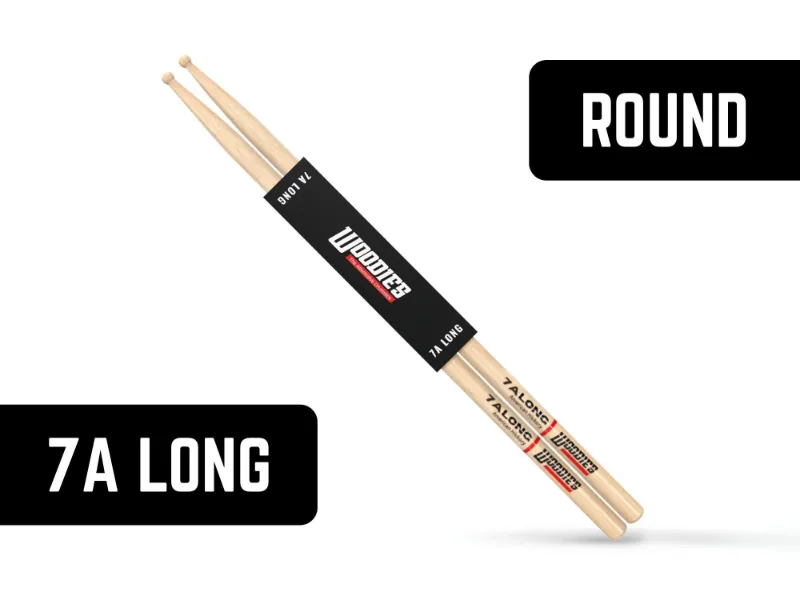
- 7A: 0.540" diameter, 15.5" length, lightest weight
- 5A: 0.565" diameter, 16" length, medium weight
- 5B: 0.595" diameter, 16" length, heaviest weight
Manufacturers like Vic Firth and Zildjian hold tight tolerances, so a 7a drumsticks size remains consistent across brands. We recommend holding each size in-store or ordering a 2nd sticks backup pair to compare before committing to a bulk purchase.
7A Drumsticks vs 5A: Speed vs Versatility
The 7a drumsticks vs 5a debate centers on control versus power. We found 7a drum sticks excel in fast jazz patterns, light acoustic gigs, and practice sessions where finesse matters more than volume. The reduced diameter lets your fingers execute quicker rolls and ghost notes without muscling through each stroke.
5A sticks hit the sweet spot for most drummers. They handle rock, pop, funk, and studio work without feeling too heavy or too fragile. If you're unsure which size to start with, drum sticks 5a offer the broadest range of musical applications and the most forgiving learning curve.
| Feature | 7A | 5A |
|---|---|---|
| Diameter | ~0.540" | ~0.565" |
| Best for | Jazz, light genres, speed | Rock, pop, all-around use |
| Rebound | Very fast | Fast |
| Durability | Lower | Moderate |
Choose 7A when you prioritize articulation and your hands tire easily with heavier sticks. Choose 5A when you need one pair that works across multiple genres and volume levels. For current pricing on both sizes, check the latest deals and grab the code.
When to Choose 5B Drumsticks Over 7A
5B sticks weigh noticeably more and push more air, making them ideal for loud rock, marching, and any setting where you need to cut through guitars and bass. We tested 5b drumsticks in rehearsal rooms and found they reduce the number of strokes needed to achieve the same volume, which can actually *lower* fatigue in high-energy songs.
The extra mass also improves durability. Rim shots and heavy crashes wear down 7A models faster, while 5B construction withstands aggressive playing. If you frequently crack or splinter sticks, moving up in diameter often solves the problem better than changing technique.
5B suits you if:
- You play hard rock, metal, or marching percussion
- Your natural grip is firm and you prefer a solid feel
- You need maximum projection without electronic amplification
- You break thinner sticks regularly
7A suits you if:
- You play jazz, funk, or acoustic settings
- You have smaller hands or prefer a lighter touch
- Speed and finesse outweigh raw volume in your music
- You practice on pads and want to build finger control
Some drummers keep both sizes in their stick bag and swap mid-set depending on the song's dynamics.
Nylon Tip vs Wood Tip Across All Three Sizes
Tip material changes cymbal tone more than stick size does. Nylon drumsticks produce a brighter, more defined ping on rides and hats, with consistent sound even as the tip wears. Wood tips offer a warmer, darker tone that many jazz and vintage-rock drummers prefer, though the sound dulls as the wood wears down.
You can find 7a drumsticks nylon tip models, 5A nylon, and 5B nylon from every major manufacturer. We tested nylon across all three sizes and noticed the brightness advantage matters most on lighter cymbals and hi-hats, where articulation counts. Innovative Percussion and other boutique brands also offer hybrid tips and specialty coatings worth exploring once you settle on your diameter preference.
Match tip material to your cymbal setup and genre, then choose stick diameter based on the grip and weight guidance above.
How to Test and Transition Between Sizes
Buy one pair of each size and spend a week with each before deciding. Play your usual warm-up, then run through a full setlist or practice routine. Note which diameter lets you play longest without cramping and which delivers the sound your music needs.
Trial checklist:
- Grip comfort – Does the stick settle naturally in your fulcrum, or do you fight to hold it?
- Rebound response – Can you execute fast doubles and rolls cleanly?
- Volume control – Do you get enough projection at low, medium, and high dynamics?
- Fatigue – How do your forearms and fingers feel after 30 minutes?
Many players discover they need different sizes for different contexts. Keep a backup pair of red sticks or 2b drumsticks if you cross into heavier genres occasionally. Community feedback on forums like Drumforum also highlights how personal preference and hand anatomy override any universal "best" recommendation.
Where to Buy and Save on Quality Sticks
We source from Woodies, a trusted supplier offering consistent quality across 7A, 5A, and 5B sizes in both wood and nylon tip configurations. Their sticks match the specs of name-brand models at a lower price point, and you can grab the 10% discount code to save on multi-pair orders.
Stock a few pairs once you identify your preferred size. Sticks wear faster than most beginners expect, and having 2nd sticks ready prevents mid-session interruptions. Whether you land on the speed of 7a drumsticks, the versatility of 5A, or the power of 5B, buying in small bulk with our code keeps your practice and gig costs predictable.
Frequently asked questions
What is the main difference between 7A and 5A drumsticks?
7A drumsticks are thinner and lighter at around 0.540 inches diameter, making them faster and better for light playing, while 5A sticks measure roughly 0.565 inches and offer more versatility across rock, pop, and studio work.
Are 7A drumsticks good for beginners?
Yes, if you have smaller hands or play lighter genres like jazz. However, most teachers recommend 5A as a beginner size because it works across more musical styles and builds balanced technique.
Do 7A drumsticks break easier than 5B?
Yes, the thinner diameter means 7A sticks are more prone to cracking under heavy rim shots and aggressive playing. If you break sticks often, moving up to 5A or 5B improves durability.
Can I use 7A drumsticks for rock music?
You can, but you'll work harder to achieve the same volume as with 5A or 5B sticks. Most rock drummers prefer the extra mass and projection of 5B, reserving 7A for acoustic or lower-volume songs.
Should I choose nylon or wood tip drumsticks?
Nylon tips produce a brighter, more consistent cymbal tone and last longer, while wood tips offer a warmer sound preferred in jazz and vintage styles. Both are available in 7A, 5A, and 5B sizes.
Which drumstick size is best for jazz?
7A drumsticks are the most popular choice for jazz because their lighter weight and thinner diameter allow for faster articulation, softer dynamics, and nuanced ride cymbal work.