
What Does a 128 Hz Tuning Fork Do? Uses for the Otto Tuning Fork in Sound Therapy

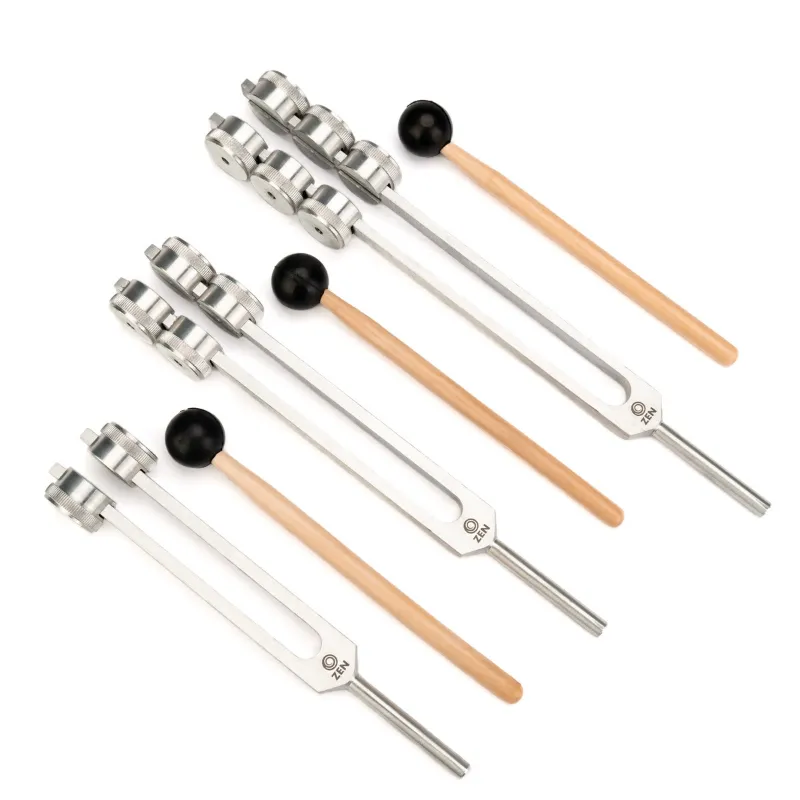
The otto 128 hz tuning fork is designed for body-based sound therapy, applying vibration directly to muscles, bones, and trigger points rather than working through audible sound alone. Practitioners place the activated fork on the body to deliver low-frequency resonance that supports grounding, nervous system regulation, and physical relaxation. We tested this tool alongside other sound therapy instruments like singing bowls and koshi chimes to understand where the Otto fork fits in your practice.
128 Hz Tuning Fork Benefits for the Body and Nervous System
The Otto fork vibrates at 128 Hz, which corresponds to the note C in scientific pitch. This frequency is low enough that you feel the vibration more than you hear it. When placed on bone, muscle, or fascia, the oscillation travels through tissue and may help release tension, calm the nervous system, and promote a sense of grounding.
Therapists use the Otto 128 hz tuning fork for:
- Muscle tension relief by placing the vibrating fork on tight areas, trigger points, or along muscle groups
- Bone conduction therapy by applying the stem to the spine, sternum, or joints to deliver resonance into skeletal structures
- Nervous system regulation through vagus nerve stimulation when placed on the collarbone or behind the ears
- Grounding and embodiment during meditation, breathwork, or trauma-informed bodywork sessions
Because the fork transmits vibration through physical contact, it complements auditory tools like a tibetan singing bowl or crystal harp, which work primarily through sound waves in the air.
128 Hz Tuning Fork How to Use: Step-by-Step Techniques
Using the Otto fork correctly ensures you deliver clean vibration without damaging the instrument or causing discomfort. We recommend starting with light pressure and observing how your body or your client responds.
Basic Activation and Placement
- Strike the fork gently against your palm, a rubber puck, or the heel of your hand. Avoid hard surfaces like metal or wood, which can damage the tines.
- Place the stem or base (not the tines) against the body. Common sites include the spine, shoulders, sternum, hips, knees, and the base of the skull.
- Hold steady for 10 to 30 seconds, allowing the vibration to travel into tissue. You should feel a gentle hum, not a harsh buzz.
- Re-strike as needed when the vibration fades, typically every 20 to 40 seconds depending on the fork's mass and construction.
Advanced Applications
- Acupressure points: Combine tuning fork therapy with traditional acupressure by placing the vibrating stem on meridian points.
- Spinal alignment work: Walk the fork slowly up the spine, pausing at each vertebra to deliver resonance along the central nervous system.
- Pairing with sound baths: Use the Otto fork for grounding at the start or end of a session that features koshi wind chimes or zaphir chimes for ambient sound.
For current pricing and to grab our discount code, visit the Sound Topia coupon page where you'll find 15% off all orders.
Otto 128 Hz Tuning Fork vs. Other Sound Therapy Tools
The Otto fork occupies a distinct niche in sound therapy because it works through tactile vibration rather than audible tone. Here's how it compares to other instruments we've tested.
| Tool | Primary Method | Best Use Case |
|---|---|---|
| Otto 128 Hz Tuning Fork | Body vibration, bone conduction | Targeted muscle and nervous system work |
| Tibetan Singing Bowl | Audible sound waves, ambient resonance | Meditation, group sound baths, chakra balancing |
| Koshi Chimes | Ethereal melodic tones | Creating calm atmosphere, transitions in therapy |
| Crystal Harp | Clear harmonic overtones | Deep listening, trance states, ceremonial work |
If you want to combine modalities, the Otto fork pairs well with an ocean drum for grounding rituals or a white drum for rhythmic entrainment. The fork provides the physical anchor while drums and bowls create the sonic environment.
Who Should Use an Otto 128 Hz Tuning Fork?
This tool suits practitioners and individuals who want direct, body-centered sound therapy. We see it most often in the hands of:
- Massage therapists integrating vibrational therapy into bodywork sessions
- Physical therapists and chiropractors using tuning forks for fascia release and joint mobilization
- Sound healers who blend tactile and auditory modalities in one-on-one or small-group settings
- Meditation guides and yoga teachers offering grounding techniques before or after practice
- Self-care practitioners exploring nervous system regulation and somatic tools at home
The Otto fork is less suited for large group sound baths where audible instruments like singing bowls or chimes dominate. It shines in intimate, body-focused work where you or a practitioner can apply the vibration with intention.
Choosing and Caring for Your 128 Hz Tuning Fork
Quality matters with tuning forks. A well-made Otto fork will hold its pitch for years, while a poorly manufactured one may drift out of tune or crack at the stem. Look for forks made from medical-grade aluminum alloy with precision-machined tines and a comfortable grip.
What to Check Before Buying
- Weight and balance: A heavier fork delivers stronger, longer-lasting vibration. Lighter forks are easier to maneuver but require more frequent re-striking.
- Stem design: Some Otto forks feature a weighted end or a rounded ball for easier placement on bone. Test which feels more natural in your hand.
- Finish: Anodized or polished finishes resist corrosion, especially if you use the fork on skin or in humid environments.
To check the latest price and apply our code, head to the Sound Topia discount page where current offers are updated regularly.
Maintenance Tips
- Store your fork in a padded case to prevent dings and preserve tuning accuracy.
- Clean the stem with a soft cloth and mild soap if it contacts skin or oils. Avoid submerging the fork in water.
- Never strike the tines against hard surfaces. Use your palm, a rubber activator, or the base of your hand.
- If the fork goes out of tune, professional re-tuning is possible but often costs as much as a replacement. Invest in quality upfront.
Integrating the Otto Fork Into Your Sound Therapy Practice
We recommend starting with short, exploratory sessions to learn how your body or your clients respond to 128 Hz vibration. Place the fork on different body sites, vary the pressure, and notice where the resonance feels most supportive.
Combine the Otto 128 hz tuning fork with complementary tools to build a full sensory experience. For example:
- Open a session with grounding fork work on the sacrum and feet
- Transition to ambient sound with koshi chimes or a crystal harp
- Close with the fork on the chest or upper back to anchor the nervous system
You can also pair the fork with other tactile elements like a merkaba crystal for energy work or an extra long zen heavy purple gong mallet #jh2xl if you're blending gong therapy into the session.
The 128 hz tuning fork benefits become most apparent with consistent use. Clients often report feeling more embodied, less anxious, and better able to sense subtle shifts in their nervous system after regular fork sessions. Whether you're a professional practitioner or exploring sound therapy at home, the Otto fork is a simple, durable tool that deepens your connection to vibrational healing.
Frequently asked questions
What is the otto 128 hz tuning fork used for?
The Otto fork is used for body-based vibrational therapy. Practitioners place the vibrating stem on muscles, bones, and acupressure points to release tension, calm the nervous system, and promote grounding.
How do you activate a 128 Hz tuning fork correctly?
Strike the fork gently against your palm or a rubber activator, never a hard surface. Place the stem (not the tines) on the body and hold steady for 10 to 30 seconds while the vibration travels into tissue.
Can I use a tuning fork on myself or does it require a practitioner?
You can absolutely use the Otto fork on yourself. Common self-application sites include the chest, collarbone, knees, and the base of the skull. Start with light pressure and explore what feels supportive.
Does the 128 Hz tuning fork work with singing bowls?
Yes, the Otto fork pairs well with singing bowls in sound therapy sessions. The fork provides tactile vibration for grounding while bowls deliver audible resonance, creating a multi-sensory experience.
How long does a quality 128 Hz tuning fork stay in tune?
A well-made Otto fork can hold its pitch for many years if you strike it properly and store it in a padded case. Avoid hard surfaces and impacts that can bend the tines or shift the frequency.
What's the difference between the Otto fork and higher-frequency tuning forks?
The Otto 128 Hz fork is felt more than heard and is designed for body contact. Higher-frequency forks produce clearer tones and are often used near the ears or energy field rather than directly on tissue.