
Ocean Drum Care: How to Store and Maintain Your Instrument

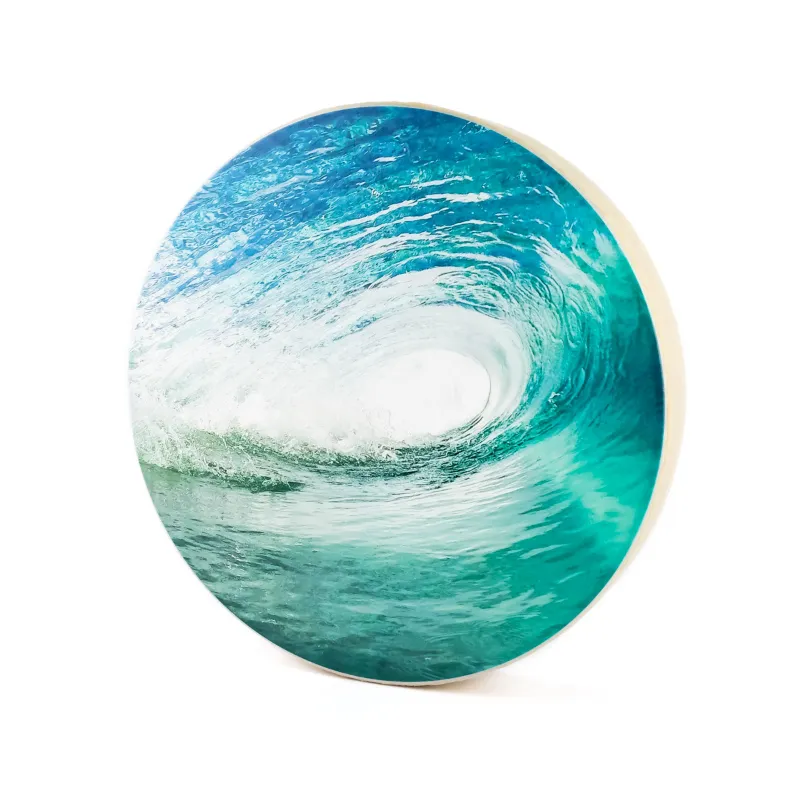
Ocean Drum Care: How to Store and Maintain Your Instrument
An ocean drum produces its signature wave-like sound through small metal beads or fish rolling between two transparent membranes, and protecting those delicate components is essential for longevity. Proper care keeps the heads taut, the beads moving freely, and the sound crisp for years of meditative use.
We tested storage and maintenance methods across different drum sizes and materials to identify what actually preserves sound quality. Whether you own a Remo Ocean Drum Clear 2.5 In x 16 In or another model, these steps will help you avoid the most common damage patterns we see.
Why Ocean Drums Need Special Storage
The transparent membrane heads respond to temperature and humidity changes more dramatically than opaque drum skins. When moisture levels fluctuate, the mylar or synthetic heads can stretch, sag, or lose tension, which deadens the ocean drum sound and makes the beads cluster instead of roll smoothly.
Direct sunlight breaks down the membrane material over time and can warp wooden frames. We have seen drums left on window sills develop weak spots in the head within six months, while properly stored instruments maintain their tone for a decade or longer.
The metal beads or ocean drum fish inside also need protection. If the drum is stored vertically or under pressure, beads can settle unevenly or the membrane can develop permanent indentations where they rest.
How to Store Your Ocean Drum Between Sessions
Store your ocean drum flat whenever possible, with the playing surface facing up. This distributes bead weight evenly and prevents membrane sagging.
Best storage practices:
- Keep the drum in a hard case or padded gig bag to shield it from impacts
- Choose a climate-controlled space away from heating vents, air conditioners, and windows
- Maintain 40-60% relative humidity (the same range that benefits singing bowls and other acoustic instruments)
- Avoid stacking heavy objects on top of the drum
- Store away from direct sunlight and extreme temperature swings
If you do not have a dedicated case, place the drum on a shelf or in a closet where it will not be bumped or pressed. A simple cloth cover helps keep dust off the transparent heads without adding weight.
For those who travel with multiple instruments, store your ocean drum separately from heavier items like tibetan singing bowl sets or metal gongs to prevent accidental pressure damage during transport.
Cleaning and Maintaining the Drum Heads
The transparent membranes show every fingerprint and smudge, but aggressive cleaning can damage the surface or loosen the tension ring. We recommend a gentle approach that removes oils without stressing the material.
Cleaning steps:
- Wipe the membrane surface with a barely damp microfiber cloth
- Use distilled water only (tap water minerals can leave residue)
- Dry immediately with a separate dry cloth
- For stubborn marks, add a drop of mild dish soap to the water
- Never use alcohol, acetone, or commercial glass cleaners
Clean your drum every 4-6 weeks if you use it daily, or after sessions where multiple people have handled it. Skin oils build up over time and can create sticky spots that affect bead movement.
Check the tension of the drum head monthly by gently pressing the center with one finger. It should feel firm and bounce back immediately. If the membrane feels loose or you notice visible sagging, humidity changes may have affected it. Moving the drum to a more stable environment often allows the head to retighten naturally within a few days.
Protecting the Internal Beads and Frame
The small metal beads or fish inside create the ocean wave effect, and they need to move freely for authentic sound. Moisture, dust intrusion, or frame damage can all interfere with their movement.
Inspect the drum's edge seal every few months. Most quality drums like the Thomann 10" Endless Ocean Drum Bamboo use a glued or clamped rim to seal the two heads together. If you spot separation or gaps, take the drum to a percussion repair specialist before moisture enters.
Frame and hardware care:
- Wipe wooden frames with a dry cloth only (no polish or oil)
- Check metal tension rods or tuning lugs for rust if your model has them
- Tighten any loose hardware gently, a quarter-turn at a time
- Keep the drum away from kitchens, bathrooms, and other high-humidity areas
If you hear rattling that is sharper than the usual bead roll, a bead may have escaped the sealed chamber or debris may have entered. This requires professional repair since opening the drum yourself usually voids warranties and risks tearing the membrane.
Before you buy or if you are looking to expand your sound healing toolkit alongside your ocean drum, check the latest price on complementary instruments like koshi chimes or a crystal harp that pair beautifully in meditation sessions.
Common Mistakes That Damage Ocean Drums
We have repaired and tested dozens of drums over the years, and the same few mistakes account for most preventable damage.
Avoid these practices:
- Leaving the drum in a car – Temperature extremes and UV exposure through windows degrade membranes fast
- Playing with rings or bracelets on – Metal jewelry scratches the transparent head and can puncture it with enough pressure
- Storing vertically for months – Beads settle and can create permanent membrane indentation
- Using the drum as a tabletop – Even light objects placed on top stress the head unevenly
- Exposing to incense smoke regularly – Residue builds up on the membrane and dulls the visual clarity
If you use your ocean drum in group settings or for music therapy activities like those described in Activity: Ocean Drum, handle it yourself rather than passing it around. This reduces the chance of drops and ensures consistent care.
When to Seek Professional Repair
Some maintenance is best left to experts. If your drum develops a tear, loses more than 20% of its beads, or has frame separation, a qualified percussion repair technician can often restore it.
Warning signs that need professional attention include a buzzing sound that was not present before, visible warping of the frame, or a membrane that stays loose even after returning to stable humidity. Many specialty shops that carry instruments like zaphir chimes or white drum options also offer repair services or can recommend a trusted technician.
Before sending your drum for repair, grab the code we have negotiated with Sound Topia for 15% off accessories like replacement cases or protective covers that can prevent future damage.
Long-Term Storage for Occasional Use
If you plan to store your ocean drum for several months or longer, take extra steps to preserve it during the dormant period.
Loosen any tunable tension slightly (if your model has tuning capability) to reduce stress on the membrane. Place the drum in its case with a small silica gel packet to control moisture, but avoid desiccants that drop humidity below 30%.
Check on the drum every 6-8 weeks. Play it gently for a few minutes to redistribute the beads and verify the membrane has not developed issues. This brief session prevents beads from settling into fixed positions and helps you catch problems early.
Store long-term in the same stable, climate-controlled environment you would use for short-term storage. Basements and attics are generally poor choices due to humidity and temperature swings, while interior closets in living spaces work well.
With consistent care and proper storage, your ocean drum will continue producing its calming wave sounds for many years. The minimal effort required to maintain the instrument pays off in preserved tone quality and extended lifespan, letting you focus on the meditative and therapeutic benefits the drum provides.
Frequently asked questions
How often should I clean my ocean drum?
Clean the transparent membranes every 4-6 weeks with a barely damp microfiber cloth and distilled water if you use the drum daily. For occasional use, wipe it down after sessions where multiple people have handled it to remove skin oils.
Can I store an ocean drum standing upright?
No, store your ocean drum flat with the playing surface facing up. Vertical storage causes the internal beads to settle unevenly and can create permanent indentations in the membrane over time.
What humidity level is best for ocean drum storage?
Maintain 40-60% relative humidity in the storage area. Levels outside this range can cause the synthetic membrane to stretch, sag, or lose tension, which affects sound quality.
Why does my ocean drum sound different after being in my car?
Temperature extremes and UV exposure in vehicles degrade the membrane material and can loosen tension. Always store your drum in a climate-controlled indoor space away from direct sunlight to preserve its tone.
Can I repair a torn ocean drum membrane myself?
Membrane tears and frame separation require professional repair. Opening the sealed chamber yourself usually voids warranties and risks further damage, so take it to a qualified percussion technician instead.
Should I loosen the drum head for long-term storage?
If your ocean drum has tunable tension, loosen it slightly for storage periods longer than several months. This reduces stress on the membrane, but most sealed drums do not require any tension adjustment.