
Best Mallet for Playing a Tibetan Singing Bowl Without Damaging the Rim

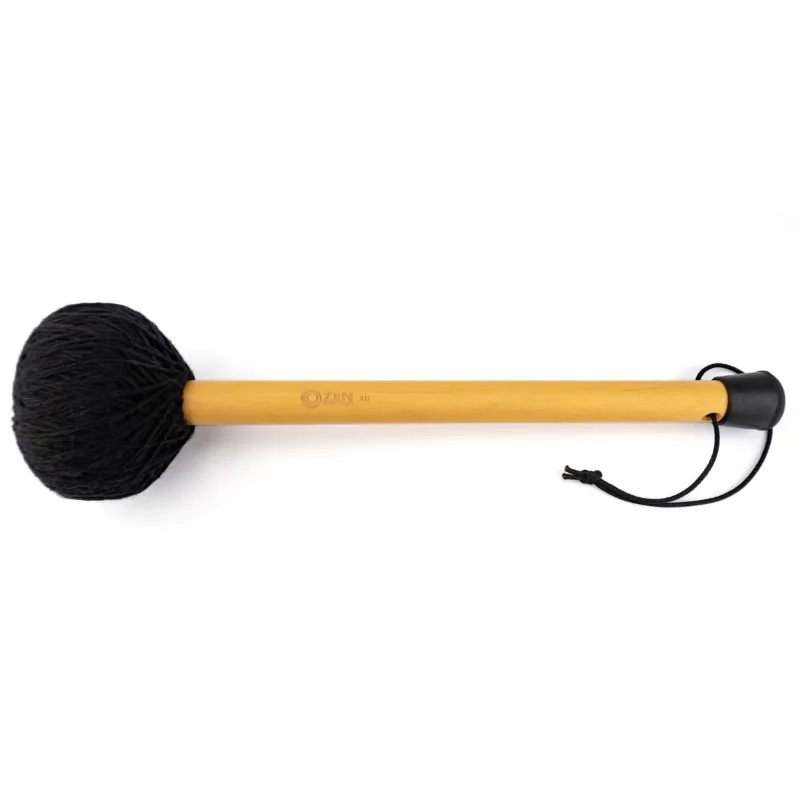
Best Mallet for Playing a Tibetan Singing Bowl Without Damaging the Rim
The best mallet for a tibetan singing bowl is a felt-wrapped striker in the correct size and weight for your bowl's diameter and metal thickness. A properly matched mallet produces rich, sustained tones while protecting the rim from scratches, dents, and metal fatigue that harder materials or oversized strikers can cause.
We tested strikers across dozens of singing bowls to identify which mallet materials, sizes, and techniques deliver the clearest sound without compromising the bowl's integrity. Whether you're exploring tibetan singing bowls meditation chakra healing or simply want to avoid the dangers of singing bowls played incorrectly, the striker you choose matters as much as the bowl itself.
Why Mallet Material Protects Your Bowl Rim
The rim of a singing bowl is where metal meets mallet thousands of times during play. Harder strikers create more impact force, which can gradually flatten the rim's curve, chip hand-hammered surfaces, or create micro-fractures in antique alloys.
Felt mallets offer the safest option for most bowls. The dense wool cushions each strike and distributes force across a wider contact area. We recommend felt for:
- Daily meditation practice
- Antique or handmade singing bowls with patina
- Bowls under 6 inches in diameter
- Any bowl with visible wear or existing rim damage
Leather-wrapped mallets produce brighter overtones and work well for thicker, machine-made bowls. Suede or soft leather won't scratch, but the slightly firmer surface requires a lighter touch. These suit intermediate players who want more tonal control.
Wood and rubber strikers generate the loudest volume but carry the highest risk. We only use them on heavy gong-style bowls designed for impact, like those played with an extra long zen heavy purple gong mallet #jh2xl. For standard meditation bowls, wood is too aggressive.
Matching Mallet Size to Bowl Diameter
An oversized mallet forces you to press harder to maintain rim contact, increasing wear. An undersized striker produces thin, weak tones that tempt players to strike harder, which again damages the rim.
| Bowl Diameter | Mallet Head Size | Weight Range |
|---|---|---|
| 3-5 inches | 1-1.5 inches | 1-2 oz |
| 6-8 inches | 1.5-2 inches | 2-4 oz |
| 9-12 inches | 2-3 inches | 4-6 oz |
Most tibetan singing bowl set packages include a basic wooden striker that's often too light or too hard. Upgrading to a purpose-made felt mallet immediately improves both sound quality and rim longevity. Check the latest pricing on matched mallet sets that include multiple head sizes.
Tibetan Singing Bowl How to Use: Technique Matters More Than Tools
Even the gentlest mallet causes damage when used with poor technique. We see three common mistakes that accelerate rim wear:
Striking instead of rubbing. Tapping the bowl produces a quick chime but concentrates force on a single point. Continuous circular rubbing distributes contact evenly and sustains the tone. The bowl "sings" because friction builds resonance, not because you hit it harder.
Pressing too firmly. Excess downward pressure deforms the rim over time and muffles overtones. The mallet should glide with just enough contact to maintain friction. If you're straining to keep the sound going, your mallet is too small or too light for that bowl.
Inconsistent speed. Jerky, uneven motion creates stick-slip friction that causes the mallet to skip and bounce, leaving micro-impacts along the rim. A steady, moderate pace (about one revolution per 3-4 seconds) produces the smoothest tone and least wear.
Tibetan singing bowl benefits only emerge when the bowl resonates fully, which requires patient, gentle technique. Forcing the sound defeats the meditative purpose and shortens the bowl's lifespan.
Best Tibetan Singing Bowl Striker Options We Tested
After evaluating strikers across different price points and materials, these categories performed best for rim protection and tonal clarity:
Entry-level felt mallets (under $15). Dense wool felt wrapped around a wooden core. These work for bowls up to 7 inches and handle daily use without shedding. Ideal for beginners who need a forgiving mallet while they develop consistent technique.
Mid-range suede strikers ($15-30). Layered leather over a weighted core, often with a flannel or microfiber inner wrap. The added weight helps maintain momentum during slow rubbing, reducing the need to press down. We prefer these for 8-10 inch bowls with medium-thick walls.
Specialty multi-head sets ($30-50). Include 2-3 interchangeable heads (felt, leather, rubber) on a single handle. These let you match the striker to the bowl and desired tone without buying multiple complete mallets. The best value for players who own several bowls of different sizes.
The 7.75/2 is a versatile mid-sized option that bridges the gap between small meditation bowls and larger ceremonial styles. Pair it with a 1.5-2 inch felt head for all-around protection.
Protecting Your Bowl Beyond the Mallet
The dangers of singing bowls extend beyond striker choice. Rim damage also comes from storage, cleaning, and handling. We recommend:
- Cushioned storage. Use a padded case or ring stand to prevent rim-to-surface contact. Stacking bowls without separators lets rims grind against each other.
- Gentle cleaning. Wipe with a soft, dry cloth after each session. Abrasive cleaners or rough towels scratch the playing surface and change the tone.
- Stable playing surface. Set the bowl on a rubber ring or folded cloth, never directly on hard surfaces. Vibration can walk the bowl across a table, causing it to tip or fall.
If you're building a broader sound meditation practice, consider pairing your singing bowl with complementary instruments like koshi chimes or a crystal harp. These require no mallet and add harmonic variety without the wear concerns of struck metal.
Where to Find Quality Mallets and Singing Bowls
Most mainstream retailers bundle low-quality wooden strikers with their bowls because they're cheap to manufacture. Specialty makers that focus on Tibetan music bowls typically offer felt and suede options designed for the bowl's specific size and alloy.
We source our recommendations through Sound Topia, which curates mallets matched to bowl diameter and playing style. Grab the code for 15% off all orders, including mallet upgrades and replacement strikers.
When shopping for a best tibetan singing bowl or replacement mallet, prioritize sellers who specify mallet head material, size, and weight. Generic "singing bowl striker" listings usually default to the cheapest hardwood option, which works for gongs but harms finer meditation bowls.
A high-quality felt mallet costs $12-25 and lasts years with proper care. That's a small investment to protect a bowl that can serve you for decades when played correctly.
Frequently asked questions
What type of mallet is safest for a tibetan singing bowl?
A felt-wrapped mallet is safest because the dense wool cushions each strike and distributes force evenly across the rim. Felt prevents scratches, dents, and metal fatigue that harder materials like wood or rubber can cause over time.
Can I use a wooden striker on my meditation singing bowl?
Wood strikers are too hard for most meditation bowls and can damage the rim with repeated use. Reserve wooden mallets for heavy gong-style bowls designed for impact. For standard singing bowls, choose felt or soft leather instead.
How do I know if my mallet is the right size for my bowl?
Match the mallet head to your bowl diameter: 1-1.5 inches for 3-5 inch bowls, 1.5-2 inches for 6-8 inch bowls, and 2-3 inches for 9-12 inch bowls. An oversized mallet forces you to press too hard, while an undersized one produces weak tones.
Why does my singing bowl sound scratchy when I play it?
A scratchy sound usually means your mallet is too hard, you're pressing too firmly, or your rubbing speed is inconsistent. Switch to a softer felt mallet and use lighter, steady circular motion to let friction build resonance naturally.
How often should I replace my singing bowl mallet?
Replace your mallet when the felt becomes compressed, develops flat spots, or starts shedding fibers. With proper care, a quality felt mallet lasts 2-4 years of regular use. Avoid getting it wet, which breaks down the wool and adhesive.
Do tibetan singing bowl sets include the right mallet?
Most sets include a basic wooden striker that's often too hard or too light for the bowl. Upgrading to a purpose-made felt mallet matched to your bowl's size immediately improves sound quality and protects the rim from damage.