
How to Choose the Right Tibetan Singing Bowl for Meditation and Sound Healing

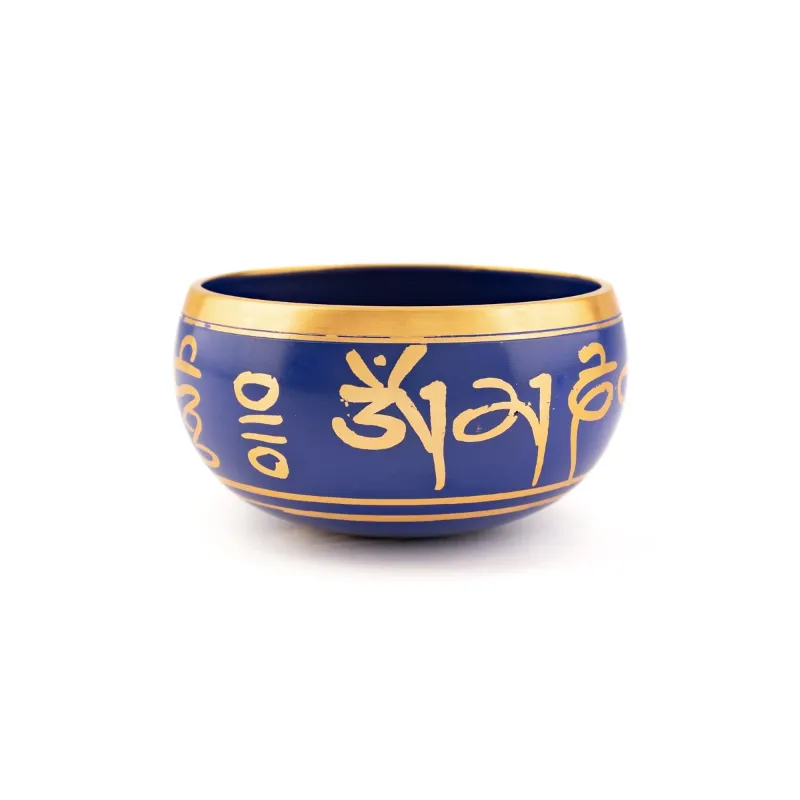
How to Choose the Right Tibetan Singing Bowl for Meditation and Sound Healing
A tibetan singing bowl produces rich, harmonic overtones that support meditation, stress relief, and sound healing when you select the right size, material, and tone for your practice. We tested dozens of singing bowls to help you find one that fits your space, experience level, and healing intentions—whether you need deep bass notes for grounding or higher frequencies for chakra work.
Choosing the wrong bowl wastes money and leaves you with a tool that does not resonate with your body or practice. This guide walks you through bowl materials, sizing, tone testing, and practical use so you invest in a tibetan singing bowl that becomes a cornerstone of your sound healing routine.
Understanding Tibetan Singing Bowl Materials and Construction
Traditional bowls fall into two categories: hand-hammered and machine-made. Hand-hammered bowls contain seven or more metals (copper, tin, zinc, iron, silver, gold, and sometimes nickel) and produce complex, layered overtones that evolve as the bowl rings. Machine-made bowls typically use brass or bronze alloys and deliver cleaner, single-note tones.
Hand-hammered bowls cost more but offer richer harmonic content—ideal for experienced practitioners who want depth and texture. Machine-made bowls work well for beginners who need consistent, predictable tones without the learning curve of managing complex overtones.
Crystal bowls (frosted or clear quartz) produce pure, sustained tones and pair well with other sound tools like a crystal harp or koshi chimes. Crystal lacks the warmth of metal but projects farther in large spaces.
Wall thickness matters: thicker walls (3–5 mm) generate deeper bass and longer sustain, while thinner walls (1–2 mm) respond faster and suit rhythmic playing. Check the rim for smoothness—burrs or nicks kill sustain and create harsh overtones.
Sizing Your Bowl for Space and Intention
Bowl diameter controls pitch and volume. Small bowls (3–5 inches) fit in your palm, produce higher frequencies (often linked to upper chakras), and travel easily. Medium bowls (6–9 inches) balance portability with resonance and suit most meditation practices. Large bowls (10+ inches) deliver deep, grounding bass but require dedicated space and a stable surface.
| Bowl Size | Diameter | Typical Use | Chakra Focus |
|---|---|---|---|
| Small | 3–5 inches | Travel, personal meditation | Crown, third eye |
| Medium | 6–9 inches | Home practice, group sessions | Heart, throat |
| Large | 10+ inches | Studio, sound baths | Root, sacral |
We recommend starting with a 7- or 8-inch bowl—it offers enough resonance for meditation without overwhelming small rooms. Check the latest price to compare options within your budget.
Weight correlates with sustain: a heavier bowl rings longer but requires more effort to strike cleanly. If you plan to hold the bowl in one hand while playing, test whether you can support it comfortably for 10–15 minutes.
Testing Tone and Harmonic Quality
Strike the bowl with a mallet (try an extra long zen heavy purple gong mallet #jh2xl for deeper tones) and listen for a clear fundamental note followed by layered overtones. High-quality bowls produce three or more distinct overtones that blend without clashing.
Rim the bowl by circling the mallet around the outer edge—apply steady, even pressure. The bowl should "sing" smoothly without stuttering or squeaking. If the tone drops out or becomes harsh, the rim may be damaged or the mallet is too soft.
Avoid bowls with these flaws:
- Warbling or unstable pitch (indicates uneven thickness or cracks)
- Metallic clang without sustain (poor alloy quality)
- Silent spots where rimming produces no tone (manufacturing defects)
Play the bowl at different volumes. Some bowls sound beautiful when struck softly but turn harsh when played loudly—test across your typical dynamic range before buying.
Research shows that singing bowl meditation can reduce stress and improve mood, but only if the tone feels supportive rather than irritating to your nervous system.
Matching Bowls to Meditation and Healing Practices
For deep meditation, choose a bowl with long sustain (15+ seconds) and a fundamental tone below 300 Hz. Lower frequencies encourage parasympathetic nervous system activation and work well for body scans or breath-focused practices.
For chakra work, practitioners often select bowls tuned to specific notes (C for root, D for sacral, E for solar plexus, etc.), though traditional Tibetan bowls are rarely tuned to Western scales. Test whether a bowl's natural pitch resonates with your target chakra by placing the bowl on or near that body region during a session.
For sound baths, use multiple bowls in complementary pitches or pair your tibetan singing bowl with other instruments like zaphir chimes or an ocean drum to create textured soundscapes. Larger groups benefit from 10-inch or larger bowls that project across the room.
For daily stress relief, a single medium bowl and a padded mallet handle most home practices. Learn more about using singing bowls to build a consistent routine that fits your schedule.
Understanding Tibetan Singing Bowl Sets and Accessories
A tibetan singing bowl set typically includes the bowl, a wooden or suede-wrapped mallet, and a cushion or ring stand. Sets save money compared to buying pieces separately and ensure the mallet weight matches the bowl size.
Cushions prevent the bowl from sliding and dampen unwanted vibrations from the surface beneath. Ring stands elevate the bowl, improving resonance and making it easier to rim without tilting. Silicone rings work for small bowls; fabric-wrapped rings suit medium to large sizes.
Mallet choice affects tone dramatically:
- Wooden mallets (bare or leather-wrapped) produce bright, articulate strikes
- Felt or suede mallets generate softer, warmer tones with less attack
- Oversized mallets like the extra long zen heavy purple gong mallet #jh2xl reach deep into large bowls and create sustained bass
Many practitioners keep two mallets per bowl—one for striking, one for rimming—to avoid switching mid-session.
Grab the code for 15% off all orders if you are building a complete sound healing toolkit.
Avoiding Common Dangers and Mistakes
While tibetan singing bowls are generally safe, the dangers of singing bowls include:
- Hearing damage from prolonged exposure to high-volume tones in enclosed spaces (keep sessions under 30 minutes and use moderate striking force)
- Triggering migraines or sensory overload in individuals sensitive to high-frequency sounds
- Contraindications for people with pacemakers, metal implants near the bowl placement area, or epilepsy (consult a healthcare provider first)
- Pregnancy cautions: avoid placing bowls directly on the abdomen during the first trimester
Do not play singing bowls directly on the body unless you have training in vibrational therapy—uncontrolled vibrations can cause discomfort or bruising.
Maintenance mistakes to avoid: never use soap or abrasives on the bowl interior (they deaden the tone), do not stack bowls without padding (scratches and dents kill resonance), and store bowls away from extreme temperature swings that can stress the metal.
Where to Buy and What to Expect
The best tibetan singing bowl for you depends on your experience, budget, and practice style. We recommend buying from specialized retailers rather than general marketplaces like tibetan singing bowl amazon listings, which often lack quality control and ship bowls with manufacturing flaws.
Test before you buy whenever possible. If ordering online, confirm the seller offers sound samples (video or audio recordings) and a return policy for bowls that do not meet expectations. Expect to pay $30–$80 for a quality machine-made bowl, $80–$200 for hand-hammered medium bowls, and $200+ for large, antique, or master-crafted pieces.
Start with one bowl and learn to control its full tonal range before expanding your collection. Pair it with complementary tools like koshi wind chimes or a white drum once you have established a consistent practice.
Tibetan singing bowls meditation chakra healing takes time to master—give yourself weeks to discover the bowl's voice and how your body responds to different playing techniques. The right bowl becomes an extension of your practice, and its tone will deepen as you develop skill and sensitivity.
Frequently asked questions
How do I know if a tibetan singing bowl is good quality?
Strike the bowl and listen for a clear fundamental note with at least two or three layered overtones that sustain for 10 seconds or longer. High-quality bowls produce smooth, evolving tones without warbling, metallic clangs, or silent spots when you rim the edge.
What size singing bowl should a beginner buy?
Start with a 7- or 8-inch bowl that balances resonance and portability. This size produces enough sustain for meditation without overwhelming small rooms and is light enough to hold comfortably during practice.
Can singing bowls be dangerous for certain people?
Yes. People with pacemakers, metal implants, epilepsy, or migraine sensitivity should consult a healthcare provider before using singing bowls. Pregnant individuals should avoid placing bowls on the abdomen, and everyone should limit session volume and duration to prevent hearing fatigue.
Do I need a singing bowl set or just the bowl?
A set that includes a matched mallet and cushion ensures the accessories work well with your bowl size and saves money. You can buy pieces separately if you already own mallets or prefer to customize each component.
How do I use a tibetan singing bowl for meditation?
Strike the bowl gently with a mallet to create a sustained tone, then focus on the sound as it fades. You can also rim the bowl by circling the mallet around the outer edge to produce a continuous singing tone. Use the sound as an anchor for breath awareness or body scanning.
What is the difference between hand-hammered and machine-made singing bowls?
Hand-hammered bowls contain multiple metals and produce complex, layered overtones that evolve as the bowl rings. Machine-made bowls use brass or bronze alloys and deliver cleaner, single-note tones with less harmonic richness but more consistency.