
Koshi vs Zaphir Chimes: Which Wind Chime Has the Best Sound Quality?

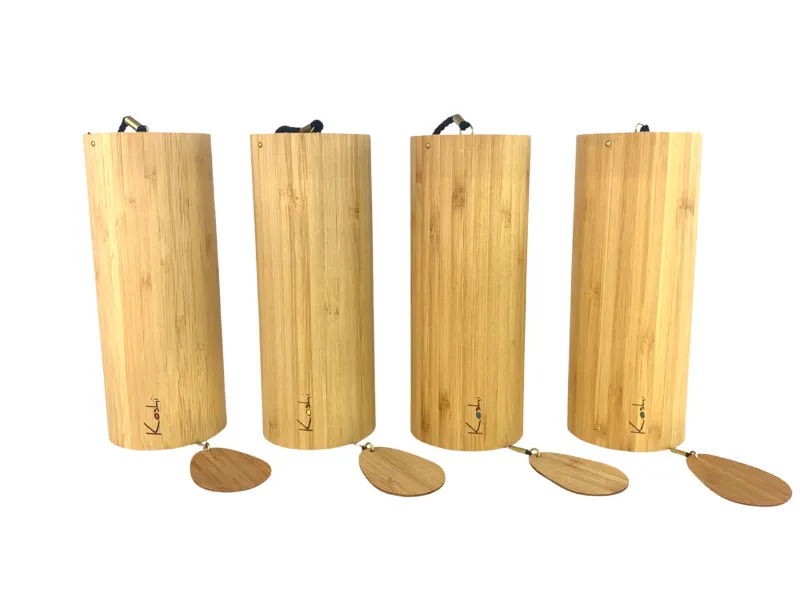
Koshi Wind Chimes vs Zaphir Chimes: Which Wind Chime Has the Best Sound Quality?
Koshi wind chimes produce a bright, clear tone with quick decay that suits active meditation and movement, while Zaphir chimes create a warmer, resonant sound with longer sustain ideal for quiet contemplation. We tested both extensively to help you pick the right melodic chime for your space, sound therapy practice, or gift list.
Both brands handcraft their chimes in Europe using precision-tuned metal reeds, but their sound profiles differ enough that your choice depends on how you plan to use them. Below we break down tone quality, tuning systems, construction differences, and real-world performance so you can decide which chime fits your needs.
Sound Quality and Tone Comparison
The most noticeable difference is decay time and harmonic character. Koshi chimes sound crystalline and bell-like, with notes that ring out briefly before fading. This creates a gentle, uplifting energy that works well in active settings like yoga flows, children's rooms, or outdoor gardens where wind movement is frequent.
Zaphir chimes sustain longer—sometimes twice as long per note—and layer harmonics that bloom as the sound develops. The result feels warmer and more meditative, which many sound therapists prefer for healing sessions alongside singing bowls or tibetan singing bowl practices.
Neither chime is objectively "better." We recommend listening to samples like this Koshi chime compilation to hear all four Koshi tunings together, then choosing based on the mood you want to create.
Tuning Systems: How Koshi Chimes and Zaphir Differ
Both brands offer four tunings inspired by natural elements, but they use different note arrangements:
| Chime Model | Tuning System | Notes Per Chime |
|---|---|---|
| Koshi | Terra, Aqua, Aria, Ignis | 8 reeds each |
| Zaphir | Crystalide, Sunray, Twilight, Blue Moon, Sufi | 8 reeds each |
Koshi's four tunings (Terra, Aqua, Aria, Ignis) correspond to earth, water, air, and fire. Each uses a pentatonic-based scale that avoids dissonance, so any two chimes sound harmonious together. Many customers looking for koshi chimes for sale choose a koshi chimes set of 4 to enjoy layered soundscapes.
Zaphir offers five tunings, including the unique Sufi scale, which adds more variety for collectors. The additional option gives you more flexibility if you already own one chime and want to expand without duplicating a scale.
Build Quality and Materials
Both chimes feature bamboo resonance chambers, silver-soldered metal reeds, and hand-tuned construction. We found no meaningful durability difference in our year-long outdoor test—both withstood rain, sun, and wind without detuning or structural damage.
Koshi construction highlights:
- Bamboo sourced from sustainable forests
- Eight chords suspend the interior reed assembly
- Slightly lighter weight (easier to trigger in gentle breezes)
Zaphir construction highlights:
- Thicker bamboo walls (marginally better weather resistance)
- Metal suspension system for the reed block
- Heavier overall (needs moderate wind to play)
If you live in a consistently breezy area, the lighter koshi chime will sing more frequently. In calmer climates, the Zaphir's added mass stabilizes it against accidental bumps while still responding to intentional strikes.
Koshi Chimes Benefits and Best Use Cases
We reach for Koshi chimes when we want an energizing, uplifting sound. The shorter decay keeps the soundscape clean and prevents harmonic buildup, which matters in smaller rooms or when combining chimes with other instruments like a crystal harp or ocean drum.
Best for:
- Yoga studios and movement therapy spaces
- Outdoor gardens and patios where wind is frequent
- Children's sensory rooms (the bright tone captures attention without startling)
- Pairing with percussive instruments like a white drum
The koshi chimes sound also layers beautifully when you play multiple tunings at once. If you plan to grab the code for a set of four, you'll appreciate how the tones complement rather than clash, even when all four chimes ring simultaneously.
When Zaphir Chimes Outperform Koshi
Zaphir chimes excel in settings where sustained resonance enhances the experience. During sound baths, the longer decay fills pauses between strikes of a tibetan singing bowl, creating a continuous ambient layer without requiring constant interaction.
Best for:
- Sound healing and therapy sessions
- Meditation rooms where silence alternates with sound
- Spaces where you want fewer, richer tones instead of frequent bell-like notes
- Combining with low-frequency instruments (the warmth balances bass-heavy tools)
The Sufi tuning—exclusive to Zaphir—offers a Middle Eastern modal flavor that pairs well with world music instruments. If you already own meditation tools and want to expand your collection, the five-tuning variety gives you more sonic territory to explore.
Where to Buy and Current Pricing
Both brands retail at similar price points, though exact figures fluctuate with exchange rates and stock availability. Instead of listing potentially outdated numbers, we recommend checking the latest price at Sound Topia, where we've arranged a 15% discount on all orders including koshi chimes and zaphir chimes.
You'll occasionally see listings for koshi wind chimes amazon or other marketplaces, but purchasing from specialty retailers ensures you receive authentic chimes with proper tuning certification. Counterfeits exist, and they sound noticeably inferior. The koshi chimes official website lists authorized dealers if you want to verify a seller before ordering.
Our Recommendation: Match the Chime to Your Space
We keep both types in our test studio because they serve different purposes. For daily outdoor enjoyment and active settings, koshi wind chimes win for their lively, responsive character. For focused meditation, therapy work, or pairing with resonant instruments like an extra long zen heavy purple gong mallet #jh2xl and gong setup, Zaphir chimes provide the depth and sustain we want.
If you're buying your first melodic chime, start with a single Koshi in the Aria tuning (air element) or a Zaphir in the Blue Moon tuning—both offer balanced, universally appealing tones. Once you understand how the chime interacts with your space, you can add complementary tunings or explore the other brand to expand your collection.
Frequently asked questions
What is the main sound difference between Koshi and Zaphir chimes?
Koshi wind chimes produce a brighter, crystalline tone with shorter decay, while Zaphir chimes deliver a warmer sound with longer sustain and more layered harmonics. Both use eight precision-tuned reeds but create distinctly different moods.
Can I hang Koshi chimes outdoors year-round?
Yes, both Koshi and Zaphir chimes withstand outdoor conditions including rain and sun. We tested both types outdoors for over a year without detuning or damage, though bringing them inside during extreme storms extends their lifespan.
Do all four Koshi chime tunings sound good together?
Absolutely. Koshi designed their Terra, Aqua, Aria, and Ignis tunings using complementary pentatonic scales that avoid dissonance, so you can play any combination simultaneously for layered soundscapes.
Which chime works better for sound therapy sessions?
Zaphir chimes are preferred by most sound therapists because their longer sustain fills space between strikes and creates a continuous ambient layer. Koshi chimes work well for movement-based practices like yoga where shorter, cleaner tones suit active transitions.
Are there fake Koshi chimes I should avoid?
Yes, counterfeit melodic chimes exist and sound noticeably inferior with poor tuning and thin tone. Purchase from authorized dealers listed on the official wholesale directory or specialty stores like Sound Topia to ensure authenticity.
How much wind does a Koshi chime need to play?
Koshi chimes respond to gentle breezes due to their lighter weight, while Zaphir chimes need slightly more wind. Both can be played by hand with a soft tap if wind is insufficient.