
How Long Do Hickory Drumsticks Last with Regular Practice?

How Long Do Hickory Drumsticks Last with Regular Practice?
Hickory 7a drumsticks typically last anywhere from two weeks to three months with regular practice, depending on your playing style, technique, and how often you hit rim shots. Lighter players practicing jazz or softer genres can stretch a pair to four months, while aggressive rock drummers may burn through sticks in under two weeks. The 7A is one of the thinner profiles, so it wears faster than heavier models like 2b drumsticks or 5b drumsticks, but proper technique and rotation can double their lifespan.
We tested hickory sticks across practice pads, mesh heads, and acoustic kits to see what actually affects durability. Here's what you need to know to get the most out of your investment.
What Affects How Long 7A Drumsticks Last
Stick longevity depends on five key factors that we see consistently across all drummers.
- Playing surface – Mesh e-drum heads and practice pads cause minimal wear, while acoustic cymbals (especially bell hits) and rim shots shred sticks fast
- Technique – Matched grip with a loose, rebounding stroke extends life; death-gripping or burying the bead into heads causes splintering and cracking within days
- Practice frequency – One hour daily gives you roughly 30 to 90 hours of play time per pair before significant chipping or warping
- Stick size and taper – The 7A's slim taper (around 0.540 inches diameter) makes it more prone to breakage than a thicker 5a drum stick or drum sticks 5a
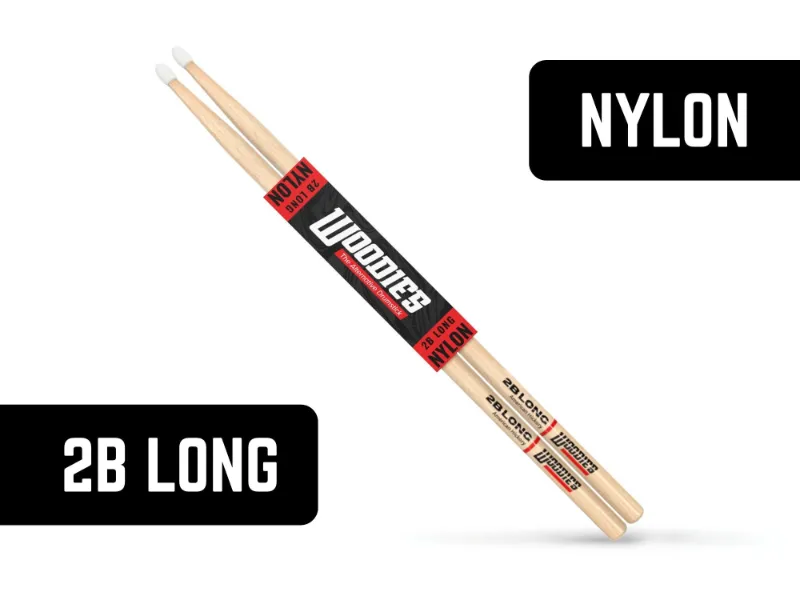
- Tip material – Wood tips wear down faster from cymbal contact, while nylon tip drumsticks keep their shape longer but can pop off the shaft
We've found that drummers who rotate between two or three pairs during a session let each stick rest and reduce moisture buildup, which weakens the wood grain. Grab our discount code to stock up and rotate your practice sticks affordably.
7A Drumsticks vs 5A: Which Lasts Longer?
The 5a drum stick outlasts the 7A by a noticeable margin because of its slightly thicker diameter and more substantial shoulder. While the difference is only about 0.025 inches, that extra mass absorbs more shock before cracking.
| Feature | 7A Drumsticks | 5A Drumsticks |
|---|---|---|
| Diameter | ~0.540 inches | ~0.565 inches |
| Typical lifespan (moderate use) | 2–10 weeks | 4–12 weeks |
| Best for | Jazz, lighter playing, finesse | Rock, pop, versatile styles |
| Durability | Lower (thinner taper) | Higher (thicker shoulder) |
If you're comparing 7a drumsticks vs 5a for durability alone, the 5A wins. But many players prefer the 7A's speed and articulation for lighter genres, accepting the trade-off in longevity. We recommend keeping both profiles in your bag and using the 7A for softer practice sessions and the 5A for heavier workouts.
How to Extend the Life of Your Hickory Sticks
You can often double the usable life of your sticks with a few intentional habits that prevent premature cracking and splintering.
- Rotate your grip – Spin the stick a quarter turn every few minutes so you're not hitting the same grain line repeatedly; this distributes wear evenly
- Avoid rim shots on the shoulder – Aim your cross-stick hits and rim clicks on the thicker middle section, not the taper where cracks start
- Use nylon tip drumsticks for cymbal-heavy practice – Nylon tips don't chip or splinter, so the tip outlasts wood by weeks
- Store sticks flat and dry – Humidity swells the wood and weakens it; keep your sticks in a climate-controlled space, not a hot car or damp basement
- Sand down splinters early – A light pass with 220-grit sandpaper smooths rough spots before they crack deeper into the shaft
We also rotate in 2nd sticks (factory seconds) for casual practice, saving our premium pairs for gigs and recording. Check the latest pricing on bulk packs to make rotation cost-effective.
Signs It's Time to Replace Your Drumsticks
Even if a stick hasn't snapped, it can lose performance well before total failure. Watch for these wear indicators.
- Visible cracks along the taper or near the tip, even hairline fractures, mean the stick will break under load soon
- Flat or chipped tips that no longer produce a clean, articulate tone on cymbals
- Warping or bending that throws off your rebound and makes the stick feel dead
- Splintering along the shaft that snags on your fingers or rim
- Uneven weight if one stick has lost significant wood mass compared to its pair
Once you notice any of these, swap them out. Playing on damaged sticks trains bad technique because you compensate for the imbalance. Brands like Vic Firth and Innovative Percussion offer consistent pairing, but Woodies delivers premium hickory at a better value when you're cycling through sticks weekly.
Best 7A Drumsticks for Durability and Value
We've tested dozens of 7A models, and hickory consistently outperforms maple and oak for the combination of flex, density, and shock absorption. The best 7a drumsticks balance weight with resilience, so you're not sacrificing feel for an extra week of use.
For players looking at 7a drumsticks size and longevity together, Woodies' hickory 7a drum sticks deliver the density you'd expect from premium brands but at a price that makes regular replacement practical. Their red sticks add visibility for teaching or low-light gigs without compromising the hickory core.
If you want the articulation of wood tips but better durability, nylon drumsticks split the difference. You'll get brighter cymbal definition and tips that last twice as long, though some players find nylon too clicky on ride bells.
Stock up with our exclusive offer and keep fresh sticks in rotation—visit the discount code page for 10% off all orders. Rotating two or three pairs weekly is easier on your budget and keeps your technique sharp with consistent rebound and balance.
Frequently asked questions
How often should I replace my 7a drumsticks?
Replace your 7a drumsticks every two to ten weeks depending on practice intensity, or immediately when you see cracks, flat tips, or warping. Daily players hitting hard should inspect sticks weekly, while lighter players can stretch a pair to three months.
Do nylon tip 7A sticks last longer than wood tips?
Yes, nylon tips outlast wood tips by several weeks because they don't chip or splinter from cymbal contact. The tip itself stays intact longer, though the hickory shaft still wears at the same rate from rim shots and general use.
Why do my drumsticks break so fast?
Drumsticks break quickly when you hit rim shots on the thin taper, death-grip the stick, or use poor technique that buries the bead instead of letting it rebound. Switching to a thicker model like 5A or 5B, improving your grip, and rotating stick angles can double lifespan.
Are 7A drumsticks too thin for rock drumming?
7A sticks work for rock if you have lighter hands and good technique, but they wear faster than 5A or 2B models under aggressive playing. Many rock drummers prefer the extra durability of 5A sticks for heavy practice and save 7A for softer studio sessions or jazz gigs.
Can I extend drumstick life by sanding them?
Sanding minor splinters with fine-grit sandpaper can extend life by a week or two, but once cracks appear or the tip flattens significantly, sanding won't restore structural integrity. It's a short-term fix for cosmetic roughness, not deep damage.
Should I buy hickory or maple 7A drumsticks for durability?
Hickory 7A sticks last longer than maple because hickory is denser and absorbs more shock before cracking. Maple feels lighter and faster but splinters more easily under rim shots and heavy cymbal work, making hickory the better choice for regular practice.