
Autoflex Driver Shaft Review Questions: Who Should Consider an Autoflex Golf Shaft?

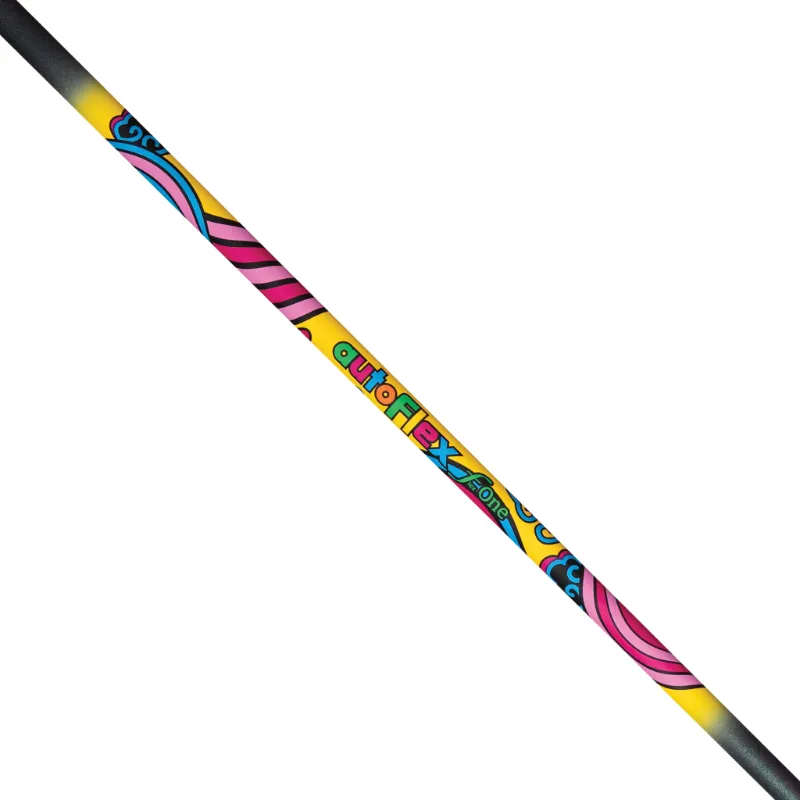
An autoflex driver shaft is worth considering if you want a smoother-feeling driver build that may help you swing freely without forcing a traditional stiff profile. In our view, the right buyer is not simply the fastest swinger; it is the golfer willing to test launch, strike pattern, timing, and dispersion before deciding. The core products to compare are the autoflex driver shaft, the broader Autoflex golf shaft lineup, and fit tools like a shaft flex chart or golf shaft flex calculator.
Who the autoflex driver shaft suits best
The biggest reason golfers look at Autoflex is feel. Traditional golf driver shafts often push players toward stiffer labels as swing speed rises, while Autoflex became known for a softer, more active feel that still aims to return the clubhead consistently. That makes it interesting, but it also makes fitting important.
You are a stronger candidate if:
- You create speed but lose rhythm when a shaft feels boardy.
- You want help launching the driver without feeling like you must swing harder.
- Your current driver has good speed but inconsistent center contact.
- You are open to testing swing weight, length, grip weight, and head weight.
- You judge performance by dispersion and repeatability, not just one long shot.
You may not be the right fit if you dislike any shaft movement during transition, need a very heavy-feeling build, or want a simple flex label to make the decision for you. For a helpful outside perspective on the concept, Plugged In Golf’s Autoflex Shaft Review is worth reading alongside your own fitting data.
Autoflex golf shaft vs traditional golf driver shafts
A standard fitting conversation often starts with regular, stiff, extra stiff, or a numerical label such as 5.5 shaft flex. Autoflex challenges that mindset because the shaft can feel softer than many players expect while still being built for speed and stability. That is why we would not buy only from a printed flex label.
| Option | Best for | Watch-out |
|---|---|---|
| Autoflex golf shaft | Players who want a smoother, more active driver feel | Needs careful build tuning |
| Traditional stiff or X driver shaft | Players who prefer a firm transition feel | Can feel harsh if overfit |
| 5.5 shaft flex style fit | Players between regular and stiff profiles | Label varies by shaft family |
| Iron-focused stiff flex orginal irons | Iron builds, not driver replacement decisions | Driver fitting still needs separate testing |
The practical takeaway is simple: use labels as a starting point, not a verdict. If you are comparing premium golf shafts, the winning shaft is the one that improves strike, launch window, spin consistency, and shot shape under normal swings.
How to use a shaft flex chart without overtrusting it
A shaft flex chart can help you narrow the field, especially if you know your driver carry, club speed, tempo, and typical miss. It cannot tell you everything because shaft performance depends on the clubhead, adapter, build length, grip, swing weight, and how you load the shaft.
A sensible process looks like this:
- Start with your real swing speed range, not your best-ever number.
- Note tempo: smooth, medium, aggressive, or quick from the top.
- Track launch, spin, peak height, and carry with the same ball.
- Compare dispersion patterns, especially left-right spread.
- Re-test after any head weight or length change.
A golf driver shaft flex chart is useful for avoiding obviously wrong categories, while a golf shaft flex calculator can add context if it asks about tempo and transition. Still, neither replaces hitting shots. If you want current availability or need to check the latest Autoflex offer, use our AutoFlex.us code page instead of relying on stale pricing claims.
What to check before buying an Autoflex shaft
Before buying an autoflex shaft, confirm the build details that affect performance. Most buyer disappointment comes from treating the shaft as a drop-in magic fix rather than a component that needs the right setup.
Check these items first:
- Driver head compatibility: Make sure the adapter matches your brand and model.
- Playing length: Longer can add speed, but it can also hurt strike quality.
- Swing weight: A very light or heavy final build can change timing fast.
- Grip choice: Grip weight can noticeably alter how the head feels.
- Return rules: Confirm the store’s terms before testing on-course.
We also recommend comparing your current driver shaft side by side, not from memory. Hit alternating shots, use the same tee height, and remove obvious mishits from the decision only if you remove them for both shafts. For current code details, grab the AutoFlex.us discount code before checkout.
Autoflex driver shaft review questions to ask during testing
The best autoflex driver shaft review is your own controlled test, ideally with launch monitor data and on-course confirmation. Marketing can point you toward a product, but your strike pattern decides whether it stays in the bag.
Ask these questions while testing:
- Does the shaft help you find the center more often?
- Are your good shots better without making your bad shots worse?
- Does the ball start on your intended line?
- Is launch playable in wind, not just impressive indoors?
- Can you swing normally, or are you manipulating the club?
- Does the feel hold up late in the round?
For broader background on the buzz around the technology, GolfWRX’s The 'game-changing' Autoflex shaft: A year in review gives useful context. We would still treat it as context, not proof that every golfer should buy one.
Autoflex driver shaft price, value, and where to buy
For autoflex driver shaft price, we do not publish a static number because pricing, stock, and codes can change. The safer move is to check the latest price and code before you order.
Value depends on what problem you are solving. If your current driver shaft already gives you strong ball speed, tight dispersion, and reliable launch, a new premium option may be more curiosity than need. If your current setup feels harsh, costs you center contact, or makes you steer the club, testing Autoflex makes more sense.
| Buyer type | Is it worth testing? | Why |
|---|---|---|
| Smooth tempo speed player | Yes | Active feel may support rhythm |
| Quick transition player | Maybe | Needs careful timing test |
| Budget-first buyer | Maybe | Compare gains against total build cost |
| Player with poor driver fit | Yes | Shaft and build changes may unlock consistency |
If you are searching for an Autoflex driver shaft for sale, buy through a source that clearly shows product options, adapter details, shipping terms, and code instructions. That reduces the chance of ordering the wrong build or comparing the wrong setup.
Care, setup, and long-term fit notes
Once fitted, treat an Autoflex golf shaft like any other premium graphite shaft. Keep it out of extreme heat when possible, avoid trunk storage for long periods, and inspect the tip and adapter area if the club starts feeling loose or sounding different.
A few practical ownership tips:
- Recheck swing weight if you change the grip.
- Re-test launch if you change driver heads.
- Keep notes on tee height and ball position during testing.
- Do not assume the same profile belongs in every club.
- Compare driver results separately from iron shaft needs.
The autoflex golf shaft may be a strong upgrade for the right player, and the autopower autoflex golf shaft search term often appears when golfers are trying to understand the wider Autoflex family. Our advice is to buy only after you know the build you need, then judge the shaft by repeatable performance rather than the novelty of the feel.
Frequently asked questions
Is an autoflex driver shaft worth it for average golfers?
It can be, especially if your current driver feels too harsh or makes you lose timing. The key is testing dispersion, launch, and strike quality rather than assuming the shaft will fit every swing.
Can I choose an Autoflex golf shaft from a flex chart alone?
No. Flex labels do not translate perfectly across brands or shaft designs, and Autoflex is known for feeling different from many traditional profiles. Use a chart as a starting point, then verify with real shots.
What is the difference between a shaft flex chart and a golf shaft flex calculator?
A shaft flex chart gives a general range based on swing traits, while a calculator may include more inputs like tempo or distance. Both are useful filters, but neither replaces a proper test with your driver head.
Should stiff flex orginal irons guide my driver shaft choice?
Usually, no. Driver shafts and iron shafts solve different fitting problems, so a stiff iron profile does not automatically mean you need the same feel in the driver.
Where should I check Autoflex driver shaft availability and codes?
Check the product options and current offer on the store page before ordering. Make sure you understand adapter compatibility, playing length, and any code instructions before checkout.