
Golf Shaft Uniflex vs Stiff Flex Original Irons: What Buyers Should Know Before Switching

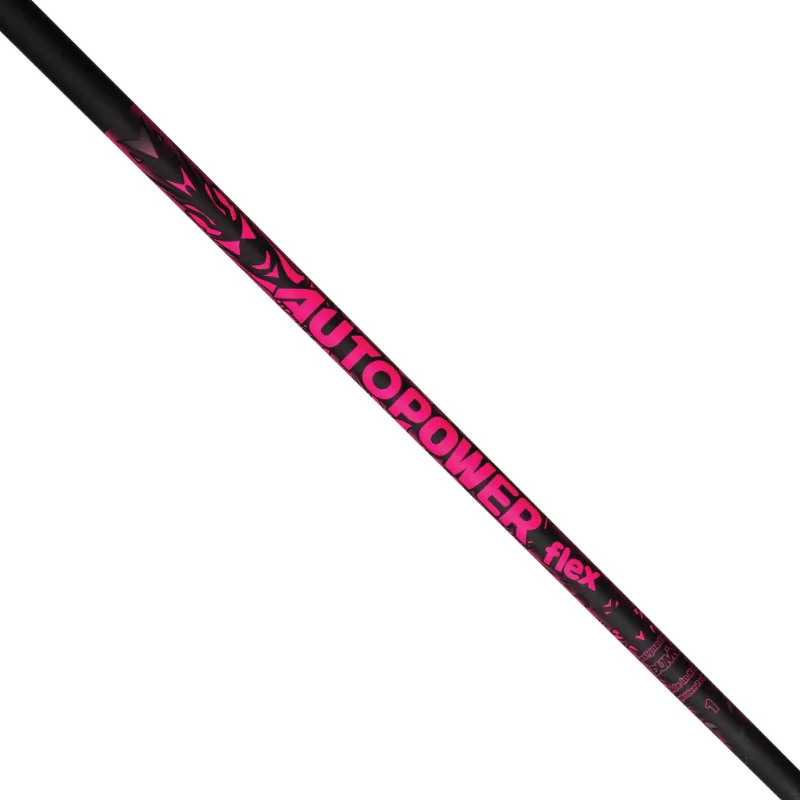
Golf shaft flex matters most when you are deciding whether uniflex or stiff flex original irons will actually fit your swing, because the wrong bend profile can change launch, contact, and face control. For autoFlex.us shoppers, the key question is not just “stiff or uniflex,” but whether tools like a shaft flex chart, fitting guidance, or a modern option such as an autoflex shaft will help you make a cleaner switch. If you are checking current availability or the store’s code, start with the autoFlex.us coupon page to grab the code before you buy.
Golf Shaft Flex Basics for Uniflex and Stiff Irons
Iron shaft flex describes how much the shaft bends during the swing and through impact. A softer profile can help some players launch the ball more easily, while a firmer profile can help stronger or more aggressive swingers keep the clubhead from feeling loose.
Uniflex sits in the middle of the common iron-flex conversation. It is usually designed to serve a broad range of moderate-speed players, especially in stock iron sets. Stiff flex is firmer and typically suits players who load the shaft harder, swing faster, or prefer a tighter feel through transition.
A few important buyer notes:
- Flex labels are not universal: One brand’s stiff can feel different from another brand’s stiff.
- Weight matters too: A lighter stiff shaft may feel easier than a heavier regular or uniflex model.
- Tempo changes fit: Smooth swingers and quick-transition players can need different shafts at the same speed.
- Impact pattern matters: Heel, toe, thin, and heavy strikes can reveal more than swing speed alone.
For background on how vague flex labels can be across brands, Hireko’s explanation of R-flex shafts is a useful reminder that the letter on the shaft is only part of the fit.
Uniflex vs Stiff Flex Original Irons: Practical Differences
If your current irons are uniflex and you are considering stiff flex orginal irons, the biggest changes you may notice are feel, launch, and timing. Stiff shafts often feel more stable for stronger swings, but they can also feel harsh or harder to load if your speed or tempo does not match them.
| Buyer Factor | Uniflex Irons | Stiff Flex Irons |
|---|---|---|
| Typical feel | Easier to load, more neutral | Firmer, tighter through impact |
| Best fit signal | Moderate speed, smooth tempo | Faster speed, stronger transition |
| Possible miss | Higher spin or left/right timing issues | Lower launch, blocks, thin contact if too firm |
| Buying risk | Too general for some players | Too demanding for some players |
Switching makes sense when your uniflex irons feel unstable, balloon shots, or lag behind your hands during transition. It is less likely to help if you already struggle to launch the ball, lose carry, or feel like you have to swing harder just to make the club work.
Before buying, compare your current setup against a golf shaft flex chart and note your real ball flight, not just the flex printed on the label. If you are shopping autoFlex.us and want to see the live store offer first, check the latest price rather than relying on old forum posts or screenshots.
How to Use a Golf Shaft Flex Chart Without Overthinking It
A chart is a starting point, not a verdict. The best use is to narrow the field before testing, especially if you are comparing iron shafts, driver shafts, and specialty options from autoFlex.us.
Use this simple process:
- Start with your 7 iron swing speed: The search term 7 iron swing speed shaft flex exists for a reason, because iron fitting should not rely only on driver speed.
- Check your typical shot window: Low bullets, high floaters, and wipey fades all point to different fitting questions.
- Match flex with weight and profile: Two stiff shafts can feel completely different if one is lighter, softer in the tip, or built with a different balance point.
- Test your normal swing: Do not fit yourself based on the fastest swing you can make once.
- Confirm with contact: Better center strikes usually matter more than chasing a stiffer label.
If you need a product-oriented reference, the golf driver shaft flex chart is useful when you are also comparing driver behavior. Just remember that driver fitting and iron fitting are related, not identical. A player can fit one flex category in irons and a different profile in the driver because length, head weight, and swing intent change the load.
Where AutoFlex Shafts Fit Into the Decision
AutoFlex products are most relevant when you are not simply chasing a traditional stiff label. Many golfers look at an autoflex golf shaft or autoflex driver shaft because they want speed, launch, and a different loading feel from conventional premium golf shafts.
That does not mean every golfer should jump from uniflex irons straight into an AutoFlex-style build. It means the buying question changes from “Which letter is correct?” to “Which shaft profile helps me deliver the club consistently?”
Consider AutoFlex-related options if:
- You want to compare modern premium golf shafts against traditional stock shafts.
- Your current driver feels hard to load, even when the flex label looks right.
- You are exploring golf driver shafts separately from your iron setup.
- You want a lighter or more responsive feel without guessing from flex labels alone.
For driver-specific shoppers, the autoflex driver shaft is the more direct place to look than an iron-flex comparison. If you are deciding between the autopower autoflex golf shaft, an autoflex golf shaft, and traditional stiff iron shafts, use the product pages for compatibility and current details instead of assuming the same rule applies across every club.
When 5.5 Shaft Flex or Stiff Makes More Sense Than Uniflex
Many buyers ask whether 5.5 shaft flex is closer to regular, firm, or stiff. The honest answer is that it depends on the shaft family and how the manufacturer defines that scale. It is often discussed as a middle-ground option, but you should not treat it as a universal conversion.
A firmer iron shaft may make sense when:
- Your uniflex irons launch too high with excess spin.
- You feel the clubhead “kick” unpredictably through impact.
- Your misses get worse when you swing aggressively.
- You have a quick transition and need more handle stability.
- Your fitter or launch monitor data shows better dispersion with a firmer build.
Uniflex may still be better when:
- You have a smoother tempo and moderate speed.
- You need help launching mid and long irons.
- Your best shots happen when the club feels easy to load.
- Stiff test clubs feel boardy or reduce carry.
This is where a golf shaft flex calculator can be helpful, as long as you treat it as a filter rather than a final answer. Use it to choose what to test, then let ball flight, strike quality, and comfort decide.
Buying Checklist Before You Switch Iron Shafts
Before replacing uniflex shafts or ordering stiff flex orginal irons, slow down and check the whole setup. Flex is only one variable, and changing it without checking length, lie, grip size, swing weight, and head design can create a new problem.
Use this buyer checklist:
- Confirm the club type: Irons and drivers load differently, so do not fit both from one chart.
- Compare real swings: Use average swings, not your fastest session.
- Watch the ball flight: Launch, peak height, curve, and carry gaps reveal fit issues.
- Check feel under pressure: A shaft that only works when you swing perfectly may not be the right one.
- Review return and build details: Confirm trimming, adapter, and compatibility on the product page.
- Use the store offer: When you are ready to order, use our autoFlex.us page to get the current code.
If you are still unsure, look at a broader golf shaft flex resource or compare premium golf shafts by feel profile, not just the label. Titleist’s community discussion on understanding shaft flex also reflects a common fitting truth: two players with similar speed can need different shafts because delivery is different.
Bottom Line for Buyers
Do not switch from uniflex to stiff just because stronger players use stiff. Switch because your contact, launch, dispersion, and feel improve with a firmer profile.
For irons, start with your 7 iron speed, normal tempo, and actual ball flight. For autoFlex.us shoppers, separate your iron decision from your driver decision, then compare the relevant AutoFlex product pages and current store offer before buying. A good shaft choice should make your normal swing easier to repeat, not force you to swing harder to justify the label.
Frequently asked questions
Why does golf shaft flex matter when switching irons?
Golf shaft flex matters because it affects how the shaft loads, releases, and feels through impact. For irons, the right flex should support your normal tempo and improve contact, not just match a label on a chart.
Is stiff flex always better than uniflex?
Not automatically. Uniflex can suit moderate-speed players with smooth tempo, while stiff can help players who swing faster or load the shaft harder. The better choice is the one that improves launch, strike, and dispersion.
Can a golf shaft flex calculator pick my iron shafts?
Use a golf shaft flex calculator as a starting filter, then confirm with ball flight and feel. It cannot fully account for tempo, release pattern, strike quality, or the exact shaft model.
Should I choose an autoflex driver shaft if my irons feel too soft?
The autoflex driver shaft is aimed at driver performance, so do not assume it directly replaces an iron shaft decision. Compare driver and iron fitting separately because club length, head weight, and swing intent are different.
What does 5.5 shaft flex mean for buyers?
5.5 shaft flex is often treated as a middle-ground reference, but it is not a universal standard across every brand. Always compare the specific shaft model, weight, and profile before buying.